
Lawn
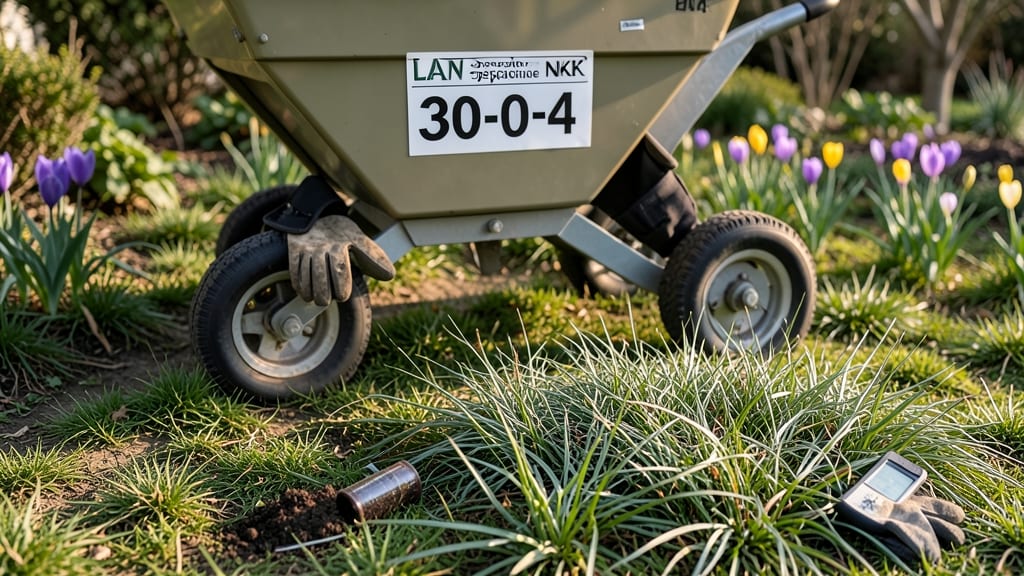
Fertilizing your lawn at the right time means the difference between a vibrant green carpet and a patchy, struggling yard 🌱.
Struggling to decide when to fertilize your lawn? Timing is everything—apply too early or late, and you could waste money while leaving your grass weak and patchy. The right soil temperature and seasonal cues can mean the difference between a lush, green lawn and one that struggles to thrive.
Most lawns need feeding in early spring (after the last frost) to kickstart growth and again in fall to strengthen roots before winter.
But if you live in a warmer zone, summer feeding might be key—just avoid fertilizing when the soil is too hot or cold, or you’ll burn the grass instead of helping it.
Below, I’ll break down the best times to fertilize based on your climate, grass type, and even the temperature of your soil. You’ll learn how to read your lawn’s signals, pick the right fertilizer, and keep it looking its best all year.

Soil temperature guidelines for fertilizing lawns (best times by climate zone)
Getting your lawn fertilization timing right starts with understanding soil temperature. Grass roots absorb nutrients most efficiently when soil sits between 50°F and 65°F.
Below 50°F, microbial activity slows, and above 65°F, nutrients burn tender roots. This range ensures your fertilizer investment delivers maximum results without stressing your lawn.
Northern climates (USDA zones 3-6) typically hit ideal soil temps in early spring (April-May) and fall (September-October). Southern regions (zones 7-10) may fertilize in late winter (February-March) and early fall (August-September) due to milder winters. Always check your local last frost date as a reference point.
| Season | Ideal Soil Temp | Best Time to Fertilize | Climate Zone | Grass Type |
|---|---|---|---|---|
| Early Spring | 50-55°F | After last frost | Zones 3-6 | Cool-season |
| Late Spring | 55-65°F | 6-8 weeks later | Zones 7-10 | Warm-season |
| Fall | 55-65°F | 6-8 weeks before frost | All zones | Both types |
| Summer | Above 65°F | Avoid fertilizing | All zones | N/A |
| Winter | Below 50°F | Dormant season | All zones | N/A |
To test your soil temperature accurately, use a soil thermometer inserted 2-3 inches deep. For a DIY method, push a meat thermometer into the ground and wait 30 seconds for an accurate reading. Early morning (before 10 AM) is the best time to check, as temps fluctuate less then.
For cool-season grasses like Kentucky bluegrass or fescue, focus on early spring and fall applications. These grasses grow actively during cooler months when soil temps are ideal. Warm-season grasses such as Bermuda or Zoysia prefer late spring and early summer fertilization when soil warms up.
If your lawn shows signs of stress after fertilizing, like yellowing or burnt patches, you likely applied too late in the season. Always water your lawn deeply after fertilizing to help nutrients reach the roots. Aim for 1 inch of water over 24 hours to activate the fertilizer properly.
In drought-prone areas, consider using slow-release fertilizers during summer months to avoid stressing the grass. These fertilizers provide nutrients gradually, matching the grass's growth rate. Always adjust your schedule based on local weather patterns rather than rigid calendar dates.
Remember that newly seeded lawns need special attention. Wait until the grass has established roots (typically 4-6 weeks) before applying any fertilizer. Over-fertilizing young grass can lead to burnt patches and weak growth.
For organic lawn care, compost or manure-based fertilizers work best when soil temps are between 50-65°F. These natural options break down more efficiently in the right conditions, providing steady nutrient release for your lawn.
🌱
Seasonal fertilizing schedule: when to apply for year-round lawn health
Fertilizing your lawn at the right time ensures your grass gets the nutrients it needs without wasting resources or risking damage. The key is understanding your grass type—whether it's cool-season or warm-season—and aligning applications with its natural growth cycles.
For most lawns, a 4-step seasonal schedule delivers the best results, with adjustments for drought or new grass.
Cool-season grasses like Kentucky bluegrass and fescue thrive in early spring and fall, while warm-season types such as Bermuda and Zoysia need feeding in late spring and summer.
Slow-release fertilizers extend nutrient availability, while quick-release options provide an immediate boost. Let’s break down the ideal timing for each season to keep your lawn lush year-round.
🌱 Seasonal Fertilizing Timeline
- Early Spring (March-April): Apply slow-release fertilizer after last frost to promote spring green-up. Cool-season grasses need this boost to recover from winter dormancy.
- Late Spring (May-June): Feed warm-season grasses when soil temps reach 65°F+. Use quick-release for a fast nutrient kick, but avoid overfeeding in drought conditions.
- Summer (July-August): Light feeding for established lawns only—skip if drought-stressed. New grass may need a low-nitrogen application to avoid burn.
- Fall (September-October): Final heavy feed 6-8 weeks before first frost to strengthen roots. Cool-season grasses store nutrients for winter survival.
For new grass, delay fertilizing until 4-6 weeks after seeding to avoid shocking tender roots. Established lawns benefit from pre-emergent herbicides in early spring to prevent weeds before fertilizing. Always water deeply after application to activate nutrients and prevent runoff.
Adjust your schedule if your region experiences drought conditions. Skip summer feeding entirely and focus on deep watering instead. In southern climates, warm-season grasses may need a fifth feeding in late fall to extend their growing season.
Slow-release fertilizers are ideal for busy homeowners—they feed your lawn over 6-12 weeks, reducing the need for frequent applications. Quick-release options work well for immediate fixes, like reviving a patchy lawn, but require more careful monitoring to avoid over-fertilization.
By following this seasonal rhythm, you’ll cultivate a thicker, greener lawn with minimal effort. Pay attention to your grass’s growth signals, and don’t hesitate to tweak the schedule based on your local climate. A well-timed feeding can make all the difference! 🌿