
Fertilization
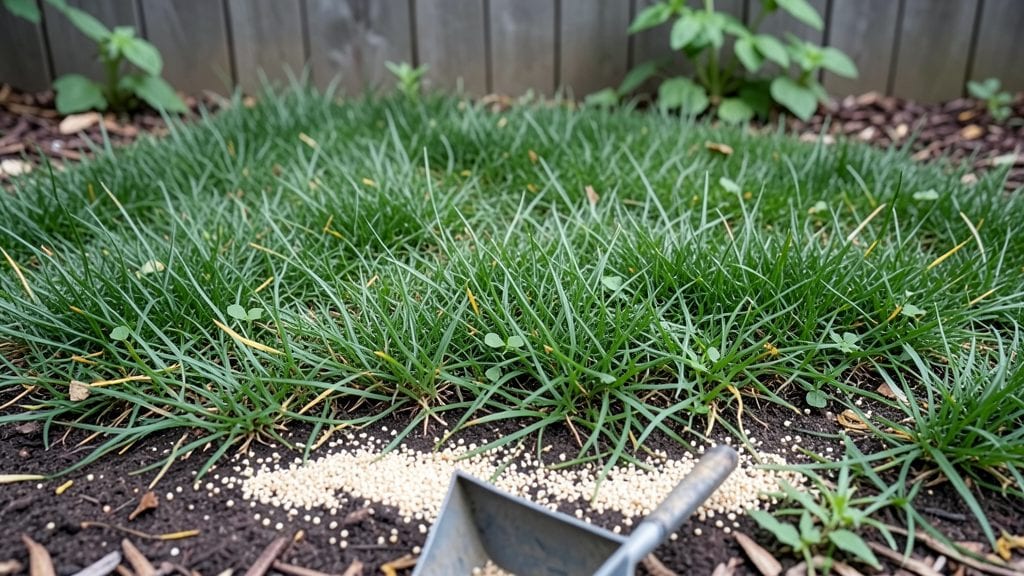
Fertilizing lawn in spring should happen between early March and mid-April, depending on your climate, when soil temperatures reach 50–55°F (10–13°C) and grass begins active growth. Use a slow-release fertilizer with 10-10-10 or 20-5-10 NPK ratio for balanced results, and test soil pH first to avoid over-acidification.
Timing your lawn care isn’t just about the calendar—it’s about catching grass at its most receptive stage. Once soil warms to 50–55°F (10–13°C), beneficial microbes wake up and start breaking down nutrients, while cooler temperatures prevent fertilizer burn.
In colder regions, wait until after the last frost (usually late April), but in warmer zones like Texas or Florida, you might start as early as February—just track your local USDA hardiness zone for precision. 🌱
Pro tip: If your grass looks dull or patchy, it’s already signaling it’s ready for nutrients. But skip fertilizing if your lawn’s still dormant—you’ll waste product and risk runoff.
Always pair application with a soil test to dial in the right NPK ratio; a pH below 6.0 means your fertilizer won’t work as intended, no matter how "balanced" the label claims.
💡 In This Article
- Optimal Soil and Weather Conditions for Spring Lawn Fertilization
- Step-by-Step Spring Lawn Fertilizer Application Guide
Optimal soil and weather conditions for spring lawn fertilization
Here's what's actually happening in your soil when spring arrives: As temperatures climb above 40°F (4°C), soil microbes—especially nitrogen-fixing bacteria—become active again after their winter dormancy. These microbes convert organic matter into plant-available nutrients, but they need 50–55°F (10–13°C) soil temps to work efficiently.
Below this threshold, fertilizer simply sits in the soil, waiting for warmer conditions to activate. 🌱
This microbial awakening explains why early spring applications (before 50°F) often lead to wasted nutrients. The grass roots may be stirring, but the soil ecosystem isn't ready to process the fertilizer yet.
In contrast, actively growing grass—identified by 2–3 inches of new growth—absorbs nutrients 30–50% more efficiently than dormant grass. That's why timing matters so much: You're not just feeding the grass, you're feeding the soil's entire microbial network.
Rainfall plays a critical role too. After application, ½–1 inch of rain within 24 hours is ideal for nutrient absorption, but too much (over 1.5 inches) can cause runoff. In drought-prone areas, consider using a water-retentive fertilizer that binds to soil particles.
The key is balancing moisture—enough to activate nutrients but not so much that it washes them away before the grass can use them.
Regional climate zones shift these windows dramatically. In USDA Zone 5 or colder, wait until after the last frost (typically late April) when soil consistently stays above 50°F for at least 7–10 days.
Meanwhile, in Zone 8+, you might start as early as February—the difference comes from how quickly soil warms. Always check your local USDA Plant Hardiness Map for precise timing.
One common misconception is that "spring" means March everywhere. But in warmer climates, March can still be too cool—think of it like wearing a winter coat in Florida versus Minnesota. The science shows that grass growth rates can vary by 50–100% between these regions for the same calendar month.
That's why soil temperature is the real calendar you should follow, not the date on your planner. ✨
What most people don't realize is how pH affects this entire process. Soil with a pH below 6.0 locks up nitrogen, making even the best fertilizer less effective. That's why testing your soil's pH (ideal range: 6.0–7.0) before applying fertilizer can double your results.
A simple home test kit costs under $10 and takes 10 minutes—far cheaper than buying fertilizer that won't work properly.
For maximum impact, pair your fertilizer application with a ½-inch mowing height adjustment (raise your mower blade to 3–4 inches if you normally cut lower). Taller grass shades the soil, keeping moisture in and encouraging deeper root growth—both of which help the lawn absorb and utilize nutrients more effectively.
This simple tweak can improve nutrient uptake by 20–30% without any extra effort. 💫