
Lawn
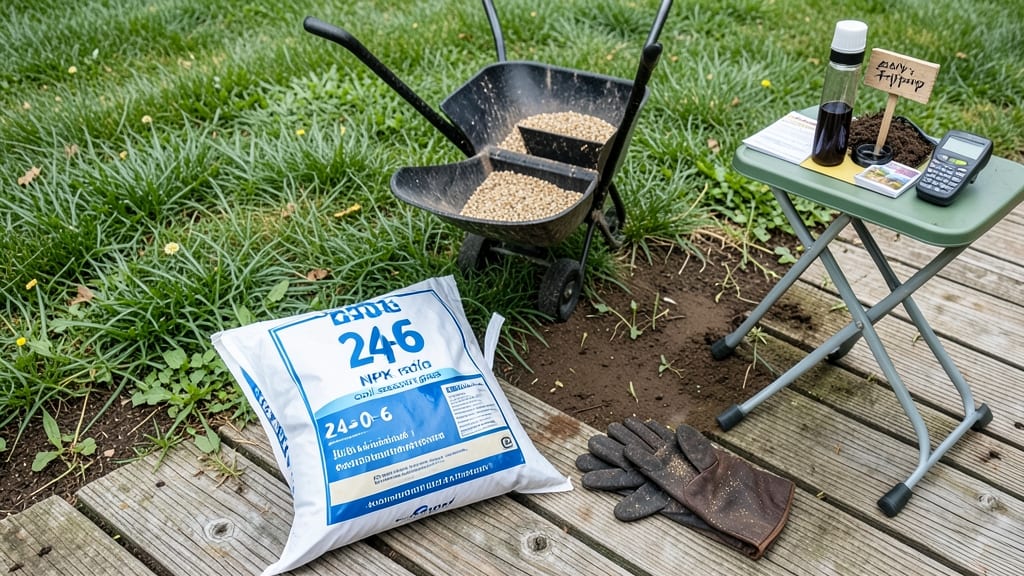
To fertilize lawn in Indiana, time it by grass type: cool-season grasses (like Kentucky bluegrass) need feeding in early spring (March-April), while warm-season grasses (such as Bermuda) thrive with late spring (May-June) applications. Both types benefit from a fall feeding in September-October. Always start with soil testing to adjust pH and nutrient needs before applying fertilizer.
Indiana's climate—with its humid summers and cold winters—means your lawn's needs shift dramatically between seasons. 🌱 Cool-season grasses like fescue and Kentucky bluegrass grow fastest in spring and fall, so fertilizing then gives them the nutrients they crave when they're most active.
Warm-season grasses, on the other hand, wake up in late spring and need a boost to handle summer heat. The key is matching fertilizer types to your grass's growth cycle, not just the calendar.
For example, a slow-release fertilizer in fall helps roots strengthen before winter, while a quick-release blend in spring jumpstarts growth.
Before you even think about fertilizer, test your soil—Indiana's mix of clay, loam, and sandy soils can drastically change how nutrients absorb. Aim for a pH between 6.0 and 7.0, and consider aerating compacted areas to let fertilizer reach the roots.
I always recommend a pre-fertilizer mow at 3-4 inches to reduce stress on the grass, and watering lightly before application helps the nutrients soak in evenly. Pro tip: If your lawn looks dull in spring, it might be nitrogen-deficient—try a 10-0-10 blend to revive it quickly.
💡 In This Article
- Indiana Grass Types and Fertilizing Seasons
- Soil Testing and Pre-Fertilizer Prep for Indiana Lawns
Indiana grass types and fertilizing seasons
Indiana's climate—with its distinct growing seasons—creates a perfect environment for two main grass types, each with unique fertilizer needs. Cool-season grasses like Kentucky bluegrass and tall fescue dominate Indiana lawns because they thrive in moderate temperatures.
These grasses grow most actively when soil temperatures hover around 50-65°F, which typically occurs in March-April and again in September-October. Fertilizing during these periods aligns with their natural growth cycles, giving them the nitrogen boost they need to develop deep roots and vibrant green blades before winter dormancy.
The science behind this timing involves how grass roots absorb nutrients. When soil temperatures are ideal, the grass's root zone is most active, allowing nutrients to move efficiently through the plant.
For example, Kentucky bluegrass roots can extend 4-6 inches deep when conditions are right, but they become dormant below 40°F. Warm-season grasses like Bermuda and zoysia, on the other hand, prefer soil temps above 65°F, which is why their peak growing season shifts to May-June.
These grasses enter dormancy in fall when temps drop below 50°F, so fertilizing in late spring prepares them for summer heat stress.
Indiana's climate zones (USDA zones 5-6) add another layer to timing. Northern Indiana's cooler summers mean warm-season grasses struggle more, while southern Indiana's longer growing season extends the window for both types.
For instance, in zone 6, you might push fall fertilization to early November, while zone 5 areas should wrap up by late October.
The key is watching your grass's color and growth patterns—if it's greening up in spring, that's your cue to fertilize. 🌱 Most lawns need about 0.5-1 pound of nitrogen per 1,000 sq ft per application, but this varies based on soil health.
What most homeowners miss is how fertilizer type affects timing. Slow-release fertilizers work best in fall because they feed roots gradually as they prepare for winter. In spring, quick-release options give an immediate growth boost, but they can burn grass if applied when soil is too cold.
For cool-season grasses, a 24-0-6 blend in spring and 16-4-8 blend in fall is ideal. Warm-season grasses prefer 30-0-4 blends in late spring to build summer resilience.
Here's a practical tip: If you have a mixed lawn, split your applications. Start with cool-season timing in early spring, then shift to warm-season timing as temperatures rise. This staggered approach prevents over-fertilizing one type while neglecting the other.
For example, a March application for Kentucky bluegrass followed by a May boost for Bermuda ensures both grasses get what they need without competition. The visual difference is dramatic—cool-season grasses stay lush through summer, while warm-season types take over as temps climb.
One common mistake is fertilizing when grass is stressed, like during drought or extreme heat. Always check for 1 inch of soil moisture per week before applying fertilizer. In Indiana's humid summers, this means watering deeply 2-3 times per week rather than relying on rainfall alone.
Proper moisture ensures nutrients reach the roots rather than sitting on the surface, where they can burn the grass or wash away. 💧