
Lawn
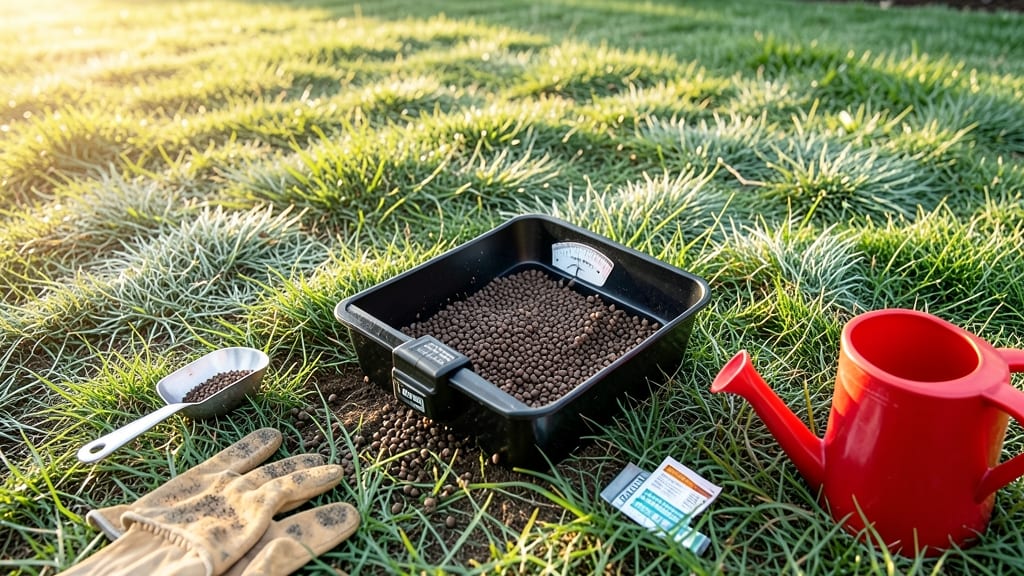
Fertilizing your Kentucky lawn at the right time ensures lush, green grass year-round in 6a-7a zones, but timing is everything—especially with Kentucky Bluegrass 🌱.
Kentucky’s humid summers and unpredictable weather can turn your lawn into a patchwork of brown and green unless you time your fertilizer perfectly. Missing the ideal window by even a few weeks could mean wasted money and stunted grass growth.
Most homeowners fertilize too late in spring or too early in fall, which stresses the grass instead of feeding it. The key is matching soil temperatures to your lawn’s growth cycle—cool-season grasses like Kentucky Bluegrass need feeding when soil hits 50°F in spring and again in early fall.
In this guide, I’ll break down the exact months to fertilize based on soil temperature triggers, the best fertilizer types for Kentucky’s climate, and how to avoid common mistakes that ruin your lawn’s health.

Kentucky lawn fertilization schedule by soil temperature and season
Kentucky’s cool-season grasses like Kentucky Bluegrass and Tall Fescue thrive when fertilized at the right soil temperature triggers, while warm-season grasses like Bermuda and Zoysia need different timing. The key is matching fertilization to when your grass is actively growing—not when it’s dormant or stressed.
For most of Kentucky (USDA Zones 6a-7a), this means aligning applications with soil temps between 50°F and 70°F, depending on the season.
Your lawn’s growth cycle is directly tied to soil temperature, not air temperature. A soil thermometer is your best tool—dig 4 inches deep for accurate readings. Cool-season grasses wake up when soil hits 50°F in early spring, while warm-season grasses need 70°F+ soil to activate.
Missing these windows can lead to burned grass, wasted fertilizer, or slow recovery from Kentucky’s humid summers and freezing winters.
Here’s your Kentucky-specific fertilization schedule, broken down by soil temperature and grass type, to maximize growth and avoid common mistakes like over-fertilizing in heat or skipping fall prep.
| Season | Soil Temp Trigger | Grass Type | Fertilizer Type | Best Timing | Notes |
|---|---|---|---|---|---|
| Early Spring | 50°F (4 inches deep) | Cool-Season (Bluegrass, Fescue) | High-Nitrogen (24-0-5) | Late March–Early April | First feeding after dormancy break |
| Late Spring | 60°F (4 inches deep) | Cool-Season | Balanced (20-5-10) | May–Early June | Peak growth phase; avoid summer heat |
| Summer | 70°F+ (4 inches deep) | Warm-Season (Bermuda, Zoysia) | Slow-Release (16-4-8) | June–July (early morning) | Light feed; water deeply after |
| Late Summer | 65°F (4 inches deep) | Cool-Season (Pre-Winter Prep) | Low-Nitrogen (12-0-0) | Late August | Strengthens roots before frost |
| Fall | 55°F (4 inches deep) | Cool-Season | Winterizer (30-0-4) | October (before first frost) | Encourages deep root growth |
| Winter | Below 40°F | All Grasses | None | Dormant Period | No fertilization; grass is inactive |
For cool-season grasses, the early spring feeding (when soil hits 50°F) is critical. This is when Kentucky Bluegrass and Tall Fescue break dormancy and need high-nitrogen to green up quickly.
Use a 24-0-5 fertilizer and apply it when day lengths lengthen (late March–early April). If you miss this window, your lawn may stay thin and weak all season.
In late spring, when soil warms to 60°F, switch to a balanced fertilizer like 20-5-10. This supports root development and leaf growth without overloading the grass with nitrogen, which can lead to fungal diseases in Kentucky’s humid climate.
Apply this feeding in May or early June, just as the grass enters its fastest growth phase.
Warm-season grasses like Bermuda and Zoysia dominate Kentucky lawns in summer, but they need soil temps above 70°F to activate. Fertilize these grasses in June or July with a slow-release formula (e.g., 16-4-8) to avoid burn from heat stress.
Always apply fertilizer in the early morning and water deeply afterward to help nutrients absorb into the soil.
One of the most overlooked steps is the late summer feeding for cool-season grasses. When soil cools to 65°F in late August, apply a low-nitrogen fertilizer (like 12-0-0) to strengthen roots before winter.
This isn’t about leaf growth—it’s about preparing your lawn to survive Kentucky’s freezing winters and bounce back faster in spring.
The fall fertilization window (October, when soil is 55°F) is your last chance to give cool-season grasses a nutrient boost before dormancy. Use a winterizer fertilizer (e.g., 30-0-4) to encourage deep root growth.
This step is non-negotiable if you want a thick, green lawn next spring—skipping it often leads to thin, patchy grass in early spring.
Never fertilize when soil is below 40°F or above 80°F. In winter, your grass is dormant and won’t use nutrients, while summer heat can burn roots.
Kentucky’s microclimates (like the cooler Bluegrass region vs. the warmer Pennyroyal Plateau) can shift these windows by 1–2 weeks, so always check soil temp before applying fertilizer.
Pro tip: Pair fertilization with proper watering. After applying fertilizer, water your lawn deeply (1 inch) to help nutrients penetrate the soil. In Kentucky’s humid summers, early morning watering (before 10 AM) reduces evaporation and fungal risks.
Avoid fertilizing if rain is forecasted within 48 hours—you’ll just wash away your investment.
Common Kentucky lawn mistakes that ruin fertilizer timing
Timing your lawn fertilizer in Kentucky isn’t just about picking a month—it’s about understanding your soil temperature, grass type, and even your region’s microclimate. Many homeowners make costly mistakes that leave their lawns thin, patchy, or worse.
The most common error? Fertilizing when the grass isn’t ready to use the nutrients, which wastes money and stresses your lawn.
Another frequent mistake is ignoring Kentucky’s two distinct regions: the Bluegrass area in the north and the Pennyroyal plateau in the south. These regions have different soil types and weather patterns, meaning what works in Lexington might fail in Bowling Green.
Even experienced gardeners overlook these differences, leading to uneven growth or fertilizer burn.
Critical Fertilizer Timing Mistakes in Kentucky
- Soil too cold: Fertilizing before 50°F soil temp shocks roots and wastes nutrients.
- Summer nitrogen overload: Applying high-nitrogen fertilizer when temps exceed 85°F causes leaf burn.
- Ignoring microclimates: Northern KY’s Bluegrass region needs earlier spring feeding than southern Pennyroyal areas.
- Missing pre-winter feed: Cool-season grasses need late fall fertilization (Aug-Sept) for winter resilience.
Perhaps the most damaging mistake is fertilizing during summer heatwaves. When temperatures climb above 85°F, grass goes dormant to conserve water, making it impossible to absorb nutrients. That’s why I always wait until late summer—around August—for my final feeding of the year.
This timing helps the grass store energy for winter while avoiding the stress of summer heat.
For cool-season grasses like Kentucky Bluegrass and Tall Fescue, skipping the pre-winter fertilization in late fall is another common error. This single feeding—applied in September or early October—helps roots grow deeper before winter dormancy.
Without it, your lawn weakens and struggles to bounce back in spring. I’ve seen neighbors skip this step only to deal with thin, yellow patches the following April.
Kentucky’s microclimates also play a huge role in timing. In northern Kentucky’s Bluegrass region, where winters are colder and springs arrive earlier, I start fertilizing as soon as soil reaches 50°F—usually by mid-April.
But in southern Kentucky’s Pennyroyal plateau, milder winters mean I wait until late April or early May to avoid shocking the grass with early feeding.
Finally, many homeowners overlook the importance of soil testing before fertilizing. Without knowing your soil’s pH and nutrient levels, you might be applying the wrong type of fertilizer—or way too much.
I always test my soil in early spring and adjust my fertilizer blend accordingly. For example, if my soil is acidic, I’ll add lime before applying nitrogen to prevent root damage.
By avoiding these common mistakes, you’ll save money, protect your lawn, and enjoy a lush, green carpet year after year. The key is paying attention to soil temperature, grass type, and regional differences—not just following a one-size-fits-all calendar. 🌱