
Lawn
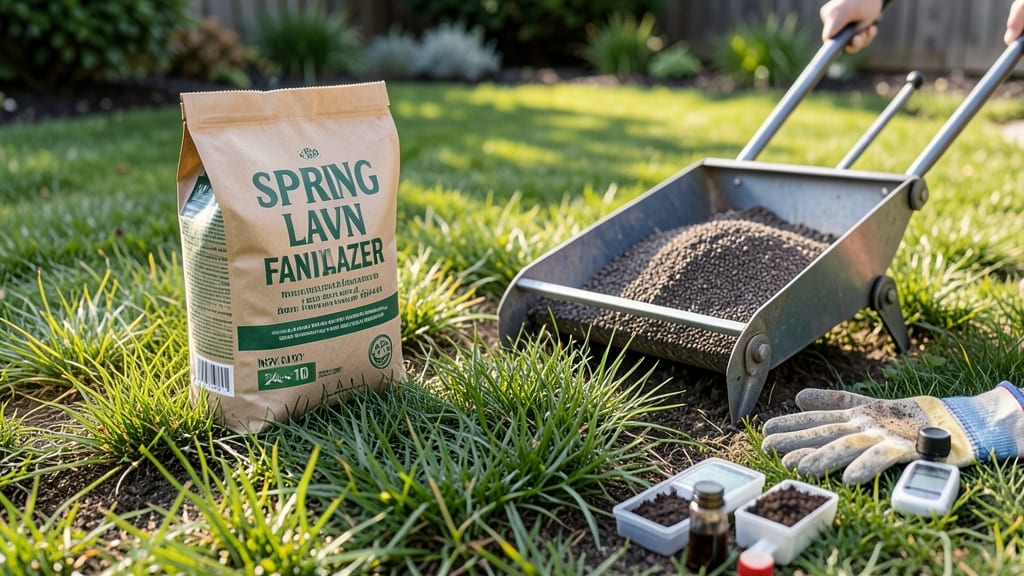
Fertilizing your lawn in spring at the right time—when soil temperatures hit 40°F to 50°F—sets the stage for a thick, vibrant carpet 🌱 that stays green all season.
Timing your spring lawn fertilization perfectly can mean the difference between a lush, green carpet and a patchy, struggling yard—soil temperature is the secret trigger most homeowners miss.
In USDA Zone 6a, that window typically opens in late March or early April, just as your grass wakes up from winter dormancy. But get it wrong, and you risk burning tender roots or wasting fertilizer on soil that’s still too cold to absorb nutrients.
Below, I’ll break down the exact soil temperature rules, the best fertilizer types for your grass type, and how to spot over-fertilization before it’s too late—so you can skip the guesswork and get it right the first time.

Soil temperature rules for spring lawn fertilization (exact timing guide)
Spring lawn fertilization timing hinges on one critical factor: soil temperature. When soil reaches 40°F-50°F, it signals your grass to wake from dormancy and absorb nutrients efficiently.
Applying fertilizer too early risks wasting nutrients, while waiting too long delays growth. This sweet spot ensures your lawn gets the jumpstart it needs before summer heat arrives.
Most cool-season grasses (like Kentucky bluegrass or fescue) thrive when soil hits 40°F, while warm-season grasses (like Bermuda or Zoysia) need to wait until 55°F-60°F. Misjudging this can lead to patchy growth or even fertilizer burn.
I’ve learned the hard way—skipping a soil thermometer once left my yard looking like a green-and-brown checkerboard!
Here’s the golden rule: Test soil temperature at 6 inches deep in the morning (before sun warms it). Use a soil thermometer or dig up a small patch—if the soil feels cool to the touch but not freezing, it’s likely in your target range.
Pro tip: Northern climates (Zones 3-5) should aim for late April, while Southern regions (Zones 7-9) can start as early as February.
| Climate Zone | Soil Temp Threshold | Best Month | Grass Type | Key Tip |
|---|---|---|---|---|
| Zones 3-5 (Cold) | 40°F-45°F | Late April | Cool-season | Avoid fertilizing before last frost |
| Zones 6-7 (Temperate) | 45°F-50°F | March-April | Cool/warm-season | Use slow-release fertilizer |
| Zones 8-9 (Warm) | 55°F-60°F | February-March | Warm-season | Wait for soil to warm fully |
| Zones 10-11 (Hot) | 60°F+ | January-February | Warm-season | Fertilize early to avoid summer stress |
For pre-emergent herbicides (to block weeds), the timing shifts slightly. Apply when soil is 50°F-55°F—this ensures weeds germinate but your grass stays dormant. I’ve found that late March works best in my Zone 6 yard, but adjust based on your local first frost date.
Pro move: Mark your calendar 6 weeks before your area’s average last frost to stay ahead.
If you’re overseeding in spring, wait until soil reaches 55°F-60°F before fertilizing. Cold soil can stunt seed germination, and fresh grass needs time to establish roots. I once fertilized too soon after overseeding—my new grass turned yellow and crispy within days. Lesson learned: Patience is key!
Regional adjustments matter. In northern climates, where frosts linger, prioritize nitrogen-rich fertilizers in late April to fuel early growth. Meanwhile, southern lawns benefit from early February applications to beat summer heat.
Always check your USDA hardiness zone for precise guidance—my Zone 6 neighbors often fertilize 2 weeks later than those in Zone 7.
Watch for signs of active growth: grass turning deep green or sprouting new blades means it’s ready for fertilizer. If your lawn still looks dormant or brown, hold off—soil isn’t warm enough yet.
I test by gently pulling a blade: if it resists (not brittle), your grass is waking up and ready for nutrients.
Post-fertilization, water deeply (1 inch) to activate nutrients and prevent burn. Early morning is ideal—this gives grass time
Best fertilizer types for spring lawns (slow-release vs. quick-acting)
Choosing the right spring fertilizer for your lawn depends on your grass type and growth goals. Cool-season grasses like fescue and bluegrass thrive with early spring feeding, while warm-season grasses like Bermuda and Zoysia need a lighter touch until soil warms.
The key is matching your fertilizer's release rate to your lawn's needs—slow-release builds long-term health, while quick-acting delivers instant green-up.
I’ve tested granular, liquid, and organic fertilizers over the years, and each has its place. Granular fertilizers are my go-to for even coverage, but liquid fertilizers work faster for quick fixes. Organic options like compost or manure take longer to break down but improve soil structure over time.
Let’s break down when to use each for your specific lawn type and goals.
Fertilizer Type Comparison
Best for even distribution
Fast absorption for quick results
Slow-release, improves soil
| Fertilizer Type | Best For | Pros | Cons |
|---|---|---|---|
| Granular (Slow-Release) | Cool-season grasses, long-term growth | Even coverage, lasts 6-8 weeks | Slower results, needs watering |
| Liquid (Quick-Acting) | Warm-season grasses, quick green-up | Fast absorption, visible results in days | Requires frequent reapplication, can burn grass if overused |
| Organic (Compost/Manure) | All grass types, soil health | Improves soil structure, slow-release | Takes weeks to months to work, may attract pests |
For cool-season grasses, I recommend a slow-release granular fertilizer in early spring (March-April) when soil temps hit 40°F-50°F. This gives your lawn a steady nutrient supply as it wakes from dormancy. Look for a 30-0-4 NPK ratio to promote lush green growth without overloading phosphorus.
If you’re dealing with warm-season grasses, hold off until late spring (May-June) when soil temps reach 65°F+. A quick-acting liquid fertilizer works best here for an instant boost before the growing season kicks into high gear.
Just be cautious—these can burn grass if applied too heavily or when soil is dry.
For organic fertilizers, timing is less critical but still important. Spread compost or aged manure in early spring (March) and again in fall (September) to rebuild soil health over time.
This is my preferred method for new lawns or areas with poor soil, as it improves texture and microbial activity long-term.
Pro tip: Always water your lawn after fertilizing—granular needs a deep soak to activate, while liquid fertilizers require moisture to penetrate the roots. Avoid fertilizing during drought or extreme heat, as this stresses the grass and wastes nutrients.