
Lawn
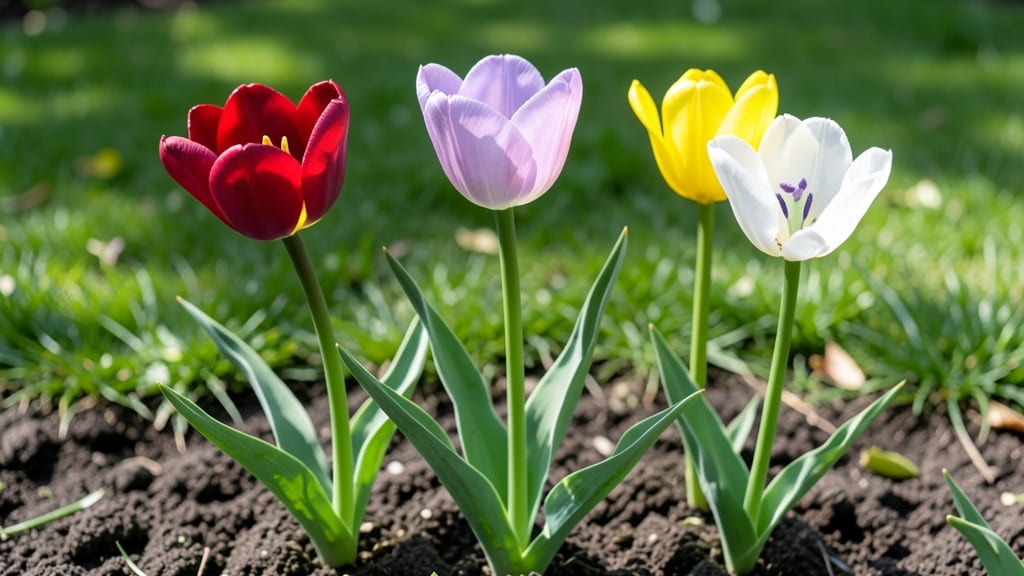
Tulips in lawns turn boring green into a springtime masterpiece without ever breaking out the shovel. 🌸 I’ve seen neighbors drive by and pause mid-car to admire my lawn’s sudden pop of color—no digging, no fuss, just pure curb appeal that lasts for weeks.
The secret is simple: plant the bulbs in the fall, let them naturalize over time, and watch as they multiply into a stunning, low-maintenance display.
You’ll need just three things: tulip bulbs (the larger, the better), a simple bulb planter or even a long screwdriver, and maybe a sprinkle of compost to give them a boost.
Plant them in clusters of 5-7 bulbs every 4-6 inches, and within a few years, you’ll have a carpet of blooms that emerges right through the grass. No weeding, no replanting—just pure, effortless beauty that comes back year after year.
By spring, your lawn transforms into a sea of color—think soft pinks, bold purples, and classic reds—all while keeping the grass underneath healthy and mowed. The bulbs even come back stronger each season, creating a self-sustaining display that requires almost no extra work.
It’s the kind of project that makes you proud to step outside and see your yard turn heads.
Works in any sunny lawn spot, from small front yards to large back gardens. The best part? You can mix varieties for a rainbow effect or stick to one color for a bold statement. Here’s how to make it happen without the digging headache.
📚 In This Guide
- What you need
- Instructions
- Tips and common mistakes
- Wrapping up and next steps
What you need
- ● Tulip bulbs: Choose perennial varieties like Tulipa ‘Darwin Hybrid’ or Tulipa ‘Fosteriana’ for hardiness. Aim for 10–15 bulbs per square foot for a lush look.
- ● Lawn aerator: A manual or motorized core aerator (rent or buy) to create holes for bulbs. 1/2"–3/4" diameter holes work best.
- ● Bulb planter tool: A long, slender bulb planter (like the Fiskars Bulb Planter) to insert bulbs easily.
- ● Compost or bulb fertilizer: A 5-10-10 or 10-10-10 NPK ratio blend (e.g., Espoma Bulb-Tone) to nourish roots.
- ○ Mulch (optional but recommended): 2–3 inches of shredded bark or straw to retain moisture and regulate soil temp.
- ● Garden gloves: Heavy-duty nitrile or leather gloves to protect hands from soil and sharp tools.
- ● Watering can or hose with a gentle spray nozzle: For deep but gentle watering (avoid blasting bulbs).
- ○ String or stakes (optional): To mark planting areas if working in a large lawn.
- ● Knee pad or small stool: For comfort during planting (trust us, your knees will thank you!).
- ● Well-draining soil: Tulips hate soggy roots. Amend clay soil with sand or perlite if needed.
- ● Sunlight: 6+ hours of direct sun daily for best blooms (partial shade tolerates some varieties).
- ● Timing: Plant bulbs in fall (6–8 weeks before first frost) for spring blooms.
- ● Lawn care pause: Avoid mowing or fertilizing heavily 2–3 weeks before/after planting to protect bulbs.
How to plant tulips directly in your lawn for easy spring blooms
Skip the digging and enjoy vibrant tulips year after year with this simple, low-maintenance method.
🌱 Step 1: Choose the Right Tulip Varieties for Lawn Planting
Not all tulips thrive in lawns—select dwarf varieties like 'Tiny Star' or 'Tiny Ruby' that stay compact and won’t get smothered by grass. Avoid tall, top-heavy types like parrot tulips; they flop over easily. I always pick disease-resistant hybrids (look for labels) to prevent fungal issues from damp lawn soil.
Buy bulbs certified for lawn planting—they’re smaller and hardier. Planting too late (after mid-fall) means bulbs won’t root before winter’s chill, so check your zone’s first frost date and aim to plant 4-6 weeks before ground freezes. For most regions, that’s October or early November.
⏰ Step 2: Time Your Planting for Perfect Spring Blooms
Wait until the soil has cooled to 50-60°F—this signals bulbs to start rooting without sprouting too early. Stick a thermometer 2 inches deep in the lawn; if it’s warmer, wait a few days. I test by pressing my finger into the soil—if it feels cool but workable (not muddy), it’s ready.
Plant on a cool, cloudy day to reduce bulb stress. Mark your planting spots with wooden stakes (not metal—they rust) so you don’t accidentally mow them. Space bulbs 4-6 inches apart in rows 8-12 inches apart for easy access later. This spacing lets grass grow between them while keeping blooms visible.
🪴 Step 3: Plant Bulbs Shallow and Mulch Lightly
Dig holes 6 inches deep (shallower than traditional tulips—they’ll smother in deep soil). Place one bulb per hole, pointy end up, and cover with 2 inches of soil. Too-deep planting delays blooms, while too-shallow planting risks frost heave. Gently firm the soil around each bulb to eliminate air pockets.
Spread 1 inch of mulch (straw or shredded leaves) over the area to insulate bulbs from winter temperature swings. Avoid thick mulch—it traps moisture and rots bulbs. Water lightly after planting to settle the soil, but don’t soak it. You’ll see green shoots in early spring—that’s your cue they’re thriving.
☀️ Step 4: Maintain Through Growing Seasons
Let tulips bloom fully (about 2-3 weeks) before deadheading—this encourages next year’s flowers. Snip spent blooms just above the foliage, but leave the leaves until they yellow and wither naturally. This process feeds the bulb for next season. I set a reminder to check weekly in late spring.
Mow high (3 inches) until tulip foliage dies back completely. This prevents scalping the bulbs and keeps grass from shading them. Fertilize once in early fall with a bulb-specific fertilizer (like 5-10-10) to boost next year’s blooms. Avoid spring feeding—it makes bulbs soft and prone to rot.
✂️ Step 5: Protect Bulbs for Long-Term Lawn Success
After foliage dies back, stop watering—bulbs need dry dormancy to store energy. In late summer, apply a thin layer of compost (¼ inch) around the planting area to replenish nutrients without smothering. This is the only time I add organic matter; too much later in the season invites pests.
Watch for squirrels or voles digging up bulbs—scatter gravel or crushed eggshells around the area if you spot disturbances. Over time, your lawn will develop natural gaps where tulips emerge, creating a patchwork of color. If grass grows too thick, spot-treat with a weed killer in early fall (before planting) to thin it out.
Tips & tricks for perfect lawn-integrated tulips
Between us, the secret to tulips that thrive in lawns isn't digging—it's knowing the right timing and care details. Here's what nobody tells you about keeping them blooming year after year.
Soil Temperature Secret: That 50-60°F soil temperature isn't just a suggestion—it's the sweet spot where bulbs start rooting without sprouting too early. I use a cheap soil thermometer buried 2 inches deep, but if you don't have one, press your finger in: it should feel cool but not icy. Planting when soil's too warm means bulbs will wake up prematurely and get damaged by late frosts.
Planting Day Strategy: Cool, cloudy days are your best friend for planting. The shade reduces bulb stress, and the cooler temps help them establish roots faster. I've planted on sunny days before and always noticed slower emergence the following spring. Mark those planting spots with wooden stakes—they're visible from a distance and won't rust like metal ones.
Mulch Matters More Than You Think: That 1-inch layer of mulch isn't just decoration—it's insulation. Too much mulch (over 2 inches) traps moisture and can rot bulbs, while too little leaves them vulnerable to temperature swings. I use straw because it breaks down slowly, but shredded leaves work too. Just avoid anything that compacts down like thick grass clippings.
Post-Bloom Care: Here's what nobody tells you—when you see those green shoots in early spring, that's your cue they're thriving. But don't cut the foliage until it's completely yellow and withered! The leaves are feeding the bulb for next year's blooms. I set a reminder on my phone for 6 weeks after blooming to check the foliage status.
Pro Tips for Tulips In Lawn
- Between us, the secret to tulips that thrive in lawns isn't digging—it's knowing the right timing and care details.
- Soil Temperature Secret: That 50-60°F soil temperature isn't just a suggestion—it's the sweet spot where bulbs start rooting without sprouting too early.
- Planting Day Strategy: Cool, cloudy days are your best friend for planting.
Frequently asked questions
Got questions about adding tulips to your lawn? You’re not alone! Here are answers to the most common queries—so you can enjoy stunning, low-maintenance color without the guesswork.
Can tulips grow in grass year after year?
Most tulips are perennial but struggle in thick grass due to competition for nutrients and sunlight. For long-term blooms, plant them in dedicated beds or use grassy clumps method—grouping 12+ bulbs in a small patch to create a "lawn-friendly" focal point. Learn more about this hack!
When is the best time to plant tulips in a lawn?
Plant bulbs in fall (6–8 weeks before first frost)—typically October to November in most U.S. zones. This gives roots time to establish before winter. Spring planting? Skip it—tulips need cold dormancy to bloom. Pro tip: Mark their location with flags or a garden map to avoid mowing them down!
Will tulips choke out my grass?
Not if you plant strategically! Tulips thrive in well-draining soil with 6+ hours of sunlight daily. To minimize grass competition:
- Plant in small clusters (3–5 bulbs per spot).
- Use a soil knife to loosen grass roots before planting.
- Avoid fertilizing heavily—tulips prefer lean soil.
What’s a good alternative if tulips don’t work in my lawn?
Try these low-maintenance, grass-tolerant bulbs:
Bulb
Color
Bloom Time
Daffodils
Yellow, white, orange
Early spring
Crocuses
Purple, white, yellow
Late winter/early spring
Alliums
Purple, white
Mid-to-late spring
Why aren’t my tulips blooming in the lawn?
Common culprits:
- Too much shade—tulips need sunlight!
- Overwatering—bulbs rot in soggy soil.
- Deer/squirrels digging them up—try chicken wire cages or daffodil companions.
- Old bulbs—tulips decline after 3–5 years; dig up and divide every few years.
Wrapping up and next steps
Adding tulips to your lawn is a game-changer for effortless, year-round beauty—no digging required! 🌸 With the right variety, like Darwin Hybrid or Fosteriana, you’ll enjoy vibrant blooms in spring and even subtle winter interest.
Whether you’re a busy homeowner or a gardening newbie, these perennials bring color with minimal upkeep.
Ready to transform your yard? Start small—plant a few bulbs this fall and watch your lawn bloom with confidence! 🌱 Next step: Grab your tulip bulbs and a trowel, then follow our planting guide for a stress-free, stunning lawn.