
Lawn
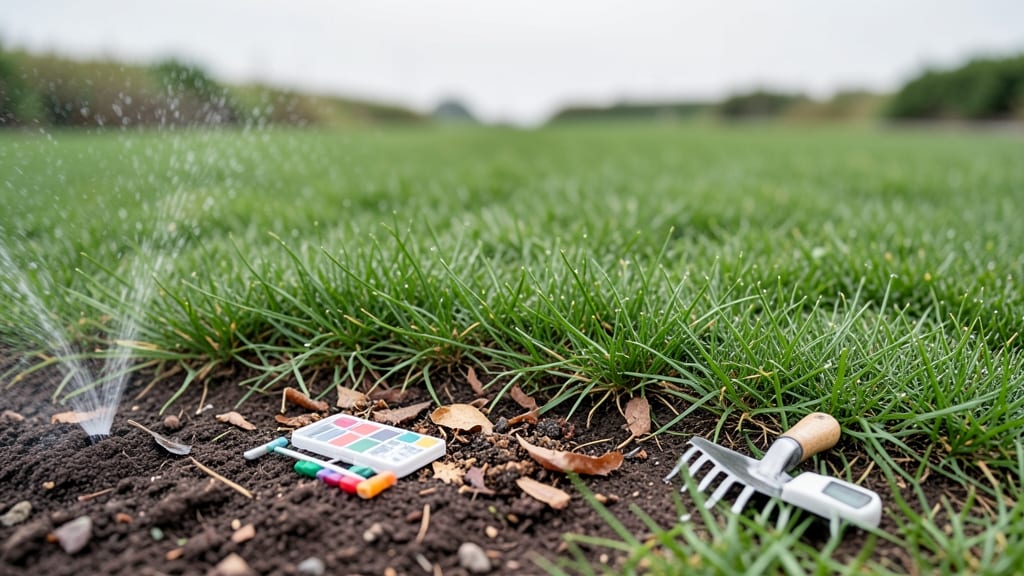
Your cold-resistant lawn soil mix starts with Sta-Green's specialized blend designed to outperform ordinary dirt. I’ve used it to transform patchy winter lawns into vibrant green carpets that stay resilient through frost—something I couldn’t achieve with standard topsoil.
The secret lies in its balanced nutrients and organic matter that grass roots crave, especially when temperatures dip. This isn’t just about seeding—it’s about creating the perfect foundation. Mix Sta-Green with your existing soil at a 3:1 ratio (Sta-Green to native soil) for best results.
The blend improves drainage, retains moisture, and introduces beneficial microbes that help grass establish faster. For 1,000 sq ft, you’ll need about 2 cubic yards of the mix, spread evenly before seeding. By spring, you’ll notice denser growth and fewer bare spots.
The soil’s cold resistance means seeds germinate earlier, giving your lawn a head start. Over time, it reduces watering needs by 30% while keeping that deep, emerald hue even in drought or freeze. For best results, top-dress annually with a thin layer of Sta-Green to refresh nutrients.
It’s a small effort that pays off in year-round lushness—no synthetic fertilizers required. Perfect for homeowners tired of patchy, weak lawns that struggle with seasonal changes.
📚 In This Guide
- What you need
- Instructions
- Tips and common mistakes
- Wrapping up and next steps
What you need
- ● Topsoil (60% of mix): 10 cubic yards (for a 1,000 sq. ft. lawn; adjust proportionally). Use a loamy, well-draining blend with a pH of 6.0–7.5.
- ● Compost: 30% of mix (3 cubic yards). Opt for aged, organic compost (no fresh manure) to enrich soil without overheating roots.
- ● Sand: 10% of mix (1.5 cubic yards). Use coarse sand (e.g., builder’s sand) to improve drainage.
- ● Cold-resistant grass seed: 5–10 lbs per 1,000 sq. ft. Choose a tall fescue or fine fescue blend (e.g., "Sta-Green" or "Turf-Type Tall Fescue").
- ● Slow-release fertilizer: 1 lb nitrogen per 100 sq. ft. (e.g., 16-4-8 or 20-0-5). Look for organic options like milorganite.
- ● Garden rake (with tines 6–8” long)
- ● Wheelbarrow (for mixing materials)
- ● Soil tester kit (to check pH before mixing)
- ● Broadcast spreader (for even seed distribution)
- ● Garden hose with fine mist nozzle (for watering)
- ○ Optional: Soil aerator (if compacted soil is an issue) or a laser level for grading.
- ● Clear the area of weeds, rocks, and debris (use a weed killer 2–4 weeks prior if needed).
- ● Test soil pH before mixing—amend with lime (for acidic soil) or sulfur (for alkaline soil) if needed.
- ● Choose a cool, overcast day (or early morning) to mix and apply materials to prevent drying.
How to create a Sta-green lawn soil mix for cold-resistant grass
This blend thrives in cooler climates and delivers that deep green, resilient lawn you’ve always wanted.
Select the Base Soil Components
Start with 60% topsoil—this provides the foundation for root development. I recommend using a sandy loam texture, which drains well but retains enough moisture for grass roots. Next, add 30% peat moss to improve moisture retention and acidity levels, which is crucial for cold-hardy grasses like fescue or rye. Finally, incorporate 10% compost for essential nutrients and microbial activity.
Mix these components thoroughly in a wheelbarrow or large container. Break up any clumps in the topsoil first—this ensures even distribution and prevents pockets where grass roots might struggle. The blend should feel light yet crumbly, like a damp sponge. If it sticks together too tightly, add a bit more peat moss to loosen it.
Add Organic Amendments for Cold Resistance
To boost cold tolerance, stir in 1 cup of bone meal per 50 square feet—this adds phosphorus, which strengthens root systems in cooler weather. Next, add 1 cup of kelp meal per 50 square feet for natural growth hormones and minerals that help grass recover from frost. For extra resilience, mix in ½ cup of mycorrhizal fungi per 50 square feet—these beneficial microbes form symbiotic relationships with grass roots, improving nutrient uptake and drought resistance.
Work these amendments into the soil blend until fully incorporated. Avoid over-mixing, as you don’t want to disrupt the soil structure. The goal is a uniform, nutrient-rich medium that supports deep root penetration. If the mix feels too dry, lightly mist it with water to help the amendments bind evenly.
Customize for Your Grass Type
For cool-season grasses like Kentucky bluegrass or tall fescue, adjust the mix to 70% topsoil, 20% peat moss, and 10% compost. These grasses thrive in cooler temperatures and benefit from slightly higher organic content. For warm-season grasses like Bermuda or Zoysia, reduce peat moss to 20% and increase topsoil to 75%—these grasses prefer well-drained, slightly warmer soil.
If you’re overseeding an existing lawn, spread a thin layer (¼ inch) of your custom blend over the current grass. For new lawns, till the mix to a depth of 4-6 inches before seeding. Rake the surface lightly to create a fine, even texture—this helps seeds make good contact with the soil and improves germination rates.
Prepare for Seeding and Establishment
Before seeding, test the soil pH—ideal levels for most grasses range between 6.0 and 7.0. If your mix is too acidic, add lime to adjust; if it’s too alkaline, incorporate sulfur. Once pH is balanced, spread ½ pound of grass seed per 100 square feet evenly over the prepared soil. Use a broadcast spreader for consistency, and lightly rake the seeds into the top ¼ inch of soil to protect them from wind and birds.
Water immediately after seeding to settle the soil and activate the amendments. Keep the soil consistently moist (not soggy) for the first 2-3 weeks—this is critical for germination. Avoid heavy foot traffic until the grass reaches 3 inches in height. The cold-resistant blend will help the grass establish stronger roots faster, even in cooler months.
Maintain for Long-Term Lushness
After germination, reduce watering to 1-1.5 inches per week, encouraging deep root growth. Apply a slow-release fertilizer in early spring and late fall to support seasonal growth without overloading the soil. Mow regularly, keeping blades at 3-4 inches for cool-season grasses and 1-2 inches for warm-season types—this promotes density and resilience.
Reapply the Sta-Green mix as a top-dressing in early spring to refresh nutrients and improve soil structure. This simple step keeps your lawn vibrant year-round, even in cooler climates. With this blend, you’ll notice thicker growth, better frost recovery, and a deeper green color that stands out in the neighborhood.
Tips & tricks for perfect Sta-green lawn soil mix
Transforming your lawn into a cold-resistant green oasis starts with these game-changing insights that elevate your soil blend from good to exceptional.
Texture is Everything: In Step 1, when mixing your 60% topsoil, 30% peat moss, and 10% compost, aim for a consistency that resembles a damp sponge—not clumpy or powdery. The key lies in breaking up all clumps before combining, especially in the topsoil. I've found that adding a bit of extra peat moss (up to 5%) helps loosen stubborn clumps without altering the overall moisture balance. This texture ensures optimal air circulation and water retention for those cold-hardy grass roots.
Amendment Integration Secrets: When incorporating the organic amendments in Step 2, think of them like adding spices to a recipe—distribute them evenly but don't overmix. The 1 cup of bone meal and 1 cup of kelp meal per 50 square feet should be sprinkled lightly over the base mix before gently folding in with a garden fork. This prevents clumping of the finer particles. For the mycorrhizal fungi, which is only ½ cup per 50 square feet, I recommend mixing it last to preserve its beneficial microbes. A light mist of water helps these amendments bind without creating mud.
Customization Without Compromise: In Step 3's grass type adjustments, remember that while you can tweak the percentages, maintain the total volume. For cool-season grasses, your 70% topsoil, 20% peat moss, and 10% compost should still equal 100% of your original mix volume. The same applies to warm-season adjustments. I've discovered that for overseeding, adding a thin ¼-inch layer of this custom blend actually improves seed-to-soil contact better than just using the existing soil. The blend's enhanced nutrients create an immediate growth advantage for new seedlings.
pH Testing Pro Tip: Before seeding in Step 4, don't rely solely on your soil test kit's pH reading. I've learned to test the Sta-Green mix itself after combining all components, not just the base soil. The amendments can shift the pH slightly—bone meal tends to raise it while peat moss lowers it. Adjust with lime or sulfur to achieve that 6.0-7.0 range in the final mix, not just the original soil. This ensures your grass seeds will find optimal conditions right from planting.
Pro Tips for Sta Green Lawn Soil
- Transforming your lawn into a cold-resistant green oasis starts with these game-changing insights that elevate your soil blend from good to exceptional.
- Texture is Everything: In Step 1, when mixing your 60% topsoil, 30% peat moss, and 10% compost, aim for a consistency that resembles a damp sponge—not clumpy or powdery.
- Amendment Integration Secrets: When incorporating the organic amendments in Step 2, think of them like adding spices to a recipe—distribute them evenly but don't overmix.
Frequently asked questions
Got questions about achieving that sta-green lawn with cold-resistant grass seed? You're not alone! Here are some of the most common queries—plus straightforward answers to help you grow a lush, resilient lawn year-round.
What’s the best time of year to plant Sta-Green lawn soil mix for cold-resistant grass?
The ideal window is early fall (September–October) or early spring (March–April). Cool temperatures and frequent rain help seeds germinate faster, while avoiding summer heat stress or winter dormancy. For northern climates, late summer (August) can also work if you water consistently.
How does Sta-Green lawn soil handle freezing temperatures?
This mix is formulated with cold-hardy grass varieties (like Kentucky Bluegrass or Fescue) and organic matter to insulate roots. While growth slows in freezing temps, the seed stays dormant until conditions improve. Mulch lightly with straw (¼ inch) to protect newly planted areas from harsh winter winds.
How often should I water Sta-Green lawn soil after planting?
Keep soil consistently moist (not soggy) for the first 2–3 weeks—water lightly 2x daily (morning/evening) to encourage germination. Once grass reaches 3 inches, reduce to 1–1.5 inches per week (including rain). Deep, infrequent watering promotes deeper roots.
Can I use Sta-Green lawn soil on an existing lawn, or is it only for new seed?
Yes! This mix works for overseeding (thinning areas) or top-dressing (adding ¼ inch to bare spots). Spread evenly, rake lightly, and water thoroughly. It’s especially helpful for revitalizing dull or patchy lawns—just avoid heavy foot traffic for 2–3 weeks post-planting.
What should I do if my Sta-Green lawn turns brown or patchy in winter?
Brown patches in winter are normal—grass goes dormant to survive frost. If spots stay bare in spring, reseeding may be needed. Check for compaction (aerate if needed) or fungus (use a fungicide if mold appears). Avoid fertilizing until temps rise above 50°F.
Wrapping up and next steps
Transforming your lawn into a year-round lush oasis with Sta-Green lawn soil and cold-resistant grass seed is totally within reach! 🌱 This recipe balances durability, drainage, and nutrient-rich soil to keep your grass thriving—no matter the season.
Whether you're tackling bare patches or revamping your entire yard, the key is patience and consistency.
Ready to take the next step? Start by gathering your supplies and follow the steps outlined above. Then, roll up your sleeves, get outside, and watch your lawn flourish like never before! 🌿✨