
Lawn
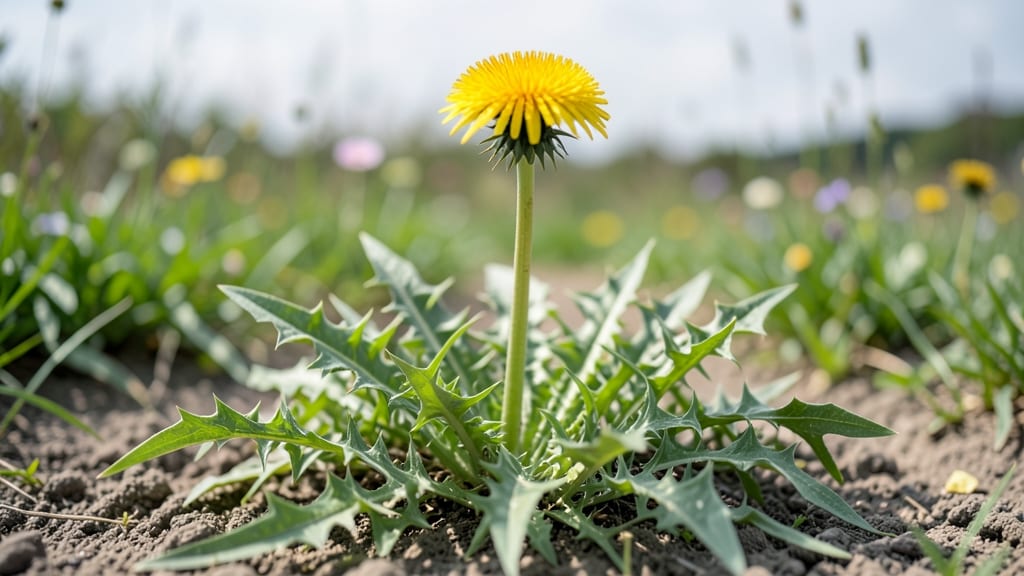
That stubborn tiny yellow flower weed in lawn with its bright face popping up in your grass is actually a resilient survivalist. 🌱 I’ve spent years pulling them by the roots, only to watch new ones sprout weeks later—until I learned the right approach.
This guide cuts through the guesswork so you can identify those tiny yellow invaders and tackle them for good, without harsh chemicals. Most people mistake dandelions for just weeds, but they’re actually edible and even beneficial for pollinators.
The real issue is their deep taproots and rapid spread, which choke out grass. You’ll learn to spot them early (look for those jagged leaves and single yellow blooms) and use targeted removal methods that actually work—no more wasting time on half-pulls that leave roots behind.
By the end, your lawn will stay green and dense, with fewer surprises popping up next spring. The secret? A mix of manual removal, organic treatments, and smart prevention. Let’s get those dandelions under control once and for all—without turning your yard into a chemical battlefield.
The first step is confirming what you’re dealing with—dandelions aren’t the only culprits. Chickweed and clover also sport tiny yellow flowers, but their leaves and growth habits differ. Dandelions have deeply lobed leaves and grow in rosettes, while clover forms low, spreading mats.
Knowing the difference helps you choose the right removal method for each. Once you’ve ID’d them, manual removal is often the most effective. Grab a dandelion digger or even a screwdriver to pull roots clean—no half-measures.
For larger patches, organic herbicides like vinegar-based sprays (applied carefully) can help, but timing matters. Early spring or fall, when weeds are actively growing, is the best window to strike.
Prevention starts with a healthy lawn. Thick, well-watered grass leaves no room for weeds to take hold. Overseed bare spots, adjust your mower height (taller grass shades out weeds), and consider a light layer of mulch in high-traffic areas.
A little effort now means fewer dandelions popping up later—and a lawn that actually looks like it belongs in a postcard.
Root Causes Of Lawn Invaders
If your lawn is suddenly dotted with tiny yellow flowers that look like weeds, you’re likely dealing with one of nature’s most persistent (and beautiful) intruders. But why do these little yellow blooms keep popping up?
The answer lies in a mix of environmental factors, lawn care habits, and the weeds’ own survival strategies. Let’s break down the science behind their unwelcome arrival.
Weeds like dandelions thrive in lawns where the soil is compacted, nutrient-poor, or lacks proper aeration. Here’s why:
- Compacted Soil: Heavy foot traffic, machinery, or clay-heavy soil compresses the ground, reducing oxygen and water penetration. Dandelions, with their deep taproots, exploit these gaps to establish themselves in weak spots where grass struggles to grow.
- Low Nutrients: If your lawn isn’t regularly fertilized, weeds fill the void. Dandelions are nitrogen-loving—they absorb excess nutrients faster than grass, making them the first to bloom when soil fertility drops.
- pH Imbalance: Soil that’s too acidic (pH < 6.0) or alkaline (pH > 7.5) stunts grass growth but suits weeds. Dandelions prefer slightly acidic to neutral soil (pH 6.0–7.0), giving them an edge in marginal conditions.
💡 Pro Tip: Test your soil’s pH and nutrient levels annually. Amend with compost or lime (for acidity) to crowd out weeds before they sprout.
Watering habits play a bigger role in weed growth than most homeowners realize. Tiny yellow-flowered weeds often signal one of these irrigation issues:
- Excessive Watering: Overwatering washes away nutrients, dilutes soil chemistry, and creates moist pockets where weed seeds germinate. Dandelions, in particular, thrive in intermittently wet soil—think sprinklers that run too long or too frequently.
- Drought Followed by Sudden Moisture: Weeds like dandelions are drought-tolerant but explode in growth when rain or irrigation returns. Their seeds lie dormant until conditions improve, making them resilient to dry spells.
- Uneven Water Distribution: Sprinkler heads that miss spots or water at low pressure leave dry patches. Grass recovers slowly, but weeds seize the opportunity to take root.
🔥 Action Step: Water deeply but infrequently (1–1.5 inches per week) and adjust sprinklers to deliver even coverage. Early morning watering reduces evaporation and fungal risks.
A thick, healthy lawn is the best defense against weeds. When grass thins out—whether from disease, pests, or poor maintenance—weeds move in. Here’s how it happens:
- Thatch Buildup: A layer of dead grass (>0.5 inches) blocks water and nutrients from reaching roots. Weeds sprout through the gaps because their shallow roots don’t compete for the same resources.
- Disease or Pest Damage: Fungal infections (like brown patch) or grubs munching on roots create bare spots. Dandelions and similar weeds fill these gaps within weeks.
- Improper Mowing: Cutting grass too short (<2 inches) stresses it, while leaving it too tall (>4 inches) shades the soil and encourages weed seeds to germinate. The sweet spot? 3–4 inches for most lawns.
🌡️ Maintenance Check: Overseed bare patches in fall, aerate compacted soil, and mow at the right height to smother weeds before they start.
Tiny yellow-flowered weeds don’t just appear—they hitchhike into your lawn. Their seeds travel via:
- Wind: Dandelion seeds (and others like chickweed) have parachute-like structures that carry them miles. A single plant can produce 100+ seeds, ensuring widespread colonization.
- Animals: Birds, squirrels, and even pets spread seeds in their fur or droppings. A bird’s digestive tract can pass viable seeds intact!
- Human Activity: Tools, shoes, and even garden hoses can transport seeds from one yard to another. That “clean” rake might be carrying a stash of weed seeds.
✨ Prevention Tip: Inspect tools and shoes after use in infested areas, and avoid walking on lawns when seeds are ripe (early spring/fall).
Understanding these causes is half the battle. The other half? Taking targeted action to starve weeds of the conditions they love. Next up: How to identify and remove these persistent little yellow blooms without harsh chemicals.
Eradicating Tiny Yellow Blooms Naturally
Those cheerful but pesky tiny yellow flower weeds popping up in your lawn don’t stand a chance with the right approach. The good news? You can tackle them effectively—without harsh chemicals—by targeting the root cause.
Below, we’ve mapped out practical solutions based on why these weeds appear, from soil imbalances to seasonal triggers, plus prevention tips to keep your lawn lush and weed-free.
Weeds thrive where grass struggles. If your lawn is sparse or shaded, yellow-flowered invaders like dandelions and chickweed seize the opportunity. Here’s how to reclaim your turf:
🔥 Step 1: Mow High and Often
- Set your mower to 3–4 inches to shade out weeds and strengthen grass roots.
- Never cut more than ⅓ of the grass blade at once—this stresses the lawn and invites weeds.
- Pro Tip: 💡 Mow in different patterns weekly to prevent soil compaction and encourage even growth.
🍳 Step 2: Overseed Bare Spots
- When: Early fall (ideal for cool-season grasses) or late spring.
- How: Rake thin areas, spread high-quality grass seed, and top with a thin layer of compost.
- Grass Types to Try: Kentucky bluegrass, fescue, or ryegrass outcompete weeds naturally.
👨🍳 Step 3: Fertilize Smartly
- Test your soil first (DIY kits are cheap and easy). Weeds often signal low nitrogen or phosphorus.
- Apply a balanced fertilizer (10-10-10) in early spring and fall. Avoid over-fertilizing—it burns grass and leaves room for weeds.
- Organic Boost: 🌡️ Spread compost or bone meal to improve soil health without synthetic chemicals.
Yellow-flowered weeds like creeping Charlie and buttercups love compacted or waterlogged soil. Break the cycle with these fixes:
🔪 Step 1: Aerate Your Lawn
- When: Late spring or early fall, after a light rain.
- How: Rent a core aerator (or hire a pro) to pull small soil plugs, relieving compaction.
- DIY Hack: 🎯 Use a garden fork to poke holes in tight spots if aerating isn’t an option.
🥘 Step 2: Improve Drainage
- For Low Spots: Rake sand or composted peat moss into hollows to raise the grade.
- For Clay Soil: Mix in perlite or coarse sand (1 part amendment to 3 parts soil) to improve drainage.
- Prevention: 💡 Install a French drain if water pools persistently after rain.
🌿 Step 3: Add Organic Matter
- Spread a ¼-inch layer of compost over the lawn and lightly rake in.
- Best Time: Early spring or fall, before seeding.
- Avoid: Fresh manure—it can burn grass and attract pests.
Some tiny yellow bloomers (like henbit or speedwell) peak in spring or fall. Stay ahead with seasonal tweaks:
⏰ Spring Prep (March–May)
- Pre-Emergent Herbicide (Optional): Apply corn gluten meal (natural) in early spring to block weed seeds.
- Hand-Pull: 🔥 Target weeds before they flower (pull entire roots to prevent regrowth).
- Water Deeply: Encourage deep grass roots with 1–1.5 inches of water per week (early morning is best).
🍂 Fall Maintenance (September–November)
- Aerate + Overseed: Combine these steps for a weed-proof spring.
- Leaf Cleanup: 🎯 Rake fallen leaves—thick mats smother grass and trap moisture, inviting weeds.
- Final Fertilizer: Apply a slow-release, low-nitrogen fertilizer to strengthen grass before winter.
An ounce of prevention beats a pound of pulling. Lock in these habits:
- Mulch Properly: Use straw or wood chips around garden edges to block weed seeds.
- Walk on Paths: 🌡️ Compact soil in high-traffic areas to deter weed growth.
- Dethatch Annually: Remove thatch (dead grass layer) with a lawn rake to improve air and water flow.
- Encourage Beneficial Insects: 🐞 Ladybugs and ground beetles eat weed seeds—plant clover or marigolds to attract them.
- Vinegar Spray (Spot Treatment): Mix 1 gallon white vinegar + 1 oz dish soap in a spray bottle. Test on a small area first—it kills weeds but may harm grass if overused.
With consistent care, your lawn will crowd out those tiny yellow troublemakers naturally. Start with one or two fixes this season, and watch your grass reclaim its space—without the weeds!
Frequently asked questions
How can I tell if my tiny yellow flowers are dandelions or something else?
Dandelions have deeply lobed, jagged leaves growing in a rosette pattern and produce a single bright yellow flower on a leafless stem. Chickweed has small, oval leaves with tiny yellow flowers on stems, while clover forms low, spreading mats with three-leaf clusters. Pro tip: Check the leaf shape and growth habit—dandelions stand alone, while clover creates dense ground cover.
Why do these weeds keep coming back even after I pull them?
Dandelions and similar weeds have deep taproots that store nutrients, allowing them to regrow from tiny root fragments. Always pull the entire root (use a dandelion digger or screwdriver) and avoid breaking the stem. For stubborn patches, try spot-treating with a vinegar solution (1 gallon vinegar + 1 oz dish soap) in late afternoon to minimize grass damage.
Is it safe to use vinegar to kill these weeds?
Yes, but use it carefully! A mix of 1 gallon white vinegar + 1 oz dish soap works best on sunny days when temperatures are above 50°F. Spray directly on weeds (avoid grass) and reapply after rain. For large areas, consider corn gluten meal as a natural pre-emergent in early spring. Always test a small patch first to check for grass sensitivity.
When is the best time of year to tackle these weeds?
Early spring (March-April) or fall (September-October) are ideal because weeds are actively growing while grass recovers quickly. Avoid treating in summer heat or winter dormancy. For best results, combine hand-pulling with overseeding to fill bare spots—this prevents regrowth by crowding out weeds with healthy grass.
Will these weeds harm my lawn or garden?
While they don't directly harm plants, they compete for water, nutrients, and sunlight, weakening your lawn. Some (like clover) can actually improve soil nitrogen, but most yellow-flowered weeds spread aggressively. The real risk is their deep roots disrupting soil structure—removing them prevents long-term damage to your grass's root system.