
Lawn
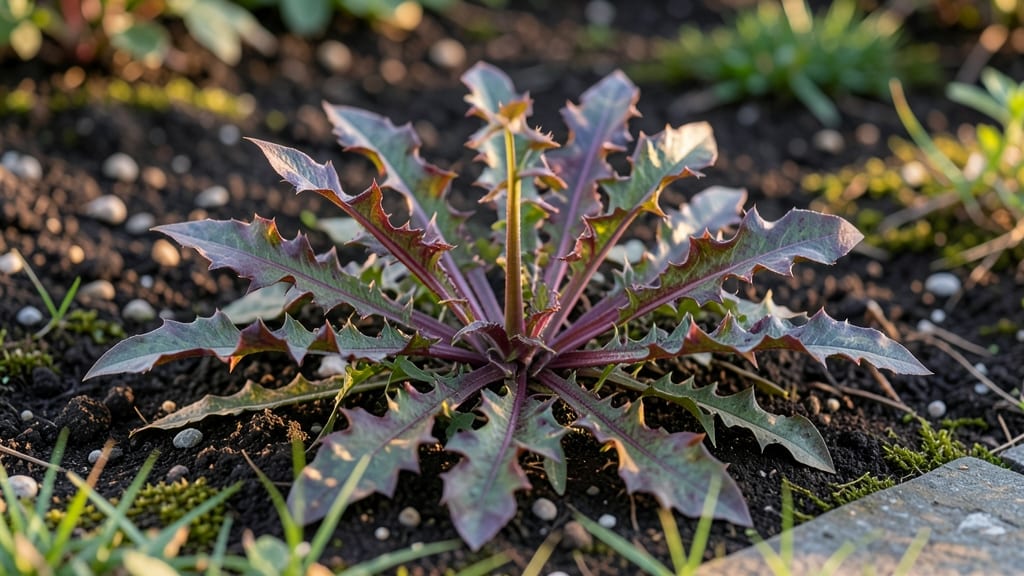
That purple-leaved weed creeping into your lawn isn’t just an eyesore—it’s a stubborn root system waiting to take over. 🌱 I’ve battled henbit, chickweed, and clover variants for years, and boiling water is the one trick that actually works when pulling fails.
The key? Targeting the roots without harming your grass.
Most people grab herbicides first, but that’s overkill for small patches. Boiling water kills weeds on contact—no chemicals, no waiting. You’ll need a kettle, careful pouring, and a sunny day to repeat treatments.
It’s cheap, fast, and organic, but timing matters: apply when weeds are actively growing for best results.
After treatment, the area will look bare for a few days, but new grass seeds or sod will fill in faster than weeds can return. The secret? Preventing regrowth by keeping the lawn thick and mowing high—1 inch or taller—so sunlight discourages weeds from sprouting back.
Not all purple-leaved plants are weeds—some are clover, which actually improves soil. Learn to spot the difference: true weeds like henbit have hairy stems and spread aggressively, while clover has tri-foliate leaves and stays contained. That’s the first step to fighting what you don’t want while keeping what you do.
Root Causes Of Purple Lawn Invaders
Understanding why purple-leaved weeds pop up in your lawn is half the battle—because once you know the why, you can tackle the how with confidence. These vibrant intruders don’t just appear out of nowhere; they’re usually responding to specific conditions in your soil, climate, or lawn care routine.
Let’s break down the most common culprits and why they turn your grass into a purple-tinged puzzle.
Purple-leaved weeds, like henbit or chickweed, often thrive when your lawn’s soil is nutrient-deficient or compacted. Here’s the science: - Low nitrogen levels 🧪: Grass relies on nitrogen for vibrant green growth.
When nitrogen is scarce, weeds like purple deadnettle (Lamium purpureum) seize the opportunity, flourishing in poor-quality soil. - High phosphorus or potassium dominance 📉: While phosphorus and potassium are essential, an imbalance—especially too much phosphorus—can encourage broadleaf weeds that love nutrient-rich but unbalanced soil. - Compacted or clay-heavy soil 🏗️: Dense soil restricts root growth, weakening grass and leaving gaps for weeds to sprout.
Purple-leaved weeds often dominate in these conditions because they’re shallow-rooted but resilient.
Actionable fix: Conduct a soil test (DIY kits are affordable) to check pH and nutrient levels. Amend soil with compost or a balanced fertilizer (like 10-10-10) to restore harmony.
Watering habits play a huge role in weed proliferation. Purple-leaved weeds love: - Excess moisture 🌧️: Weeds like creeping charlie (Glechoma hederacea) thrive in soggy soil because they’re adapted to damp conditions.
Overwatering (or poor drainage) creates the perfect breeding ground. - Inconsistent watering 💦: Grass needs deep, infrequent watering to develop strong roots. Shallow, frequent watering keeps the topsoil moist—ideal for weeds but not for grass.
Actionable fix:
- Water early in the morning (4–6 AM) to reduce evaporation and fungal risks.
- Aim for 1–1.5 inches per week, adjusting for rain.
- Improve drainage with sand or organic matter if your lawn holds water like a sponge.
Purple-leaved weeds often dominate in shady or partially shaded areas because: - Grass struggles in low light 🌳: Most lawn grasses (like Kentucky bluegrass or fescue) need 4–6 hours of sunlight daily.
In shadier spots, weeds like ground ivy (Glechoma hederacea) or clover outcompete grass. - Weeds adapt better 🌿: Many purple-leaved weeds are shade-tolerant and grow aggressively in low-light conditions, filling gaps left by struggling grass.
Actionable fix:
- Mow higher (3–4 inches) in shady areas to help grass shade out weeds.
- Consider shade-tolerant grass varieties like fine fescue or creeping red fescue.
- Thin overhanging trees if possible to let more light reach the lawn.
Any disruption to your lawn—whether from foot traffic, pets, or construction—creates openings for weeds.
Purple-leaved varieties exploit these gaps because: - Bare soil = easy entry 🚧: Weeds spread via seeds or runners and colonize disturbed areas faster than grass can regrow. - Competition reduction 🏃♂️: High foot traffic or pet urine can burn or compact grass, leaving weak patches where weeds take over.
Actionable fix:
- Reseed bare spots with a high-quality grass mix suited to your climate.
- Reduce foot traffic on newly seeded areas until grass is established (about 3–4 weeks).
- Use mulch or straw to protect seeds from drying out.
Some purple-leaved weeds are seasonal opportunists, thriving in: - Cool seasons ❄️: Weeds like henbit and purple deadnettle germinate in fall and early spring when temperatures are 50–70°F.
They die back in summer heat, only to return when conditions are favorable. - Wet springs 🌧️: Excess rain softens soil, making it easier for weed seeds to germinate and spread.
Actionable fix:
- Pre-emergent herbicides in early fall can prevent cool-season weeds from taking root.
- Aerate in spring to improve soil structure and reduce weed seed germination.
Ironically, overusing herbicides or neglecting lawn care can backfire:
- Herbicide resistance 🛡️: Repeated use of the same herbicide can create superweeds that survive treatment.
- Fungal buildup 🍄: Poor lawn maintenance (like thatch buildup) can weaken grass, making it vulnerable to weeds.
Actionable fix:
- Rotate herbicides if using chemicals, following label instructions.
- Core aerate annually to prevent thatch and improve grass health.
- Mow regularly (never remove more than 1/3 of the blade height) to keep grass competitive.
Effective Lawn Weed Removal Solutions
Now that you understand why purple-leaved weeds pop up in your lawn, it’s time to tackle them head-on! The good news? You don’t need harsh chemicals or expensive tools to reclaim your green space.
Below are practical, step-by-step solutions tailored to the most common causes of these stubborn weeds—plus prevention tips to keep them from returning.
Best for: Small infestations, early-stage growth, or organic lawn care.
- 🍳 Choose the Right Time
- Pull weeds after rain or when the soil is moist (they’re easier to remove).
- Target weeds when they’re young—mature roots make extraction harder.
- 👨🍳 Use the Right Tools
- Gloves (to protect your hands from sap or sharp edges).
- A weeding tool (like a dandelion digger) or a putty knife for stubborn roots.
- For thick turf, a lawn fork can help loosen compacted soil.
- 🥘 Grab and Twist
- Grasp the weed as close to the base as possible.
- Twist gently while pulling upward to avoid breaking the root.
- Pro Tip: 💡 If the root snaps, dig deeper—even a tiny fragment can regrow!
- ⏰ Frequency Matters
- Check your lawn weekly during growing seasons (spring/fall).
- Consistency prevents seeds from maturing and spreading.
Best for: Targeted, chemical-free elimination of deep-rooted weeds.
- 🌡️ Heat It Up
- Boil 2–3 gallons of water in a large kettle or pot with a spout.
- Safety First: 🛡️ Use heat-resistant gloves and avoid windy days (splashes can burn).
- 🎯 Precision Pouring
- Pour the boiling water directly over the weed’s leaves and roots.
- Focus on the base—this kills the plant and disrupts root systems.
- Avoid healthy grass by pouring only on weeds (or use a small funnel for control).
- 🔥 Repeat as Needed
- For tough weeds, reapply every 3–5 days until the plant wilts and dies.
- Best Time: Early morning or late evening (less evaporation, more effectiveness).
- 🌱 Post-Treatment Care
- Water the area lightly afterward to help the soil cool.
- Reseed or overseed the spot within a week to prevent bare patches.
Best for: Eco-friendly weed control without synthetic chemicals.
- 🍅 Vinegar Solution (Acetic Acid)
- Mix 1 gallon of white vinegar (20–30% acidity), 1 cup of salt, and 1 tbsp of dish soap.
- Why? Vinegar dehydrates weeds, while soap helps it stick to leaves.
- Safety: 🚫 Avoid spraying on windy days or near desirable plants.
- 🌿 Homemade Herbicide Spray
- Blend 1 cup of citric acid, 1 gallon of water, and 1 tbsp of soap.
- Spray directly on weeds (avoid grass—this is non-selective).
- Reapply every 2–3 days until weeds brown and die.
- 🌱 Corn Gluten Meal (Preventative)
- Spread 20 lbs per 1,000 sq ft in early spring to block weed seeds from germinating.
- Bonus: Adds organic matter to soil and feeds microbes.
Best for: Long-term lawn health and weed suppression.
| Cause | Solution | Prevention Tip |
|---|---|---|
| Thin Grass | Overseed bare spots with dense grass varieties (e.g., fescue, ryegrass). | Mow high (3–4 inches) to shade out weeds. |
| Compacted Soil | Aerate the lawn twice a year to improve root penetration. | Top-dress with compost after aerating to loosen soil naturally. |
| Poor Drainage | Fix drainage issues with sand or soil amendments. | Install a French drain if water pools in low areas. |
| Excess Nitrogen | Reduce synthetic fertilizers; use slow-release organic options. | Test soil annually to adjust pH and nutrient levels. |
| Seed Spread | Remove weeds before they seed (especially in fall). | Mulch garden beds with wood chips to block light and prevent germination. |
- 🌡️ Mow High: Keep grass at 3–4 inches—taller grass outcompetes weeds for sunlight.
- 💡 Solarize Problem Areas: Cover weeds with clear plastic for 4–6 weeks in hot sun to kill them via heat.
- 🌱 Plant Ground Covers: Use clover or creeping thyme in high-traffic areas to crowd out weeds naturally.
- 🚫 Avoid Overwatering: Weeds thrive in soggy soil—water deeply but infrequently to encourage deep grass roots.
By combining manual removal, targeted treatments, and lawn care habits, you’ll not only eliminate purple-leaved weeds but also create a thicker, healthier lawn that resists future invasions. Start with one method, monitor progress, and adjust as needed—your green oasis is within reach! 🌿💚
Frequently asked questions
What are the most common purple-leaved weeds in lawns?
The most likely culprits are henbit, chickweed, and purple deadnettle. Henbit has jagged leaves and hairy stems, while chickweed forms dense mats. Clover (with its trifoliate leaves) often gets mistaken for weeds but actually improves soil.
Is boiling water safe for my grass when treating weeds?
Yes, if applied precisely! Pour boiling water only on the weeds—avoid healthy grass. Use a small funnel or carefully direct the stream. Grass recovers quickly, while weeds die from the heat. Test a small area first if you're unsure.
How do I tell if purple spots are weeds or beneficial plants?
Check the leaf structure: True weeds like henbit have hairy stems and spread aggressively. Clover has three leaflets and stays contained. Also look at growth patterns—weeds often form dense patches while beneficial plants grow more uniformly.
Will vinegar really kill purple-leaved weeds?
Yes, but use 20-30% acetic acid vinegar mixed with dish soap for best results. Apply on a sunny day to prevent dilution. It kills weeds by dehydration, but avoid spraying near desirable plants—vinegar is non-selective.
How often should I check my lawn for new purple weeds?
Inspect your lawn weekly during growing seasons (spring/fall). Weeds spread quickly, so early detection is key. Focus on areas with thin grass or foot traffic—these spots are most vulnerable.