
How To
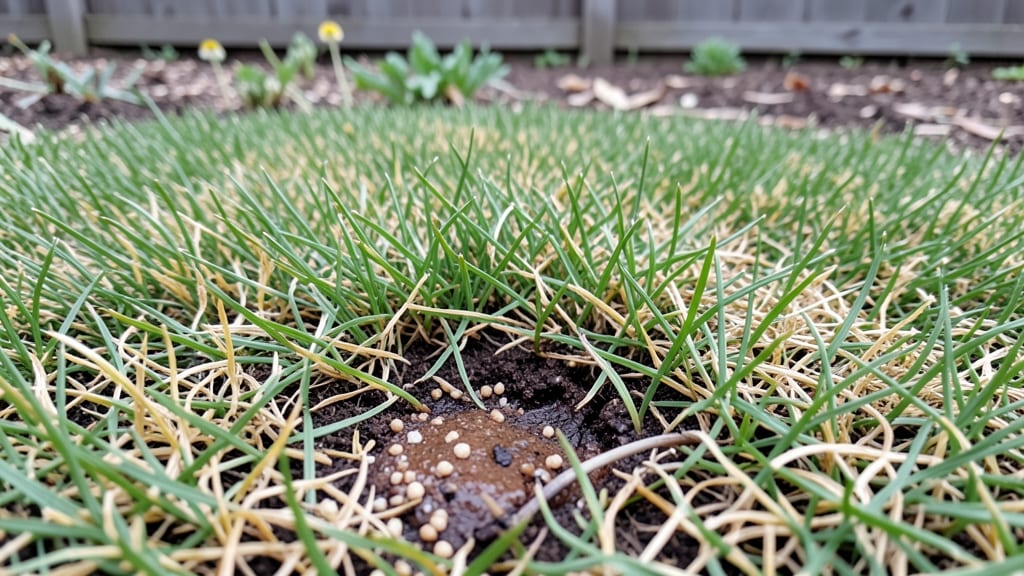
Stop that dog wee burning your grass—it’s a nitrogen overload that turns green lawns to yellow patches overnight, but a quick, chemical-free fix can save your yard in minutes. 🌱 I’ve seen this problem ruin entire lawns, but there’s a simple solution that works fast.
The key is diluting the nitrogen before it damages the roots, and I’ll show you exactly how.
Most people don’t realize that frequent urination concentrates nitrogen in the soil, creating a chemical burn that grass can’t recover from. But with a few adjustments—like watering after potty breaks or using a natural vinegar spray—you can protect your lawn while keeping your pet happy.
It’s all about timing and the right products.
By the end, your grass will stay vibrant, even with a high-energy pup tearing through the yard. The vinegar spray neutralizes the acidity, while proper training and watering techniques prevent future damage. No more patchy lawns or frustrated homeowners—just a healthy green space.
Works for any grass type, from Bermuda to Kentucky Bluegrass, and fits seamlessly into pet care routines. Let’s get your lawn back to lush in no time.
Why it happens
When your dog’s urine leaves behind brown, crispy patches on your grass, it’s not just an eyesore—it’s a chemical reaction gone wrong. Understanding why this happens is the first step to fixing it.
Let’s break down the science behind the burn and explore the key culprits turning your lawn into a patchwork of dead spots.
🧪 High Ammonia & Nitrogen Levels
Dogs’ urine is naturally high in ammonia and nitrogen, both of which are byproducts of protein metabolism. When urine hits grass, these compounds create a highly alkaline environment (pH often spikes to 8.0 or higher).
Most grasses thrive in a neutral to slightly acidic range (pH 6.0–7.0), so this sudden chemical shift acts like a slow-motion herbicide.
- Ammonia disrupts the grass’s ability to absorb water and nutrients, causing cells to dry out.
- Nitrogen overload forces the grass to grow too quickly, but without enough water or root support, the blades weaken and turn brown.
- Young or weak grass is especially vulnerable because its cell walls are less resilient to pH swings.
Fun fact: Male dogs typically cause more damage because their urine is more concentrated (higher ammonia levels) due to the way their urinary tract processes waste.
🌱 Grass Type Matters
Not all grass is equally defenseless. The type of grass in your yard plays a huge role in how badly it reacts to dog urine:
| Grass Type | Why It Burns | Recovery Potential |
|---|---|---|
| Bermuda Grass | Thin cell walls + high pH tolerance, but still suffers from ammonia shock. | Moderate (recovers faster than fescue but needs dilution). |
| Kentucky Bluegrass | Deep roots but sensitive to nitrogen spikes; often develops yellow patches. | Low (prone to long-term damage without intervention). |
| Fescue Grass | Hardy but slow to recover; ammonia burns the tips first, then spreads. | High (if soil is healthy and watered properly). |
| Clover or Clover Mixes | More alkaline-tolerant than grass, but still turns brown if urine is highly concentrated. | Very High (often outcompetes damaged grass). |
💡 Pro Tip: If your dog frequents the same spots, consider planting clover or creeping charlie in high-traffic areas—they’re naturally more resilient to urine burns.
💧 Soil & Water Stress
Even if your grass is tough, dry or compacted soil makes it far more susceptible to urine damage. Here’s how:
- Lack of water: Ammonia evaporates quickly in dry conditions, leaving behind concentrated nitrogen salts that crystallize in the soil. These salts act like tiny salt shakers, dehydrating grass roots.
- Compacted soil: Poor drainage means urine sits longer on the surface, increasing exposure time to ammonia. Compacted areas also have fewer beneficial microbes to break down the waste.
- Poor soil health: Grass with low organic matter or nutrient deficiencies (like potassium or phosphorus) can’t bounce back from chemical stress.
🌡️ Hot Weather Worsens It: In temperatures above 80°F (27°C), ammonia volatilizes faster, but the grass’s ability to recover slows down due to heat stress. Double trouble!
🐕 Dog-Specific Factors
Not all dogs are lawn saboteurs—it depends on their diet, hydration, and even their age. Here’s what makes some pups worse offenders than others:
- High-protein diet: Dogs on raw, kibble-heavy, or meat-rich diets produce urine with 20–30% more ammonia than those on plant-based or balanced diets.
- Dehydration: Concentrated urine (dark yellow, strong smell) is far more damaging than dilute urine. Dogs on dry food or in hot climates are at higher risk.
- Medications or supplements: Some drugs (like steroids or supplements with high calcium) alter urine pH, making it more corrosive.
- Age & health: Puppies and senior dogs with bladder control issues may pee more frequently, increasing exposure. Diabetic dogs often have urine with higher glucose levels, which can ferment and create additional damage.
🎯 Actionable Fix: If your dog’s diet is the culprit, switch to a lower-protein, higher-moisture diet (like wet food or cooked veggies) to dilute their urine naturally.
Quick Fixes for Scorched Lawn Spots
Now that you understand why your dog’s wee is turning your grass into a crispy patch, let’s tackle the problem head-on with easy, effective solutions—some instant, others long-term. Below, we’ve matched common causes to their fixes, plus pro tips to keep your lawn lush and your pup happy.
🔥 Fix Yellowed or Brown Grass from Dog Urine
Cause: High nitrogen levels (from ammonia in urine) burn grass roots. Solution:
- Dilute vinegar spray (the hero of this article!): Mix 1 part white vinegar + 2 parts water in a spray bottle. Lightly mist the affected area—vinegar neutralizes ammonia and restores pH balance. 🌱 Test a small patch first to avoid over-acidifying soil.
- Rinse with water immediately after your dog pees (if caught early). A hose or sprinkler system helps dilute the urine before it sets.
- Overseed or reseed the damaged spot with dog-friendly grass like tall fescue or Bermuda grass, which tolerates urine better.
Prevention Tip: 💡 Train your dog to pee on gravel, mulch, or a designated "potty patch" (like a patch of clover or a rubber dog pee pad). Consistency is key—reward them with treats when they succeed!
🌱 Revive Stressed or Crunchy Grass Patches
Cause: Repeated urination weakens grass, making it brittle or dead. Solution:
- Apply a thin layer of compost or topsoil to the scorched area. This adds nutrients and helps roots recover faster.
- Use a lawn fertilizer with low nitrogen (look for a high phosphorus/potassium ratio, like 5-10-10). Too much nitrogen = more burns!
- Mow higher (3–4 inches) to shade roots and retain moisture. Taller grass handles urine better.
Prevention Tip: ✨ Rotate your dog’s potty spots if they have a favorite place. Use flags or stakes to mark "off-limits" zones temporarily.
🚫 Stop Dog from Targeting the Same Spots
Cause: Dogs learn that urine smells familiar (and safe) in one area. Solution:
- Distract and redirect:
- 🔪 Step on the grass where they pee (it disrupts their scent marker).
- 👨🍳 Offer a command like "Go potty!" and lead them to a new spot (reward heavily!).
- Block access with temporary fencing, a raised bed, or even a plastic sheet (yes, really—dogs hate the texture!).
- Try a commercial urine-neutralizing spray (like Nature’s Miracle) if vinegar isn’t enough. These break down ammonia faster.
Prevention Tip: 🎯 Increase water intake—diluted urine = less damage! Add a dog water fountain or low-sodium broth to their bowl to encourage hydration.
🌿 Long-Term Lawn Care for Dog Owners
Cause: Poor soil health or overwatering can’t compensate for urine damage. Solution:
- Test your soil’s pH (ideal for grass: 6.0–7.0). If it’s too acidic, add lime; if alkaline, use sulfur or peat moss.
- Aerate your lawn annually to improve drainage and root strength.
- Plant a "dog-friendly" ground cover near high-traffic areas, like:
- Clover (nitrogen-fixing, urine-resistant)
- Creeping thyme (drought-tolerant, soft underfoot)
- Moss (loves acidic soil, great for shaded spots)
Prevention Tip: 💪 Train your dog to lift their leg less often by:
- Keeping them on a strict schedule (young dogs need potty breaks every 1–2 hours).
- Using enzymatic cleaners (like Rocco & Roxie) on accidents to remove scent entirely.
⏰ Emergency Repair for Severe Burns
If your lawn looks like a moon crater, don’t panic:
- Scratch up the dead grass with a rake.
- Spread a thin layer of compost (¼ inch).
- Sprinkle dog-friendly grass seed and cover with a light straw mulch to retain moisture.
- Water gently for 10–14 days (keep soil damp, not soggy).
Pro Tip: 🌡️ Wait for cooler weather to reseed—heat and direct sun stress new grass. Early spring or fall is ideal!
Final Reminder: Patience and consistency are your best tools. With these fixes, your lawn will bounce back—and your dog will learn better habits in no time! 🐾
Frequently asked questions
Why does my dog’s urine specifically burn the grass?
Dog urine contains high levels of ammonia and nitrogen, which create a highly alkaline environment when they hit the grass. Most grasses thrive in a neutral pH, but this sudden shift acts like a chemical burn, disrupting the grass’s ability to absorb water and nutrients. Male dogs often cause more damage because their urine is more concentrated.
How can I prevent my dog from peeing in the same spot repeatedly?
Start by distracting and redirecting your dog—step on the grass where they pee to disrupt scent markers, and lead them to a new spot with a command like "Go potty!" Reward them with treats when they succeed. You can also block off problem areas with temporary fencing or plastic sheets, which dogs dislike.
Is vinegar safe to use on all types of grass?
Vinegar spray works well for most grasses, but always test a small, hidden patch first to avoid over-acidifying the soil. For delicate grasses like Kentucky Bluegrass, dilute the vinegar further (use 2 parts vinegar to 3 parts water) or opt for enzymatic cleaners like Nature’s Miracle for a gentler approach.
What’s the best way to revive grass that’s already burned?
Scratch up the dead grass with a rake, then apply a thin layer of compost or topsoil. Sprinkle dog-friendly grass seed (like tall fescue) and cover lightly with straw to retain moisture. Water gently for 10–14 days—avoid direct sun until new grass establishes. Early spring or fall is ideal for reseeing.
Can diet changes reduce the damage my dog causes?
Switching to a lower-protein, higher-moisture diet (like wet food or cooked veggies) can dilute your dog’s urine, reducing ammonia levels. Hydration is key—add a dog water fountain or low-sodium broth to their bowl to encourage more frequent, dilute urination. This simple tweak can make a big difference!