
Lawn
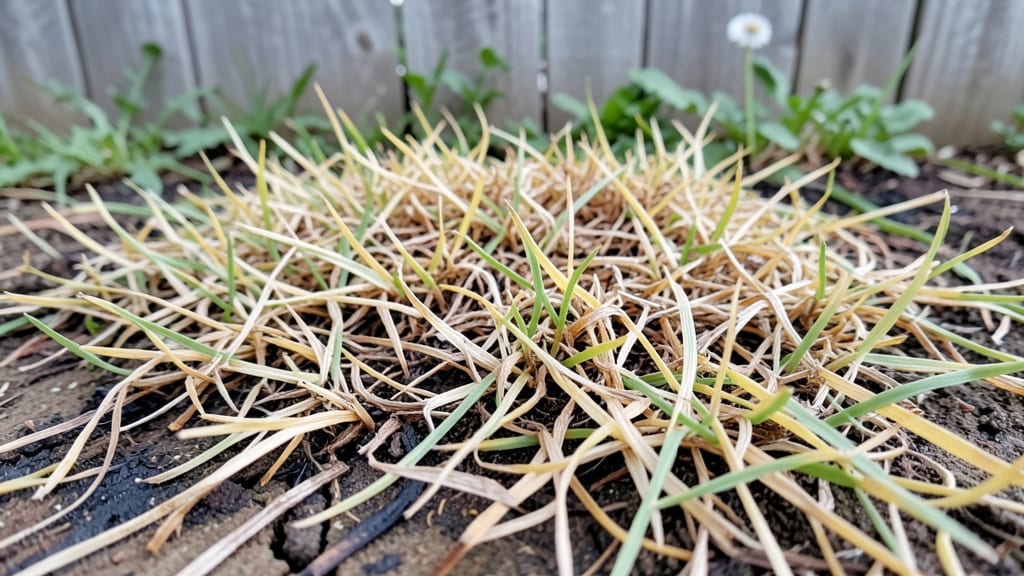
Urine burn grass faster than you can say "oops"—those yellow patches aren’t just unsightly, they’re a sign your lawn’s struggling to bounce back. I’ve seen this happen after a weekend BBQ or a dog’s enthusiastic marking, and the good news?
You can revive those patches without tearing up the whole yard. The key is acting fast with the right fix, whether it’s dilution, watering, or a little extra TLC.
Here’s the thing—urine isn’t all bad for lawns (diluted, it can even add nitrogen), but concentrated pee acts like a chemical burn. The ammonia in fresh urine disrupts grass roots, leaving behind those telltale brown spots.
Most people panic and overwater, which actually makes it worse by concentrating the damage deeper. Instead, you’ll want to flush it out gently and give the grass a fighting chance to recover.
Within 24-48 hours, you can see those patches green up again if you act quickly. Start by watering the area deeply but slowly to dilute the urine without shocking the roots, then follow up with a light layer of compost or a slow-release fertilizer.
For stubborn patches, overseeding with a fast-growing grass blend can turn those eyesores into lush growth in just a couple of weeks.
Prevention is easier than fixing—always water the lawn first to dilute any future accidents, and train pets to use a designated spot. Even organic fertilizers can burn if overapplied, so think of urine the same way: a little goes a long way when handled right.
Let’s get those patches looking fresh again!
Why it happens
When your grass turns brown or yellow after contact with urine, it’s not just a random coincidence—it’s a chemical reaction with clear causes. Here’s why it happens, broken down into the key factors that turn your lawn into a patchwork of damage.
🧪 High Ammonia Concentration
Urine is primarily composed of urea, which breaks down into ammonia (NH₃) when exposed to bacteria in the soil. Ammonia is a highly alkaline compound (pH ~11), and when it seeps into grass blades, it acts like a mild acid burn.
The higher the concentration—especially in fresh urine—the more severe the damage. This is why pets or humans urinating repeatedly in the same spot create those classic crispy yellow circles.
- Key factor: Ammonia disrupts the cell membranes of grass blades, causing them to lose moisture and turn brown.
- Worst offenders: Small, frequent urinations (e.g., dogs, children) concentrate ammonia in tight areas.
- Science note: Ammonia also blocks chlorophyll production, starving the grass of energy.
🌱 Grass Type Sensitivity
Not all grass is equally resilient. Cool-season grasses (like Kentucky bluegrass or fescue) are more vulnerable to urine damage than warm-season grasses (like Bermuda or Zoysia). This is because:
| Grass Type | Urine Tolerance | Why? |
|---|---|---|
| Cool-season grasses | Low | Thin cell walls and slower recovery rates. |
| Warm-season grasses | Moderate-High | Thicker blades and deeper root systems dilute ammonia impact. |
| Newly seeded grass | Very Low | Young plants lack the osmotic regulation to handle salt/ammonia stress. |
Pro tip: If your lawn is mostly cool-season grass, urine damage will be more visible and long-lasting. Overwatering after urination can dilute ammonia but may also wash away nutrients the grass needs to recover.
💧 Soil pH Imbalance
Ammonia doesn’t just harm grass—it alters soil pH locally, creating a mini alkaline hotspot. Healthy lawn soil typically has a pH of 6.0–7.5, but urine can spike pH to 8.0 or higher in affected areas. This:
- 🔥 Reduces nutrient availability: Essential minerals like iron and phosphorus become locked out of grass roots.
- 🌱 Encourages weed growth: Some weeds (e.g., crabgrass) thrive in alkaline conditions, outcompeting your lawn.
- ⏳ Slows decomposition: Soil microbes struggle to break down organic matter, weakening root health.
Actionable fix: Test your soil’s pH near damaged patches. If it’s above 7.5, apply sulfur-based fertilizer or peat moss to restore balance.
🌞 Environmental Stressors
Urine damage isn’t just a chemical issue—it’s often worsened by external conditions. Heat, drought, and poor drainage turn a minor incident into a major problem:
- Heat/drought: Ammonia burns grass faster when soil is dry because there’s no water to dilute the compound.
- Compacted soil: Prevents urine from diluting into the ground, concentrating damage at the surface.
- Shade: Grass in shaded areas grows slower, making it more susceptible to urine stress.
💡 Quick check: If your lawn is already struggling with thin spots or brown patches, urine will exacerbate the issue. Prioritize deep watering and aeration to reduce vulnerability.
How to solve it
If your grass looks like it’s been through a very unpleasant experience—thanks to a urine burn—don’t panic. With the right steps, you can nurse those yellow patches back to health. The key is acting fast, identifying the cause, and applying targeted solutions.
Below, we break down the most effective fixes based on the root of the problem, plus tips to keep your lawn lush and urine-resistant.
###
🌱 Fix 1: Immediate Flushing & Hydration (For Fresh Burns)
If you catch the urine burn early (within a few hours), dilution is your best friend. Urine is highly concentrated with nitrogen, which burns grass roots when left to sit. Here’s how to flush it out:
- 💦 Rinse the area: Use a garden hose to gently but thoroughly soak the burned patch for 5–10 minutes. This helps wash away excess salts and urea.
- 🌧️ Deep watering: After rinsing, water the spot deeply (about 1–2 inches) to encourage root recovery. Avoid light sprinkling—deep hydration prevents further stress.
- ⏰ Frequency matters: Water the area every 2–3 days until new growth appears (usually 1–2 weeks). Keep the soil moist but not soggy.
Pro Tip: 💡 If you don’t have a hose, place a shallow tray or bucket of water over the area and let it seep in slowly. This mimics gentle rain.
###
🌿 Fix 2: Soil & Nutrient Recovery (For Established Damage)
If the burn has already set in (brown or crispy grass), focus on repairing the soil and roots. Over-fertilizing now will only make things worse—patience is key.
| Step | Action | Why It Works |
|---|---|---|
| 🔄 Test your soil | Use a DIY soil test kit (available at garden centers) to check pH and nutrient levels. Urine can make soil more acidic. | Balanced soil = healthier grass recovery. |
| 🍃 Apply compost or peat moss | Sprinkle a ¼-inch layer of compost over the damaged area and lightly rake it in. For acidic soil, mix in a bit of lime. | Compost adds organic matter, improving soil structure and microbial activity. |
| 🌱 Overseed carefully | Once the soil is prepped, scatter grass seed (matching your lawn type) over the bare spots. Lightly cover with a thin layer of soil and water gently. | New grass needs consistent moisture to germinate—keep the area damp for 2–3 weeks. |
Pro Tip: ✨ For stubborn patches, try a grass repair mix (available at hardware stores) that combines seed, fertilizer, and mulch in one step.
###
🛡️ Fix 3: Long-Term Prevention Strategies
Once your lawn is back on track, prevent future urine burns with these smart habits:
- 🚽 Train pets (or kids!) to use specific spots:
- Designate a "potty patch" in a less visible or high-traffic area (like near a tree or shrub). Grass recovers faster in shaded spots.
- Use artificial turf or gravel in high-use zones to protect the lawn.
- 💧 Water after accidents: Always rinse the area with water immediately after a urine incident. Even a quick spray helps dilute the damage.
- 🌱 Choose urine-resistant grass types:
- Grasses like Kentucky Bluegrass or Tall Fescue are more resilient to urine burns than delicate varieties like Bermuda.
- If you’re reseeding, pick a drought-tolerant mix for better recovery.
- 🌡️ Adjust fertilization timing:
If your lawn gets frequent urine exposure, avoid nitrogen-heavy fertilizers during peak growth seasons. Instead, use a balanced fertilizer (10-10-10 or 5-10-10) to prevent overloading the soil.
Pro Tip: 🎯 For pet owners, consider a natural enzyme spray (like Nature’s Miracle) to break down urine compounds before they harm the grass.
###
⚠️ What NOT to Do
Mistakes can slow down recovery—or make things worse. Avoid these common pitfalls:
- 🚫 Over-fertilizing: Too much nitrogen will burn the grass further. Wait until new growth appears before adding fertilizer.
- 🚫 Scalping the lawn: Avoid mowing the damaged area until it fully recovers. Cutting weak grass stresses it more.
- 🚫 Ignoring the problem: Even small yellow patches can spread if left untreated. Act within 24–48 hours for the best results.
With these steps, your lawn can bounce back from urine burns in no time. Remember: patience and consistency are your allies. Before you know it, those yellow patches will be nothing but a bad memory—and your grass will be greener than ever! 🌿💚
Frequently asked questions
Why does urine burn grass so quickly?
Urine contains high levels of ammonia, which acts like a chemical burn on grass blades. When fresh urine sits on grass, it disrupts cell membranes and blocks chlorophyll production, causing rapid browning. Small, frequent urinations (like from pets) concentrate the damage in tight spots.
Can I use diluted urine as fertilizer later?
Yes, but with caution! Diluted urine (1:10 ratio with water) can provide nitrogen, but only apply it to healthy grass—not damaged patches. Always water deeply afterward to prevent future burns. Avoid using it during extreme heat or drought when grass is more vulnerable.
How do I know if my grass is recovering from a burn?
Watch for new green shoots appearing within 7-10 days after treatment. Healthy recovery shows as soft, pliable blades rather than crispy brown spots. If patches remain brown after 2 weeks, overseeding may be needed to restore the area.
What's the fastest way to revive a small urine burn?
Act immediately by rinsing the area with a hose for 5-10 minutes, then water deeply every 2-3 days. Spread a thin layer of compost over the patch and lightly rake it in. This combination jumpstarts recovery by providing nutrients while keeping the soil moist.
Will my lawn ever be the same after a urine burn?
With proper care, most lawns fully recover from small burns! For larger damaged areas, overseeding with matching grass type can restore uniformity. Prevent future burns by training pets to use designated spots and watering immediately after accidents to dilute the urine.