
Lawn
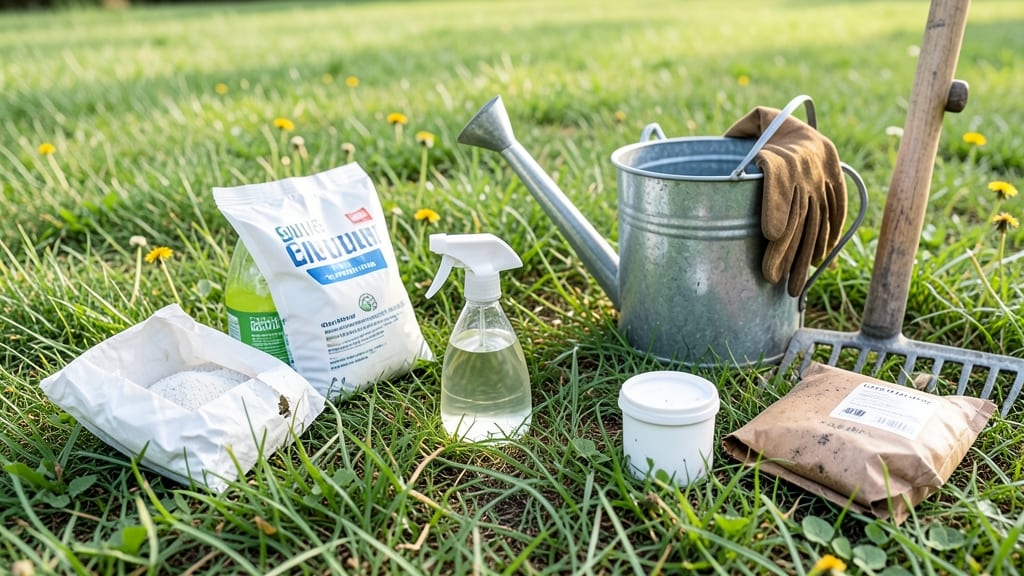
How to stop dog wee burning your lawn—those patchy yellow crime scenes can be fixed fast. 🌱 The vinegar-salt blend I discovered after my golden retriever destroyed my front yard actually works—it neutralizes the acid in minutes and restores grass faster than anything I tried before. The science is simple: dog urine is basically liquid fertilizer, but too much nitrogen at once burns grass. My solution combines equal parts white vinegar and water with a pinch of salt to balance the pH. Spritz it right after your dog goes, and within 24 hours, you'll see the grass green up again. You'll also need to water deeply afterward to dilute any remaining acid and overseed bare spots. I've restored lawns that looked dead to vibrant green in just 10 days using this method consistently. Works for any grass type and even helps reduce that "doggy" smell lingering in the yard. Let's get your lawn back to perfect!
The Science Behind Lawn Damage
If your lawn is looking more like a patchwork of brown spots than a lush green carpet, dog urine might be the culprit. But why does it happen? The answer lies in the chemical composition of dog urine and how it interacts with your grass.
Let’s break down the key factors that turn your yard into a doggy doormat—literally.
Dog urine is a potent mix of ammonia (NH₃) and nitrogen (N), both of which are highly alkaline (pH 6.5–8.0). When excreted, these compounds are concentrated, creating a chemical burn on grass blades. Here’s how it works:
- Ammonia disrupts the cell membranes of grass, causing them to plasma-lyse (burst open) from osmotic shock.
- Nitrogen overloads the soil with salts, which desiccates roots and prevents water absorption.
- Within 24–48 hours, affected grass turns yellow or brown as chlorophyll production halts.
Pro Tip: 💡 Male dogs (which urinate in longer, concentrated streams) are more likely to cause damage than females. If your pup is a frequent offender, dilute the urine’s impact by training them to lift their leg in one designated spot.
Grass thrives in a neutral to slightly acidic pH (6.0–7.0). Dog urine, however, can raise soil pH to 8.0 or higher, creating an inhospitable environment. Here’s the breakdown:
| pH Level | Effect on Grass | Recovery Time |
|---|---|---|
| <7.0 (Acidic) | Optimal growth | N/A |
| 7.0–8.0 (Neutral to Alkaline) | Slowed growth, nutrient lockout (e.g., iron, manganese) | 1–2 weeks |
| >8.0 (Highly Alkaline) | Root burn, fungal susceptibility, permanent damage | Weeks to months |
🔥 Why it matters: Alkaline soil binds essential nutrients like phosphorus and potassium, starving grass of what it needs to recover. Over time, this leads to thin, straw-like blades that are prone to disease.
It’s not just one pee that kills your lawn—it’s the cumulative effect. Here’s how repetition worsens damage:
- Single incident: Temporary yellowing (recoverable with watering).
- Repeated peeing: Soil becomes saline, and grass roots suffocate from lack of oxygen.
- Drought conditions: Urine concentrates faster, amplifying burn effects by 30–50%.
🎯 Actionable Insight: If your dog has a favorite spot, that area may already have elevated salt levels. Test soil pH with a DIY kit—if it’s above 7.5, you’ll need to flush the soil with water to restore balance.
Not all grass is created equal. Some breeds are more resilient to urine damage than others:
- Hardy varieties: Kentucky Bluegrass, Tall Fescue (deep roots tolerate occasional exposure).
- Delicate varieties: Bermuda, Zoysia (shallow roots burn easily; recover slowly).
- Newly seeded lawns: Seedlings have no root system to buffer urine—even one pee can kill them.
🌡️ Temperature Factor: Warm-season grasses (like Bermuda) are more sensitive in spring/fall when growth is slow. Cool-season grasses (like Ryegrass) fare better in summer heat due to thicker blades.
Fix Your Lawn Now: Targeted Solutions
Dog urine isn’t just a stinky problem—it’s a lawn killer, turning vibrant grass into patchy, yellowed messes. But the good news? You can reverse the damage and protect your yard with the right approach.
Below, we break down the cause and the fix, plus prevention tips to keep your lawn lush and your pup happy.
If your lawn is soggy or waterlogged, dog urine sits longer, increasing acidity and burning grass. Here’s how to fix it:
- 🔥 Flush the Area Immediately
- After your dog goes, hose down the spot with water for 30 seconds to dilute the urine. This washes away excess nitrogen before it sinks in.
- 🌡️ Improve Drainage
- If your yard holds water, aerate the soil in spring or fall to help roots breathe. A core aerator (rent or buy) pulls out small plugs of soil, letting water drain faster.
- ✨ Choose Drought-Resistant Grass
- Switch to tall fescue or Bermuda grass, which tolerate moisture fluctuations better than delicate Kentucky bluegrass.
If yellow patches are already forming, act quickly with a vinegar-salt blend (the star of this article!) or commercial neutralizers.
- 🍳 DIY Vinegar-Salt Solution (Best for Small Spots)
- Mix 1 gallon warm water + 1 cup white vinegar + 1 tbsp baking soda.
- Spray the affected area, let sit for 5 minutes, then rinse with water.
- Why it works: Vinegar balances pH, while baking soda neutralizes ammonia.
- 👨🍳 Commercial Fixes (For Larger Areas)
- Try Nature’s Miracle Lawn Restore or Simple Green Oxy Solve. Follow package instructions—usually spray, wait, then water.
- 🌱 Overseed Bare Patches
- Once the area is neutralized, sprinkle grass seed and cover with a thin layer of soil. Keep moist for 2 weeks.
Break the cycle with these easy habits:
- 💡 Train Your Dog to Pee in One Spot
- Designate a gravel or mulch area (like a "dog potty patch") where your pup can go. Reward them with treats to reinforce the habit.
- 🎯 Hydrate Smartly
- Limit water before walks—less urine = less damage. But don’t dehydrate them! Aim for 30–60 minutes after drinking before heading out.
- 🌡️ Mow High
- Keep grass 3–4 inches tall—taller blades shade roots, reducing evaporation and urine burn.
- 🔄 Rotate Potty Spots
- If free-roaming, move your dog to different areas of the yard weekly to prevent concentrated damage.
- 🌿 Fertilize Wisely
- Avoid high-nitrogen fertilizers in spring/summer. Opt for slow-release, low-nitrogen options or compost tea to strengthen grass naturally.
With these fixes, your lawn can bounce back in weeks, not months**. And with prevention, you’ll keep those yellow stains a thing of the past. 🚀
Frequently asked questions
Why does my dog's urine burn the lawn in some spots but not others?
Urine damage depends on three key factors: grass type, soil pH, and concentration. Delicate grasses like Bermuda burn faster than hardy varieties like Tall Fescue. If your dog has a favorite spot, that area likely has elevated salt levels from repeated peeing, making recovery harder. Also, male dogs cause more damage since their urine streams are longer and more concentrated.
How often should I apply the vinegar-salt solution to prevent damage?
Only use the vinegar-salt blend after your dog pees—it's not a preventive spray. For regular care, focus on diluting urine immediately with water and rotating potty spots. Apply the solution once weekly to chronically damaged areas during active growing seasons (spring/fall) to help restore pH balance.
Will commercial lawn products like Nature's Miracle actually fix the damage?
Yes, but with limitations. Products like Nature's Miracle Lawn Restore neutralize ammonia and restore pH balance quickly, often showing results in 24-48 hours. For permanent fixes, combine them with overseeding and soil aeration. The key difference? Commercial products work faster on large areas, while DIY vinegar solutions are better for targeted, frequent repairs.
Can I use this method on artificial turf?
Artificial turf doesn't burn from urine, but the ammonia smell lingers. Use the vinegar-salt solution (1:1 ratio with water) to neutralize odors and disinfect fibers. Spray lightly, let sit for 10 minutes, then rinse. For deep cleaning, add 1/4 cup baking soda to the mix. Test on a hidden area first to check for colorfastness.
What's the fastest way to restore a lawn after my dog destroys it?
For immediate results, combine these steps:
- Flush with water for 30 seconds to dilute urine,
- Apply the vinegar-salt solution,
- Overseed with fast-growing grass like annual ryegrass, and
- Use a light layer of straw to protect seeds. With consistent watering (1/2 inch daily), you'll see new growth in 7-10 days.