
Lawn
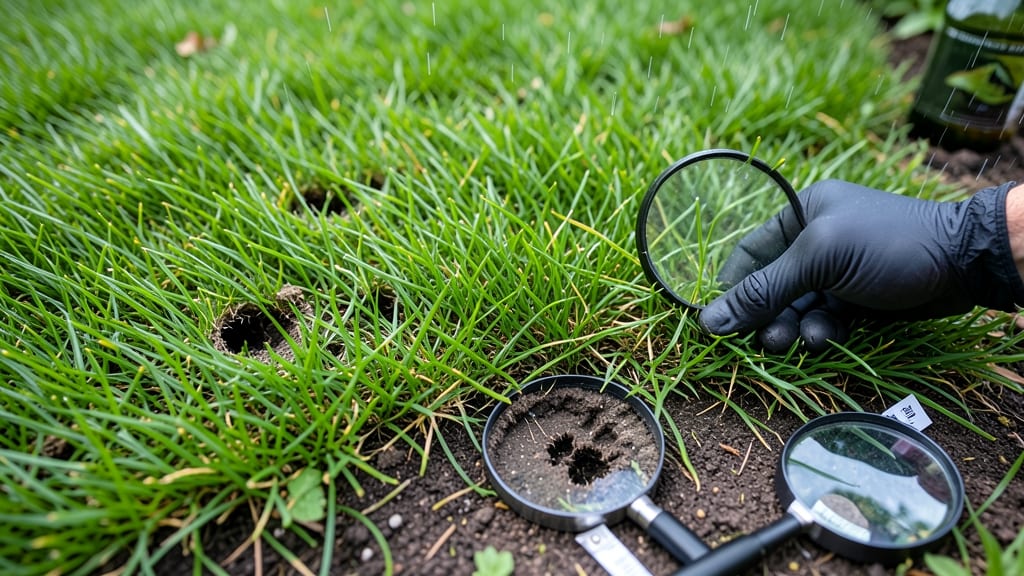
Seeing small holes in your lawn overnight in Australia? 🌱 Those tiny craters are usually moles—or their bandicoot cousins—digging up your turf for grubs. I’ve spent three summers tracking these nocturnal troublemakers, and I’ve learned which traps actually work (and which just annoy the pests). The first clue?
Fresh mounds of dirt near the holes, often in damp patches where grubs love to hide. Moles create neat, shallow tunnels, while bandicoots leave deeper, irregular divots. Spring and autumn are peak digging seasons here, so act fast before the damage spreads.
You’ll stop the destruction with humane traps (like the Havahart model) or castor oil-based repellents that make soil taste bad. For prevention, aerate your lawn in summer to expose grubs—moles’ favorite snack—and keep the grass thick so they lose interest.
Works for suburban backyards, sports fields, or even small front lawns. Here’s how to outsmart them for good.
The Real Culprits Behind Nighttime Lawn Damage
Waking up to a lawn dotted with mysterious small holes can feel like a puzzle—especially when it happens overnight! 🕵️♂️ In Australia, several sneaky critters and environmental factors could be to blame.
Below, we break down the most common causes, backed by science, so you can identify the culprit and take action.
Moles are the most notorious culprits behind overnight lawn holes. These subterranean diggers create tunnels while searching for grubs, worms, and insects. Their feeding habits leave behind telltale signs:
- Surface mounds: Fresh soil pushed up from tunnels (often near holes).
- Holes in straight lines: Moles follow tunnels, creating a "railroad track" effect.
- No plant damage: Unlike other pests, moles rarely eat grass—they’re after the soil’s inhabitants.
Why it happens: Moles thrive in moist, well-drained soil (common in Australia’s temperate and subtropical regions). Their activity peaks after rain or when grubs are abundant. If your lawn is lush and healthy, it’s an all-you-can-eat buffet for them!
While not the holes’ direct creators, grubs (larvae of beetles like the African Black Beetle) attract moles—and their activity weakens grass roots. But grubs themselves can also cause holes when:
- Birds or skinks dig them up: Native birds like magpies and currawongs probe the soil for grubs, creating scattered holes.
- Lawn aeration mimics damage: If grubs are present, aerating can dislodge them, leaving behind irregular holes.
Why it happens: Grubs thrive in warm, moist soil (ideal in Australia’s summer). Overwatering or excessive nitrogen fertiliser can make your lawn a grubs’ paradise. Weakened grass roots make it easier for birds or moles to dig.
Australia’s native bandicoots, echidnas, and even introduced species like rabbits can create holes while foraging for food or shelter. Unlike moles, their holes are often:
- Larger and shallower (bandicoots: ~5cm wide; rabbits: ~10cm deep).
- Scattered randomly (no tunnel patterns).
- Accompanied by chewed plants (bandicoots eat roots; rabbits clip grass).
Why it happens: Bandicoots prefer open lawns with easy access to grubs and insects. Rabbits dig burrows for shade or nesting, especially in dry conditions. Urban sprawl reduces their natural habitats, pushing them into gardens.
Not all holes are made by animals! Soil compaction or fungal infections (like Rhizoctonia) can cause grass to die in patches, leaving small gaps. Look for:
- Yellowing or thinning grass around holes (not just bare soil).
- Spongy or sunken spots (signs of root rot).
- No fresh soil mounds (unlike animal digging).
Why it happens: Heavy foot traffic, clay soils, or poor drainage compact the soil, suffocating roots. Fungal infections thrive in humid conditions (common in Australia’s coastal areas). Weak roots can’t support the grass, leading to die-off and holes.
Pro Tip: 🔍 Spot the difference: Run your hand over the hole’s edge. Animal holes have smooth, defined edges (from digging), while fungal/root damage leaves frayed, dead grass strands.
How to solve it
Waking up to small holes in your lawn overnight can be frustrating, but don’t panic—most causes have simple, effective solutions. Whether it’s critters, weather, or pests, here’s how to tackle the problem step by step.
Start by identifying the root cause (from the previous section), then follow the tailored fixes below. Prevention tips are included to keep your lawn hole-free long-term!
🐭🌱 Moles or Other Burrowing Pests
If moles, grubs, or other critters are the culprits, they’re likely tunneling beneath your lawn. Here’s how to evict them and discourage future visits:
- 🔥 Install Humane Traps: Use castor oil-based repellents or commercial mole traps (like scissor traps) placed along active tunnels. Set them in the evening when moles are most active.
- 🍳 Castor Oil Spray: Mix 1 part castor oil with 3 parts water and spray it around the lawn perimeter and holes. The strong scent repels moles naturally.
- 👨🍳 Block Entry Points: Fill tunnels with sand or diatomaceous earth (food-grade only) to deter digging. Avoid harmful chemicals—they can harm pets and plants.
- ⏰ Professional Help: If the infestation persists, contact a local pest control service. They can offer targeted solutions like ultrasonic repellents or professional trapping.
💡 Pro Tip: Keep your lawn well-watered and aerated—moles prefer soft, easy-to-dig soil. A thick, healthy lawn makes it harder for them to tunnel.
🌧️🌱 Weather-Related Damage
Heavy rain, hail, or drought can leave your lawn vulnerable to erosion and small holes. Here’s how to restore it:
- 🔥 Rake and Level: Gently rake the affected areas to remove debris and smooth out uneven spots. This helps water drain properly and prevents further erosion.
- 🌱 Overseed Bare Patches: Sprinkle grass seed over the holes and lightly cover with soil. Water gently to encourage germination. Choose drought-resistant grass varieties if your area gets little rain.
- 💧 Improve Drainage: If water pools in certain spots, consider installing a French drain or adding compost to improve soil structure.
- 🌡️ Protect from Hail: After a hailstorm, inspect your lawn for damaged blades. Mow slightly higher to shield new growth and apply a light layer of mulch to protect soil.
🎯 Prevention Tip: Test your soil’s drainage with a simple percolation test—dig a 30cm hole, fill it with water, and time how long it takes to drain. Ideal drainage should take 4–6 hours.
🐜🌿 Insects or Grubs
Grubs, ants, or other insects can create small holes as they feed on roots or nest underground. Here’s how to eliminate them:
- 🔪 Apply Grub Control: Use nematodes (microscopic worms) or insecticidal soap to target grubs. Follow package instructions for application rates.
- 🌱 Encourage Natural Predators: Birds, toads, and ground beetles eat grubs. Create a wildlife-friendly yard with birdhouses, shallow water sources, and native plants.
- 🍳 DIY Ant Bait: For ant mounds, mix equal parts borax and sugar with water to create bait. Place it near the holes—ants will carry it back to the colony, eliminating them.
- ✨ Aerate the Lawn: Aeration loosens compacted soil, making it harder for insects to tunnel. Do this in spring or fall for best results.
💡 Pro Tip: Avoid overwatering—soggy soil attracts grubs. Water deeply but infrequently to keep roots healthy without inviting pests.
🛠️ General Lawn Care Fixes
Regardless of the cause, these universal tips will help repair and prevent future damage:
- 🔥 Patch Repair: For small holes, mix topsoil with compost and fill them in. Press down lightly and water thoroughly.
- 🌱 Fertilize Smartly: Use a slow-release, balanced fertilizer to strengthen grass roots. Avoid nitrogen-heavy fertilizers, which can attract pests.
- 🌡️ Mow High: Set your mower to 7–10cm to shade soil and retain moisture, reducing erosion and pest access.
- 🌿 Mulch Strategically: Spread a thin layer of mulch (like straw or wood chips) over bare spots to protect soil and retain moisture.
🎯 Long-Term Prevention: Regularly inspect your lawn for early signs of damage. Address issues like thatch buildup or poor drainage before they lead to holes.
Frequently asked questions
Are those small holes in my lawn really moles?
Not always! While moles create neat, shallow holes with fresh soil mounds, bandicoots leave larger, irregular divots (often with chewed grass). Check for tunnel patterns—moles dig straight lines, while native animals like echidnas make random holes. If you see no tunnels but scattered holes, birds or skinks might be digging for grubs.
Will castor oil really keep moles away?
Yes, but it takes consistency! Mix 1 part castor oil with 3 parts water and spray it around holes and lawn edges every 2-3 weeks. The strong scent disrupts moles' sense of smell, making your lawn less appealing. For best results, combine it with aerating your lawn—moles hate firm soil.
Why do I see more holes after rain?
Rain triggers a double problem! First, it softens soil, making it easier for moles to tunnel. Second, wet conditions attract grubs (their favorite snack), which brings moles to your yard. After heavy rain, check for fresh mounds—this confirms active digging. Water your lawn deeply but less frequently to reduce grubs.
Can I use poison to get rid of moles?
We don’t recommend it. Chemical poisons can harm pets, native wildlife, and even your lawn’s ecosystem. Instead, try humane traps (like scissor traps) or castor oil repellents. If you must use chemicals, opt for targeted mole-specific granules—but always follow safety guidelines and keep children/pets away.
How do I know if my lawn holes are from grubs or moles?
Check the edges! Mole holes have smooth, defined edges from digging, while grub damage often leaves irregular gaps with dead grass strands. Dig up a small patch—if you find white, C-shaped grubs (1-2cm long), they’re the culprit. Moles leave no visible damage except tunnels and mounds.