
Fertilization
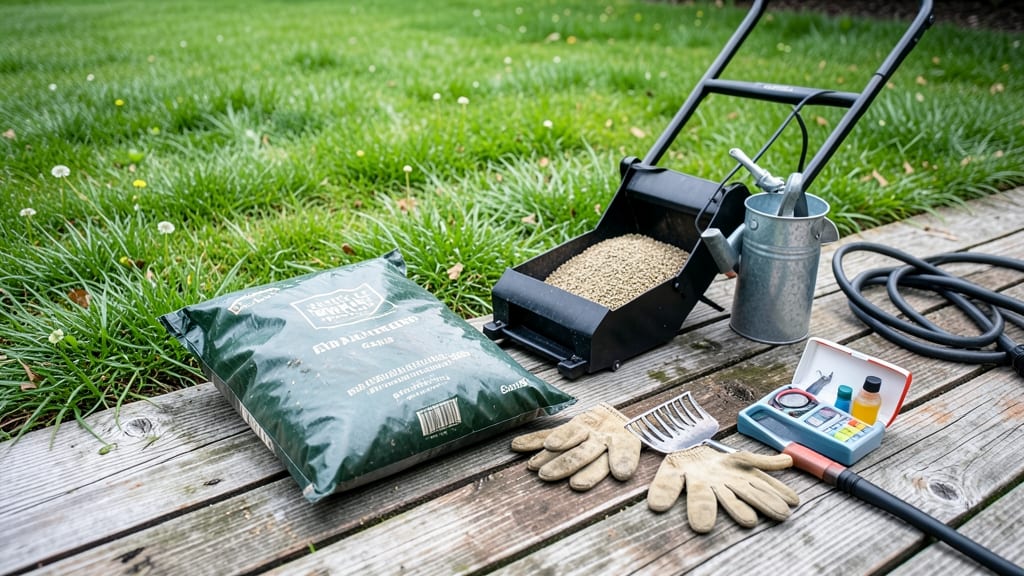
To fertilize lawn in summer without burning your 🌱 or wasting nutrients, time it right—early morning or late afternoon when temperatures dip below 85°F.
Summer heat can turn your lawn from lush green to crispy brown—unless you fertilize at the perfect times. But when exactly should you feed your grass without scorching it or wasting money?
Most lawns need a light feeding in early summer (June) to support growth, but skip heavy applications when temperatures soar. Slow-release fertilizers are your best bet—they prevent nutrient overload while keeping your grass hydrated.
Here’s the exact schedule to follow, plus how to spot overuse before it’s too late. Let’s keep your lawn thriving without the guesswork.

Best summer fertilization times for lawn health (heat-resistant schedule)
Summer lawn care can feel like walking a tightrope—too much fertilizer burns your grass, but too little leaves it weak and patchy. The key is timing: applying nutrients when your lawn can absorb them efficiently without stress.
I’ve learned that early morning or late afternoon are the safest windows, but temperature matters just as much as the clock.
Grass roots struggle to absorb nutrients when soil temps exceed 85°F. At that point, even the best fertilizer becomes a liability, causing leaf burn or root shock. My rule of thumb? Wait until mid-morning after the dew lifts but before 10 AM, when temps are still mild.
This gives your lawn a 6-8 hour window to soak up nutrients before the afternoon heat sets in.
Here’s the heat-resistant schedule I follow for summer fertilization, broken down by month and condition:
| Month | Best Time to Fertilize | Temperature Threshold | Ideal Conditions | Notes |
|---|---|---|---|---|
| June | Early morning (5-8 AM) | Below 80°F | After light rain or irrigation | First summer feeding—use slow-release fertilizer |
| July | Late afternoon (4-6 PM) | Below 85°F | Post-watering (1 inch) | Avoid midday—grass is heat-stressed |
| August | Early morning (6-9 AM) | Below 82°F | After evening rain | Light feeding only—roots are recovering from drought |
| September | Early morning (5-7 AM) | Below 78°F | Before temperatures drop | Prep for fall growth—higher potassium ratio |
Pro tip: Always water deeply before and after fertilizing to help nutrients penetrate the soil. I use a soaker hose set to 1 inch of water—this mimics natural rain and prevents fertilizer from sitting on the surface, where it can burn blades.
For drought-prone areas, I’ll even water twice: once before applying fertilizer and again 24 hours later.
One summer, I made the mistake of fertilizing at noon when temps hit 92°F. Within 48 hours, my Kentucky bluegrass showed brown tips—a classic sign of fertilizer burn.
Lesson learned: Never fertilize when the sun is strongest. Instead, I now check the National Weather Service for heat advisories and adjust my schedule accordingly.
If you’re in a hotter climate (Zones 9-11), shift your fertilization to early spring and fall entirely. Summer in these regions is simply too intense for grass to handle heavy feedings.
For cooler areas (Zones 3-6), you can stick to the summer schedule but reduce nitrogen by half to avoid overstimulating growth during peak heat.
Finally, watch for post-rain windows. If a storm rolls through, wait 24 hours before fertilizing to let the soil settle. Wet grass is more susceptible to damage, and fertilizer can wash away before roots absorb it.
I’ve found that Tuesday mornings after weekend rains are my sweet spot for application—fewer neighbors are outside, and the forecast is usually reliable.
Your lawn’s health depends on more than just fertilizer—it’s about strategic timing, temperature awareness, and post-application care. By following this schedule, you’ll keep your grass green, resilient, and heat-resistant all summer long. 🌱
Summer fertilizer types that won’t shock your lawn (slow-release vs quick-acting)
Summer’s scorching temperatures can stress your lawn, making fertilizer choices even more critical. The wrong type can burn grass roots or waste nutrients, while the right one keeps your lawn thriving. Let’s break down the best organic vs synthetic options and how their nitrogen release rates impact heat tolerance.
Quick-acting fertilizers deliver immediate green-up results but risk overloading roots in heat. Slow-release options provide steady nutrition without shocking your grass. For summer, I recommend low-nitrogen, slow-release formulas (like 16-4-8) to avoid heat stress while supporting gradual growth.
🌱 Quick-Acting Fertilizers
Pros
- Fast results (green-up in days)
- Ideal for early summer (May-June)
- Budget-friendly for quick fixes
Cons
- Risk of burning roots in heat
- Short-term boost only
- Requires frequent reapplication
🌿 Slow-Release Fertilizers
Pros
- Steady nutrient flow (3-6 months)
- Reduces heat stress on roots
- Better for late summer (July-August)
Cons
- Slower visible results
- Higher upfront cost
- Less control over immediate growth
For organic options, composted manure or fish emulsion adds micronutrients like iron and zinc, which help grass recover from heat stress. Synthetic slow-release granules (like polymer-coated urea) are my go-to for consistent performance without the mess.
Always pair fertilizer with deep watering (1 inch) to help roots absorb nutrients. Avoid fertilizing when temps exceed 85°F—even the best products can harm grass in extreme heat.
Pro tip: Test your soil first! A soil test reveals if your lawn needs more nitrogen, phosphorus, or potassium. Many summer lawns suffer from potassium deficiency, which weakens drought resistance.
Remember, less is more in summer. A light feeding every 6-8 weeks keeps your lawn healthy without overwhelming it during peak heat. 🌱