
Lawn
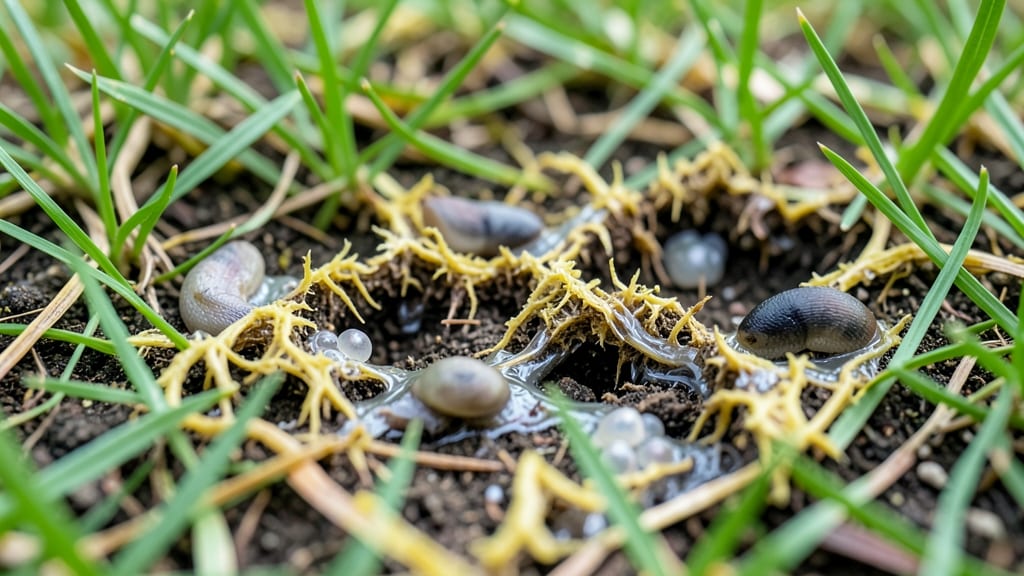
Boiling water poured directly on slugs and grubs delivers instant results in tackling a slug infestation on the lawn—no waiting for slow-acting remedies. 🌱 I’ve used this method after finding my hostas shredded overnight, and it’s the fastest way to stop an active infestation before it spreads.
The key is timing: apply it at dusk when slugs are most active, and you’ll see them retreat within minutes.
This technique targets both adult slugs and their hidden grubs in the soil, unlike surface treatments that miss what’s underground. You’ll need a kettle or pot of boiling water, a long-handled spoon for precision, and a little patience to spot their hiding spots under mulch or leaves.
It’s eco-friendly because it doesn’t introduce chemicals to your lawn ecosystem.
What you’ll achieve is a visible reduction in slug activity within 24 hours, with no lingering residue to harm pets or plants. The method works best in small to medium lawns where you can manually treat problem areas, and it’s especially effective after rain when slugs are most active.
For larger areas or recurring issues, combine this with copper barriers or diatomaceous earth for long-term prevention. The boiling water technique is just the first step—here’s how to create a slug-proof lawn for good.
Root Causes of Lawn Slugs
Slugs don’t just appear—they’re drawn to your lawn for specific reasons, often tied to moisture, food, and shelter. Understanding these triggers is key to stopping an infestation before it starts. Let’s break down the science behind why your lawn becomes a slug buffet.
Slugs thrive in high humidity and standing water because their soft, permeable bodies lose moisture quickly in dry air. Here’s why your lawn might be their perfect wetland:
- Poor Drainage: Clay-heavy soils or compacted grass hold water like a sponge. Slugs love these soggy spots, especially after rain or overwatering. - Actionable fix: Test your soil’s drainage by digging a 6-inch hole, filling it with water, and timing how long it takes to drain.
If it’s slower than 6 hours, amend with sand or organic matter (like compost) to improve aeration. - Morning Dew & Shade: Slugs are nocturnal and feed at night when dew lingers.
Shady lawns dry out slower, creating ideal slug real estate. - Pro tip: 💡 Mow high (3–4 inches) to encourage airflow and reduce dew retention in grass blades. - Irrigation Habits: Watering in the evening keeps lawns damp overnight—slugs’ dream scenario.
Early morning watering (before 10 AM) lets surfaces dry by night.
Slugs are herbivorous opportunists, and lush lawns with tender plants are all-you-can-eat buffets.
They target: - Young, Soft Grass: Newly seeded or overseeded lawns are slug magnets because tender shoots are easy to munch. - Decaying Organic Matter: Leaves, mulch, or grass clippings left on the lawn create hiding spots and snacks. - Example: A thick layer of shredded leaves under a shrub?
That’s a slug hotel with a free bar. - Weak or Stressed Grass: Drought, disease, or nutrient deficiencies make grass vulnerable. Slugs exploit weak spots, accelerating damage. - Fix: Conduct a soil test to check pH and nutrient levels.
Aim for a pH of 6.0–7.0 and fertilize with slow-release nitrogen to strengthen grass roots.
In a healthy ecosystem, slugs are kept in check by predators like:
- Birds (robins, thrushes)
- Ground beetles
- Frogs and toads
- Earthworms (which compete for food)
But if your lawn lacks biodiversity—thanks to pesticides, monoculture grass, or habitat destruction—slugs multiply unchecked. Chemical pesticides can wipe out both slugs and their predators, creating a vacuum that leads to worse infestations later.
Slugs need moist, shaded hiding places during the day to avoid drying out.
Common culprits in lawns: - Thatch Buildup: A thick layer of dead grass and roots (over ½ inch) traps moisture and provides slug highways. - Solution: Dethatch in early fall or spring using a rake or verticutter. - Rocks, Wood, or Debris: Piles of mulch, bark, or even a single overturned flowerpot create slug condos. - Dense Ground Cover: Hostas, ivy, or creeping charlie provide both food and shelter.
Slugs will migrate to your lawn from these plants. - Strategy: Replace slug-friendly plants with drought-tolerant or aromatic options (like lavender or thyme), which slugs avoid.
Slugs are more active during:
- Spring and Fall: Cool, damp weather is ideal for their reproduction and feeding.
- After Heavy Rain: Sudden downpours wash eggs and young slugs into lawns, creating a population boom.
- Warmer Nights: Slugs become active when temperatures hover between 50–75°F—perfect for nighttime grazing.
Sometimes, well-meaning lawn care makes things worse:
- Overwatering: Keeps lawns perpetually damp, extending slug activity.
- Using Slug Baits Improperly: Iron phosphate baits can attract slugs to your yard if overused, leading to larger gatherings.
- Ignoring Early Signs: Small holes in leaves or silvery slime trails are red flags—address them before the infestation explodes.
Key Takeaway: Slugs don’t invade randomly—they’re following environmental cues. By addressing moisture, food, shelter, and predator balance, you can make your lawn less appealing to them. The next step? [Learn how to use boiling water to target grubs before they become a slug superhighway.](link-to-next-section)
How to Fix Slug Damage Fast
Slugs may turn your lawn into a slimy, chewed-up mess, but don’t worry—there are effective, eco-friendly, and fast-acting solutions to reclaim your green space. Below, we’ll break down the top causes of slug infestations and match them with practical fixes, plus prevention tips to keep your lawn slug-free long-term.
Cause: Slugs thrive in damp, shaded areas where moisture lingers. Fix:
- 🍳 Improve Drainage: Rake soil to break up compacted areas, or add coarse sand or perlite to heavy clay soil.
- ☀️ Increase Sunlight: Trim overgrown grass or shrubs to expose more lawn to sunlight, which naturally dries out the soil.
- 💡 Pro Tip: Water early in the morning (before 10 AM) to reduce evening dampness—slugs are most active at night.
Cause: Slugs hide under mulch, leaves, and wood chips, feeding on decaying matter. Fix:
- 👨🍳 Remove Hideouts: Rake up leaf litter, fallen branches, and thick mulch layers (keep mulch 2-3 inches deep max).
- 🥘 DIY Beer Traps: Bury a shallow dish filled with beer near slug hotspots—they’ll crawl in and drown. Refresh every 2-3 days.
- ✨ Alternative Traps: Use garden-safe slug baits (like iron phosphate) or copper tape around borders (gives them a mild electric shock).
Cause: Frequent watering (especially at night) creates a slug paradise. Fix:
- ⏰ Water Smart: Switch to deep, infrequent watering (1-2 times per week) instead of daily light sprinkles.
- 🔥 Fix Leaky Sprinklers: Check for overwatered spots where slugs gather—repair or adjust sprinkler heads.
- 🌡️ Soil Test: If your lawn stays soggy, consider soil amendments (like compost or gypsum) to improve absorption.
Cause: Slugs love tender new shoots and stressed plants. Fix:
- 💪 Boost Plant Health: Fertilize with slow-release, balanced fertilizer (high nitrogen for grass recovery).
- 🥗 Protect Sensitive Areas: Cover seedling beds with floating row covers or diatomaceous earth (food-grade only).
- 🎯 Targeted Sprays: Use neem oil spray (mildly repellent) or garlic/chili pepper spray (homemade deterrent).
Cause: Slugs are nocturnal and multiply fast in warm, humid weather. Fix:
- 🍳 Handpick at Night: Shine a flashlight after dark—collect slugs in a bucket of soapy water.
- 🥘 Boiling Water Trick (Fast Kill): Pour boiling water directly on slug trails or hiding spots (instantly kills them and eggs).
- 🌿 Egg Barriers: Crush eggshells or coffee grounds into a 1-inch ring around plants—slugs avoid the sharp texture.
To stop slugs before they start, follow these easy habits: ✅ Mow high (3-4 inches) to shade soil and deter slugs. ✅ Aerate compacted soil annually for better drainage. ✅ Encourage predators—birds, frogs, and ground beetles love slugs! ✅ Rotate treatments to avoid resistance (combine traps, barriers, and organic sprays). ✅ Inspect after rain—slugs become active within 24 hours of moisture.
💡 Final Tip: Combine 2-3 methods for best results. For example:
- Drain + Beer Traps + Copper Tape = A slug-free lawn in 1-2 weeks!
Slugs may be sneaky, but with these targeted fixes, your lawn will bounce back faster than you think. 🚀
Frequently asked questions
Why does boiling water work better than other slug treatments?
Boiling water delivers an instant kill by targeting both adult slugs and their hidden grubs in the soil. Unlike chemical baits or traps, it works immediately on contact without lingering residues that can harm pets or beneficial insects. The heat disrupts their slimy mucus layer, making them vulnerable.
Is boiling water safe for my lawn after treatment?
Yes, once the water cools, it won’t harm your grass or soil. The method is eco-friendly because it doesn’t introduce chemicals. Just avoid pouring it on delicate plants or newly seeded areas. The key is precision—target only slug hotspots under mulch or leaves where they hide.
What’s the best time of day to use boiling water for slugs?
Apply it at dusk when slugs are most active and crawling above ground. They’ll retreat immediately when they sense the heat. Early morning also works, but you’ll see fewer slugs active. Avoid daytime—slugs hide in shade or soil during the heat.
Will boiling water kill slug eggs in the soil?
Yes, but only if you pour it directly onto the affected soil where eggs are laid (usually near mulch or damp areas). For deeper eggs, combine this with diatomaceous earth or copper tape barriers to prevent hatching. Repeat treatments after rain, as eggs wash to the surface.
How often should I repeat boiling water treatments?
After the initial treatment, check your lawn every 3-5 days for new slug activity. Repeat boiling water on fresh trails or hiding spots, especially after rain. For severe infestations, combine it with copper barriers or beer traps to break their life cycle faster. Consistency is key!