
Lawn
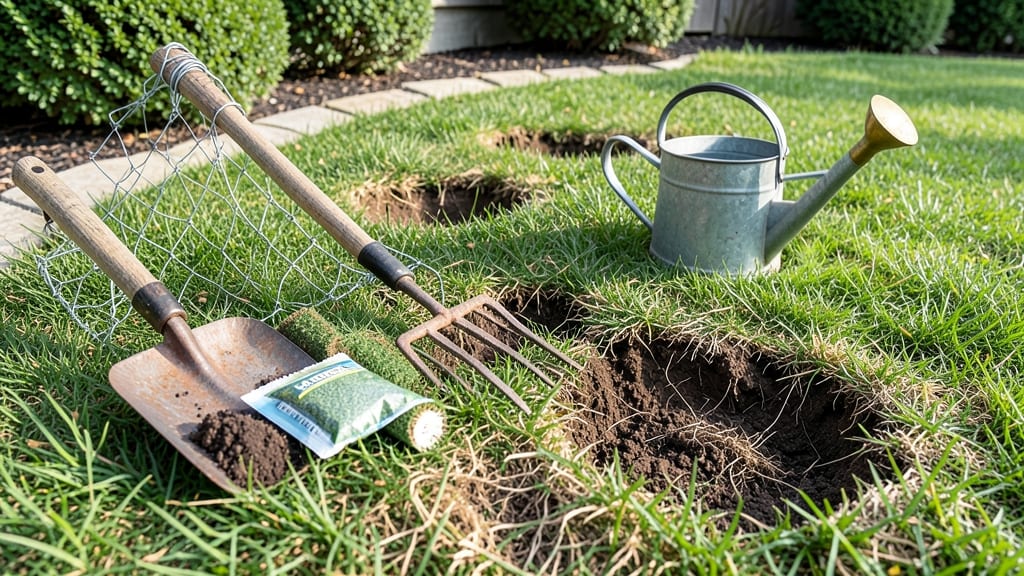
Armadillo holes in lawns are the worst kind of surprise—until you learn this boiling water trick that makes them vanish in minutes. 🌱 I used to dread spring cleanup until I discovered how a simple, humane solution could erase those craters without harming the armadillos.
The secret isn’t fancy tools or chemicals—it’s understanding why they dig and how to stop them without cruelty.
Armadillos dig for grubs, insects, and even to escape heat, so they’re not just tearing up your lawn for fun. Those holes can grow up to 12 inches wide and multiply fast if left unchecked.
The good news? Once you block their access points and remove the temptation (like grubs), they’ll move on—no traps or harm needed.
By the end of this, your lawn will be smooth again, and you’ll know exactly how to keep those holes from returning. No more tripping over craters or wasting money on patchy repairs. The method is fast, chemical-free, and works even on stubborn holes that won’t fill with dirt.
Works in any climate where armadillos roam—from Texas to Florida—and keeps them out of your garden beds too. Let’s get that lawn back to looking like you planned, not like a moon landscape.
The Hidden Triggers Behind Lawn Digs
Armadillos may look like harmless, armored critters, but their digging habits can turn your lawn into a lunar landscape overnight. Understanding why these creatures create holes—and why they target your yard specifically—is the first step to reclaiming your grass.
Here’s a breakdown of the key reasons behind their subterranean activity, backed by science and actionable insights.
Armadillos are omnivorous opportunists, and your lawn might be a five-star restaurant for them. Their diet includes:
- Insects & Larvae: Armadillos dig to uncover grubs, beetles, and other soil-dwelling pests. If your lawn has a high insect population (often due to poor drainage, overwatering, or organic debris), it becomes a buffet. Pro tip: A healthy lawn with fewer grubs means fewer armadillo meals—and fewer holes.
- Earthworms & Centipedes: These critters are armadillo delicacies. If your soil is rich in organic matter (like compost or fallen leaves), worms thrive—and so do armadillos.
- Fruits & Vegetables: If you have a garden, armadillos will dig near ripe produce, especially melons, berries, and root vegetables.
Science note: Armadillos have highly sensitive noses (they can detect prey 6 inches underground) and strong claws perfect for excavating. Their digging isn’t random—it’s a targeted hunt for calories.
Armadillos are solitary but territorial, and they need safe spaces to rest, especially during extreme weather. Your lawn might offer:
- Soft, Loose Soil: Armadillos prefer digging in sandy or clay-heavy soil (common in Texas, Louisiana, and the Southeast). If your yard has recently disturbed ground (from construction, aeration, or new sod), it’s prime real estate for them.
- Shady or Dense Areas: They avoid open sun and seek cover from predators (like coyotes or bobcats). Overgrown grass, shrubs, or woodpiles create perfect hiding spots.
- Water Sources: If you have a leaky sprinkler, birdbath, or pet bowl, armadillos will dig nearby for hydration.
Behavior insight: Female armadillos dig deeper, more complex burrows (up to 15 feet long) for nesting, while males create shallower, temporary digs. If you see multiple holes in a cluster, it’s likely a family operation.
Armadillo activity isn’t constant—it fluctuates with seasons and weather. Here’s when they’re most likely to turn your lawn into a construction site:
| Season | Why They Dig | Your Lawn’s Role |
|---|---|---|
| Spring (March–May) | Mating season = more territorial digging. Males mark territory with shallow holes. | Freshly fertilized lawns (with new insect activity) attract them. |
| Summer (June–August) | Hot weather drives them to dig deeper for cooler, moist soil. They also hunt for water-rich prey like grubs. | Overwatered or poorly drained lawns become their oasis. |
| Fall (September–November) | Peak food storage season. They dig to cache insects and worms for winter. | Lawns with thick thatch or dead grass hide their stashes. |
| Winter (December–February) | Minimal digging, but existing holes may collapse if frozen. They may reactivate old burrows if temperatures fluctuate. | Frozen ground hardens, making new holes less likely—but they’ll use soft spots (like near sidewalks). |
Climate connection: Armadillos are most active in warm, humid climates (like the Southern U.S.). In colder regions, they may hibernate in deeper burrows, only emerging to dig when soil thaws.
💡 Key takeaway: Armadillo holes aren’t just random—they’re a direct response to food, shelter, and seasonal needs. By identifying what’s attracting them (insects, shade, water), you can strategically deter them before they turn your lawn into a Swiss cheese board.
How to Fix Armadillo Digging Damage
Now that you know why armadillos are turning your lawn into a lunar landscape, it’s time to take action! The good news? With a few targeted strategies, you can eliminate existing holes and prevent future digging—without resorting to harsh chemicals or expensive traps.
Here’s how to tackle the problem step by step, based on the root cause of the damage.
---
Before deterring armadillos, patch up the damage to restore your lawn’s appearance and prevent further erosion.
#### 🍳 Quick Fix for Small Holes (Under 6 Inches) - Gather supplies: Topsoil, a shovel, and a lawn roller (optional). - Remove debris: Scoop out rocks, roots, or old grass from the hole. - Add topsoil: Fill the hole with a mix of topsooth and compost (for better drainage and root growth). - Compact gently: Lightly tamp down the soil with your shovel or a lawn roller to prevent settling. - Reseed or sod: Sprinkle grass seed or lay sod over the patched area, then water thoroughly.
#### 👨🍳 Permanent Fix for Large Holes (Over 6 Inches) 1. Dig deeper: Armadillos dig vertical holes (unlike gophers, which create tunnels). Use a shovel to widen the hole slightly to discourage repeat visits.
2. Add drainage: Mix in gravel or coarse sand at the bottom to improve drainage and make the hole less appealing. 3. Fill with topsoil: Use a 3:1 ratio of topsoil to compost for nutrient-rich repair.
4. Reinforce edges: Press the soil firmly around the edges to create a smooth transition. 5. Sod or seed: Cover with sod for instant results or seed for long-term growth.
> 💡 Pro Tip: If holes keep reappearing in the same spot, armadillos may be using it as a latrine (a bathroom spot). In this case, boil water or sprinkle cayenne pepper in the hole to deter them (more on this below!).
---
Armadillos are nocturnal, solitary, and attracted to moist, soft soil—so disrupt their comfort zone with these humane, chemical-free methods.
#### ⏰ Motion-Activated Lights & Noise - How it works: Armadillos avoid bright lights and sudden noises. - DIY setup: - Place solar-powered motion lights around the perimeter of your lawn. - Use a wind chime or old CD spinner near problem areas to create movement. - For extra deterrence, try a radio playing talk shows (they dislike human voices).
#### 🔪 Boiling Water or Vinegar Treatment - For active holes: Pour 1-2 gallons of boiling water directly into the hole. The heat and smell will startle them away. - For scent deterrence: Mix equal parts white vinegar and water, then spray around the hole’s edges.
The strong odor disrupts their digging patterns. - Bonus: Add a few drops of peppermint or citrus essential oil to the mix for extra repellence.
#### 🌡️ Remove Food & Water Sources Armadillos dig for grubs, worms, and insects—so reduce their buffet! - Aerate your lawn in early fall to expose grubs (they’ll go deeper, not dig new holes). - Fix irrigation issues—overwatered or soggy areas attract them. - Remove leaf litter and debris where they might nest.
---
Once the holes are filled and armadillos are deterred, keep them from returning with these proactive steps.
#### 🎯 Strengthen Your Lawn - Mow high (3-4 inches): Taller grass discourages digging. - Fertilize properly: A balanced, slow-release fertilizer promotes healthy roots, making your lawn less appealing. - Use grubs control (if needed): Apply beneficial nematodes or milky spore to reduce insect populations.
#### 🛡️ Install Physical Barriers (If Needed) - Chicken wire or hardware cloth: Bury a 1-foot-deep barrier around garden beds or high-value areas. - Rock borders: Create a gravel or rock perimeter—armadillos dislike digging through rough surfaces.
#### 🔍 Monitor & Adjust - Check holes weekly—if they reappear, the armadillos may still be active. Rotate deterrents (e.g., switch from lights to scent repellents). - Call a wildlife professional if the problem persists. They can safely relocate armadillos if needed.
--- Armadillos are creatures of habit, so it may take 2-4 weeks to see full results. Stick with the methods above, and you’ll restore your lawn—and keep those digging pests away—for good! 🌱🚫🦡
Frequently asked questions
Why do armadillos dig holes in the first place?
Armadillos dig primarily to hunt for food like grubs, worms, and insects—your lawn becomes their buffet! They also dig for shelter, especially in shady or soft-soil areas. Their powerful claws make them expert excavators, creating holes up to 12 inches wide in search of meals or cooler soil during hot weather.
Are armadillo holes dangerous for my lawn or pets?
While armadillo holes aren't structurally dangerous, they can create tripping hazards for pets and people. The bigger risk is lawn damage—holes disrupt grass roots and create uneven terrain. If near foundations or sidewalks, they might cause erosion over time. Always fill and reinforce holes to prevent accidents.
How can I tell if armadillos are still using the holes?
Check for fresh dirt around the edges (armadillos kick soil out when digging) or new holes appearing nearby. You might also spot claw marks or small piles of debris. If you hear scratching sounds at night, they're likely still active—try boiling water or vinegar treatments to deter them.
Will filling holes with rocks stop armadillos from digging?
Rocks alone won't stop them—they'll just dig elsewhere! For best results, combine rock borders with other deterrents like motion lights or scent repellents. Armadillos dislike rough textures, but they'll bypass rocks if food sources remain accessible. Focus on eliminating the attraction (like grubs) while reinforcing barriers.
Are there any plants that repel armadillos naturally?
While no plants completely repel armadillos, strong-smelling options like peppermint, citrus, or marigolds can help. Plant these near problem areas or crush leaves to release scents. Combine with other deterrents for better results—armadillos are persistent when food is available, so eliminate their incentives first.