
Lawn
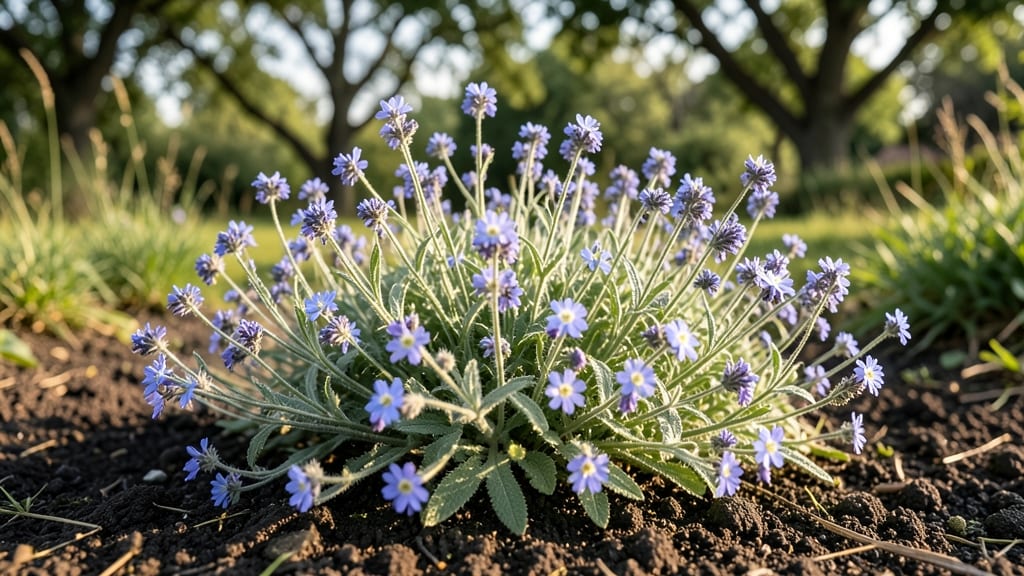
Corn speedwell in lawns isn’t just a weed—it’s a stubborn invader that spreads faster than you can say "spring cleanup."
I’ve spent years perfecting a method that eliminates it without harming your grass, and the key is precision: pull it when the soil is moist, grab the entire root, and repeat until it’s gone for good.
The difference between a patchy lawn and a lush carpet of grass often comes down to timing and technique.
This weed thrives in thin spots where grass struggles, so the first step is always repairing your lawn’s health. Overseed bare patches in early fall, water deeply but less frequently, and mow at the right height—corn speedwell can’t compete with thick, vigorous grass.
I’ve seen lawns transform from weed-riddled to nearly weed-free in just one growing season by focusing on these fundamentals first.
Once you’ve pulled every last plant (yes, check for regrowth), the real work begins: prevention. Apply a pre-emergent herbicide in early spring to block new seeds, and consider a post-emergent spray for stubborn survivors—but only if you’re willing to wait a few weeks for the lawn to recover.
The payoff? A lawn so dense that corn speedwell has nowhere to take root.
This method works year after year, but it requires consistency. The first year is the hardest—you’ll pull more than you think possible—but by the second season, you’ll notice fewer and fewer weeds creeping in.
The secret isn’t just the technique; it’s the commitment to a healthier lawn that outcompetes invaders naturally.
Root Causes Of Weed Spread
Corn speedwell (or Veronica arvensis) isn’t just a random lawn invader—it thrives because of specific conditions your yard might unintentionally provide. Understanding these triggers is the first step to stopping it before it takes over.
Let’s break down the science behind why this weed shows up and spreads like wildfire.
Corn speedwell loves to exploit lawns where grass struggles to grow. Here’s why:
- Compacted Soil: Heavy foot traffic, pets, or machinery compresses soil, reducing oxygen and water absorption. Grass roots suffocate, while speedwell’s shallow roots thrive in these low-oxygen zones. Test it: Press your thumb into the soil—if it springs back slowly, compaction is likely.
- Low Nutrient Levels: Speedwell flourishes in nutrient-poor soil because it grows quickly and reproduces prolifically. If your lawn lacks nitrogen, phosphorus, or potassium, grass weakens, leaving gaps for weeds to fill. Signs: Yellowing grass or slow regrowth after mowing.
- Improper pH Balance: Speedwell prefers slightly acidic to neutral soil (pH 6.0–7.5). If your lawn’s pH is off—too acidic (<5.5) or alkaline (>8.0)—grass struggles, but speedwell adapts. Fix it: Test your soil with a DIY kit (available at garden centers).
Actionable Fix: Aerate compacted areas in fall or spring, then top-dress with compost to improve soil structure and nutrients. Aim for a soil pH of 6.0–7.0 for optimal grass health.
Corn speedwell is a moisture opportunist—it doesn’t need much, but it will take advantage of inconsistent watering habits. Here’s how:
- Shallow Watering: Speedwell germinates near the surface where moisture lingers. If you water lightly (e.g., 5–10 minutes) or only when the topsoil is dry, you’re signaling to weeds: “This is a prime real estate spot!” Grass roots, however, need deep watering (1–1.5 inches per week) to compete.
- Overwatering: While speedwell isn’t drought-tolerant, it can handle brief dry spells better than some grasses. Overwatering washes away nutrients and encourages shallow root growth in grass, making it easier for weeds to invade.
- Drip Irrigation or Uneven Watering: Speedwell thrives in patches where water pools or drips concentrate. Check for sprinkler heads spraying against sidewalks or uneven terrain creating “wet zones.”
Actionable Fix:
- 💡 Water deeply and infrequently—aim for 1–1.5 inches per week, including rainfall.
- ⏰ Early morning (4–8 AM) is ideal to reduce evaporation and fungal risks.
- 🔧 Adjust sprinklers to avoid overspray on driveways or sidewalks.
Your mower isn’t just cutting grass—it’s either helping or hurting your lawn’s defense against speedwell. Here’s how:
- Cutting Too Short: Speedwell survives mowing better than grass because it grows low to the ground. If you scalp your lawn (<2 inches), you’re weakening grass and giving speedwell an advantage. Rule of thumb: Never remove more than ⅓ of the grass blade at once.
- Inconsistent Mowing Height: Speedwell thrives in uneven lawns where taller grass shades out competitors. If you mow at 3 inches one week and 1 inch the next, you’re creating a patchwork of weak and strong grass—perfect for weeds.
- Dull Mower Blades: A dull blade tears grass instead of cleanly cutting it, causing stress and brown tips. This invites disease and weeds. Test: If your grass looks shredded after mowing, sharpen those blades!
Actionable Fix:
- 🌿 Set your mower to 3–4 inches for cool-season grasses (like Kentucky bluegrass) or 2–3 inches for warm-season (like Bermuda).
- 🔪 Sharpen blades every 10–15 hours of use or when grass looks jagged.
- 📅 Mow regularly—never let grass grow more than ⅓ taller than your ideal height.
Speedwell often moves in after other problems have already weakened your lawn. Common culprits:
- Grubs or Insects: Grubs (larvae of beetles) chew grass roots, creating bare spots. Speedwell seeds land in these gaps and germinate quickly. Signs: Patchy brown areas that pull up easily like a rug.
- Fungal Diseases (e.g., Brown Patch, Dollar Spot): Fungi thrive in warm, humid conditions and kill grass in circular patterns. Speedwell fills these dead zones faster than grass can recover.
- Animal Damage: Rabbits, deer, or even pets can trample or graze grass, leaving open areas for weeds. Speedwell’s seeds are tiny (like dust!) and spread easily via wind or animal fur.
Actionable Fix:
- 🐜 Treat grubs with milky spore or beneficial nematodes in early summer.
- 🍄 Improve airflow with proper mowing height and avoid overhead watering at night.
- 🐇 Install fencing or use repellents to protect high-traffic areas.
Pro Tip: Speedwell spreads via seed (not roots), so removing it early prevents a 2024 takeover. Pull it before it flowers—each plant can produce up to 10,000 seeds! 🌱💥
Eliminate Corn Speedwell Naturally
Got Veronica agrestis creeping through your lawn? Don’t panic—this stubborn weed has a weakness. With the right approach, you can banish it for good while keeping your grass lush. Below, we break down the most effective fixes, tailored to why it’s showing up in the first place.
Plus, we’ll share pro tips to prevent it from staging a comeback.
Best for: Small infestations or spot treatments where precision matters.
Corn speedwell thrives in thin lawns, so the first step is to strengthen your turf—but while you’re waiting, pull it out before it seeds. Here’s how:
- ⏰ Timing is everything: Pull on a damp morning after rain (soil will loosen, making roots easier to remove). Avoid pulling when soil is dry—you’ll snap the weed instead of the root.
- 👨🍳 Grip and twist: Use a weeding tool or your fingers to grasp the weed just below the soil line. Twist sharply to break the taproot. Don’t leave any root fragments behind—they’ll regrow!
- 🌱 Fill the gap: After pulling, overseed the bare spot with dense, competitive grass (like fine fescue or ryegrass) to block sunlight and prevent regrowth.
Pro Tip: 💡 Mulch pulled weeds with a thick layer of newspaper or cardboard to smother any lingering seeds. Weight it down with a board for a few weeks.
Best for: Large patches where hand-pulling isn’t practical (but use cautiously—these methods can harm grass too!).
Corn speedwell hates high-sodium or acidic solutions. Here’s the DIY formula:
| Option | Mix | Application |
|---|---|---|
| 🔥 Vinegar Solution | 1 gallon white vinegar + 1 cup dish soap + 1 cup salt | Spray directly on weeds (avoid grass!). Reapply every 3–5 days until dead. Works best on sunny days—heat enhances effectiveness. |
| ❄️ Salt Solution | 1 lb non-iodized salt + 1 gallon water | Pour onto weeds (test on a small area first—salt can kill grass). Water thoroughly afterward to dilute soil. |
Caution: ⚠️ These methods are not selective—protect nearby plants with cardboard barriers or a spray shield. For lawns, spot-treat only.
Best for: Preventing future outbreaks in high-risk areas (like new lawns or bare soil).
If your lawn is thin or patchy, corn speedwell will exploit the opportunity. A pre-emergent herbicide creates a barrier that blocks seeds from germinating. Here’s how to use it right:
- ⏰ Apply in early spring: Once soil temps hit 55–60°F (usually March–April in most climates). This stops weed seeds before they sprout.
- 🌱 Choose the right product: Look for pendimethalin or prodiamine-based pre-emergents. Avoid post-emergent herbicides—they won’t stop seeds already in the soil.
- 💧 Water lightly after: A light sprinkle helps activate the herbicide. Avoid heavy watering for 24–48 hours.
Pro Tip: ✨ Combine with overseeding for a two-pronged attack: the herbicide blocks weeds, while new grass fills gaps.
Best for: Established infestations where pulling isn’t feasible.
If corn speedwell has already sprouted, you’ll need a selective post-emergent herbicide. The key is to target the weed without harming your lawn:
- 🔍 Identify the right active ingredient:
- 2,4-D + dicamba (e.g., Weed-B-Gon) – Works on broadleaf weeds but may harm clover or other broadleaf plants.
- Triclopyr (e.g., Ortho GroundClear) – More selective; safer for lawns but requires precise application.
- 🌿 Apply on a calm day: Wind can drift herbicide onto desirable plants. Use a shielded sprayer for accuracy.
- 🌧️ Water in lightly: Helps the herbicide absorb, but don’t drench—it can wash it away.
Warning: ⚠️ Always read the label! Some herbicides require multiple applications for stubborn weeds.
An ounce of prevention beats a pound of pulling. Once you’ve cleared the infestation, lock it down with these habits:
- 💪 Strengthen your turf:
- Mow high (3–4 inches) to shade out weeds.
- Fertilize in early spring and fall for dense growth.
- Water deeply 1–2 times per week (encourages deep roots).
- 🧹 Stay vigilant:
- Inspect your lawn weekly for new sprouts.
- Remove weeds before they seed (corn speedwell spreads fast!).
- 🚫 Avoid over-fertilizing: Too much nitrogen = weak grass = weed heaven. Test soil first!
Bonus Tip: 🌡️ Solarize bare spots in summer: Lay clear plastic over weedy areas for 4–6 weeks to bake seeds and roots.
Frequently asked questions
How can I tell if those tiny green weeds are actually corn speedwell?
Look for low-growing plants with small blue or white flowers and square stems. Corn speedwell leaves are oval with sawtoothed edges and grow in pairs along the stem. The key identifier? Its tiny blue flowers that appear in spring—unlike clover or dandelions, which have different flower shapes.
Will pulling corn speedwell work if I only get the top part?
No—you must remove the entire root to prevent regrowth. The weed’s taproot can fragment, and even a small piece left behind will sprout new plants. Use a weeding tool to dig 1–2 inches deep and twist to break the root cleanly. Check the soil for missed fragments after pulling.
Can I use vinegar to kill corn speedwell without harming my grass?
Vinegar works, but it’s not selective—it’ll kill grass too if applied carelessly. For spot treatment, mix 1 gallon white vinegar + 1 cup dish soap and apply only to weeds on a sunny day. Protect nearby grass with cardboard barriers. For lawns, vinegar is best used as a last-resort for stubborn patches.
How long until my lawn is corn speedwell-free after treatment?
With consistent effort, you’ll see 70% reduction in 4–6 weeks using the pull-and-prevent method. For chemical treatments, results vary—pre-emergents take 2–3 weeks to show effects, while post-emergents may need 2 applications spaced 7–10 days apart. The key is prevention: once gone, stay vigilant for new sprouts.
Why does corn speedwell keep coming back even after I treat it?
This usually means seeds are still in the soil or you missed some plants. Corn speedwell produces up to 10,000 seeds per plant, so even a few survivors can restart the cycle. Combine treatments: pull visible weeds, apply pre-emergent in spring, and overseed bare spots to block sunlight for new seeds.