
Lawn
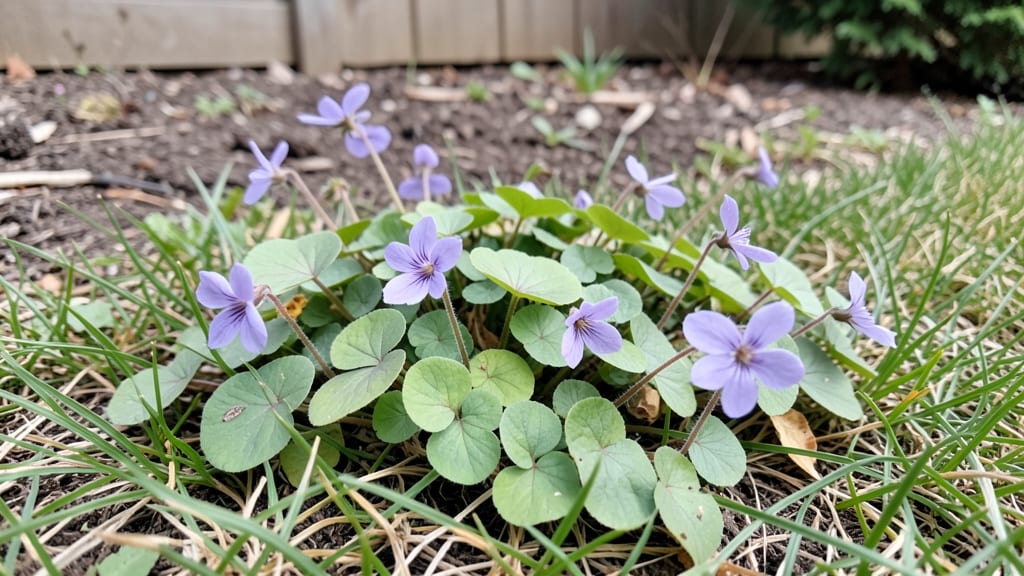
Those stubborn purple-flowered weeds popping up in your grass aren’t just unsightly—they’re stealing nutrients and crowding out your lawn. 🌿 I’ve battled clover, selfheal, and plantain in my own yard, and I’ll show you how to reclaim your lawn naturally, without harsh chemicals that harm kids and pets.
First, let’s get real about why these weeds appear: compacted soil, overwatering, or a lawn that’s too thin for grass to compete. The good news? A few targeted steps—like proper mowing height, overseeding bare spots, and spot-treating weeds with vinegar or corn gluten—can restore balance without sacrificing your lawn’s health.
By late summer, you’ll see thicker grass outcompeting those purple blooms, and your lawn will look fuller than ever. The key is consistency: tackle weeds early, improve soil health, and give your grass the edge it needs to thrive.
Works for any lawn type, from shady patches to sunny backyards. Let’s turn those weeds into a thing of the past—naturally.
Root Causes of Purple Blooms
Those vibrant purple flowers popping up in your grass aren’t just an eyesore—they’re a sign your lawn’s ecosystem is out of balance. Understanding why these weeds thrive helps you tackle the problem at its source.
Let’s break down the science behind their persistence and how your lawn might be inviting them in.
🌱 Poor Soil Conditions
Weeds like henbit, chickweed, or purple deadnettle love nutrient-poor, compacted, or acidic soil. Here’s why:
- Lack of organic matter: Healthy grass roots need rich, loamy soil packed with compost or decomposed plant material. When soil is depleted, weeds fill the gap—purple-flowered varieties often outcompete grass for sparse nutrients.
- Compacted soil: Heavy foot traffic, machinery, or clay-heavy soil crushes grass roots, leaving gaps for weeds to sprout. Compacted areas also drain poorly, creating soggy pockets where moisture-loving weeds thrive.
- Imbalanced pH: Purple-flowered weeds often favor acidic soil (pH < 6.0). If your grass struggles in low pH (like fescue or bluegrass), weeds like creeping Charlie take over. Test your soil—aim for a pH of 6.0–7.0 for most lawn grasses.
💡 Pro Tip: Conduct a DIY soil test (kits cost $10–$20) to check nutrient levels and pH. Amend with lime (to raise pH) or compost (to improve structure) before reseeding.
☀️ Lawn Stress from Environmental Factors
Grass under stress weakens its defenses, giving weeds like clover or dandelions (with purple-hued varieties) the upper hand. Common stressors include:
| Factor | How It Helps Weeds | Solution |
|---|---|---|
| Drought | Grass goes dormant, while deep-rooted weeds like purple loosestrife (if invasive) or oxalis thrive in dry conditions. | Water deeply 1–1.5 inches per week (early morning) and improve drainage. |
| Too Much Sun/Shade | Grass types mismatched to sunlight (e.g., shade-tolerant fescue in full sun) thin out, leaving space for sun-loving weeds like henbit. | Choose grass suited to your light conditions. |
| Extreme Heat/Cold | Sudden temperature swings shock grass roots, while hardy weeds like chickweed survive. | Mulch with 3–4 inches of straw in winter; use shade cloth in peak summer. |
⚠️ Watch Out: If your lawn has bare spots larger than a dinner plate, weeds will colonize within 7–10 days. Fill gaps with clover-free grass seed (weed seeds hitchhike in cheap mixes!).
⚕️ Overuse of Synthetic Chemicals
Ironically, harsh herbicides and fertilizers can create the conditions purple-flowered weeds love:
- Herbicide resistance: Weeds like purple nutsedge develop resistance to glyphosate (Roundup®), while grass weakens, leaving it vulnerable to other invaders.
- Fertilizer burn: Over-fertilizing (especially with high nitrogen) can kill grass roots, creating gaps for oxalis or creeping Charlie.
- Disrupted soil microbes: Chemicals kill beneficial fungi and bacteria that help grass outcompete weeds naturally.
🌿 Natural Fix: Swap synthetic chemicals for corn gluten meal (pre-emergent) or vinegar-based sprays (for spot treatment). For nutrients, use compost tea or seaweed extract to feed soil microbes.
🌱 Lawn Neglect and Improper Maintenance
Skipping basic lawn care creates the perfect purple weed paradise. Common oversights:
- Infrequent mowing: Tall grass blocks sunlight, encouraging shade-tolerant weeds like ground ivy (Glechoma hederacea).
- No dethatching: A thick thatch layer (over ½ inch) suffocates grass roots, while weeds like henbit thrive in the damp, shaded layer.
- Ignoring seed heads: Weeds like purple loosestrife spread via wind-dispersed seeds. Let them go to seed, and you’ll have a year-round infestation.
🔥 Quick Action:
- Mow weekly at 3–4 inches high to starve weeds of sunlight.
- Dethatch in spring using a rake or vertical mower.
- Pull weeds before they flower (gloves recommended—some, like stinging nettle, pack a punch!).
Natural Ways to Remove Purple Weeds
Now that you understand why those stubborn purple blooms pop up in your lawn, it’s time to tackle them effectively—without harsh chemicals. Below are targeted solutions based on the most common causes, from quick fixes to long-term prevention.
🌱 Overcrowded Grass? Thin It Out
Problem: Purple weeds thrive when grass is sparse or struggling. Fix:
- 🔥 Aerate first – Rent a core aerator or spike aerator to loosen compacted soil. Do this in early fall or spring when grass is actively growing.
- 👨🍳 Overseed bare spots – After aerating, spread high-quality grass seed (like Kentucky bluegrass or fescue) and cover lightly with compost or straw. Water deeply for 2–3 weeks.
- 🌡️ Adjust mowing height – Raise your mower blade to 3–4 inches to shade out weeds and encourage thick grass growth.
Prevention Tip: 💡 Test your soil every 2–3 years. Purple weeds often indicate low nitrogen or phosphorus—amend with organic fertilizer if needed.
☀️ Too Much Sun? Shade Them Out
Problem: Weeds like purple flowers (e.g., henbit or chickweed) love sunny, dry patches. Fix:
- 🍳 Mulch with grass clippings – After mowing, spread clippings evenly to block sunlight and retain moisture.
- 🌿 Plant shade-tolerant ground covers – Creeping thyme, clover, or moss can outcompete weeds in sunny areas.
- ⏰ Water deeply but less often – Encourage deep root growth in grass by watering 1–1.5 inches per week (early morning is best).
Prevention Tip: ✨ If your lawn has bare sun patches, consider shade-loving grasses like fine fescue.
💧 Poor Drainage? Fix the Soil
Problem: Wet or waterlogged soil creates the perfect home for weeds. Fix:
- 🔪 Improve drainage – Dig a 6-inch trench around the yard and fill it with gravel or sand. For severe cases, install a French drain.
- 🌡️ Use organic matter – Mix in 1–2 inches of compost or aged manure to improve soil structure and water retention.
- 🌱 Choose drought-tolerant grass – Switch to buffalo grass or tall fescue if your area has heavy clay soil.
Prevention Tip: 🎯 After heavy rain, check for puddles—if they last more than 24 hours, drainage is the issue.
🍄 Fungal or Pest Damage? Boost Lawn Health
Problem: Weak grass from grubs, fungus, or disease leaves gaps for weeds. Fix:
- 🔥 Treat grubs naturally – Apply milky spore powder (a bacteria that targets Japanese beetle grubs) in early summer.
- 🍳 Use fungicide alternatives – Spray a mix of 1 tbsp baking soda + 1 quart water + a few drops of dish soap on affected areas (reapply weekly).
- 🌿 Introduce beneficial nematodes – These microscopic worms eat grubs and other pests without harming your lawn.
Prevention Tip: 💡 Mow regularly to prevent fungal spores from spreading—never remove more than ⅓ of the grass blade at once.
🌿 Last Resort: Manual Removal (But Do It Right!)
If weeds are scattered and not widespread:
- 🔪 Pull by hand – Grab weeds at the base (where the root meets the soil) on a dry, sunny day. Use gloves!
- 🌱 Solarize small patches – Cover weeds with clear plastic for 4–6 weeks in hot weather to "cook" them out (works best in Zone 7+).
- 🍳 Vinegar spray (spot treat only!) – Mix 1 gallon vinegar + 1 oz dish soap and spray directly on weeds (avoid desirable plants—this kills everything it touches).
Prevention Tip: 🌡️ Never till weeds into the soil—this spreads seeds and encourages regrowth.
Final Reminder: Consistency is key! Purple weeds return if you don’t address the root cause (literally). Start with one fix, monitor progress, and adjust as needed. A healthy lawn is your best weed deterrent. 🚀
Frequently asked questions
How do I tell purple-flowered weeds apart from beneficial plants?
Start by examining the leaf shape and growth pattern. Weeds like henbit or selfheal often have square stems and opposite leaves, while clover has trifoliate leaves. Beneficial plants like white clover (which fixes nitrogen) have rounded, scalloped leaves. Always pull a suspect plant by its roots—if it’s deep-rooted and spreading aggressively, it’s likely a weed.
Are purple weeds harmful to my lawn?
While they’re not toxic, they compete with grass for nutrients and water, weakening your lawn over time. Some, like purple loosestrife, can spread rapidly and outcompete native plants. Addressing them early prevents them from taking over your yard.
What’s the best time of year to tackle purple weeds?
Spring and early fall are ideal—grass is actively growing, and weeds are easier to remove before they spread seeds. Avoid treating in late summer when weeds are stressed from heat, as they may regrow faster. For manual removal, dry, sunny days make it easier to pull weeds cleanly.
Can I use vinegar to kill purple weeds without harming my grass?
Vinegar works for spot treatment but can damage grass if overused. Use a 1:1 vinegar-to-water mix and apply only to weeds on a dry day. Always test a small patch first, and avoid spraying near desirable plants. For broader coverage, opt for corn gluten meal as a pre-emergent.
Why do purple weeds keep coming back even after I remove them?
If weeds persist, they’re likely regrowing from roots or seeds left in the soil. Focus on improving soil health with compost, aerating compacted areas, and overseeding bare spots. Also, check for underlying issues like poor drainage or overwatering, which encourage weed regrowth.