
Lawn
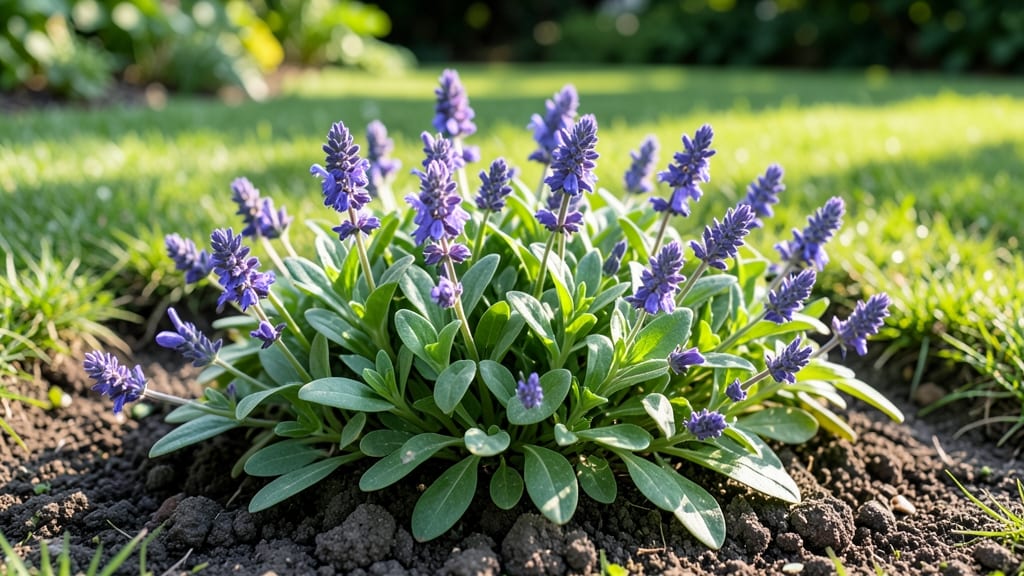
Those small purple flowers growing in your lawn aren’t weeds—they’re creeping phlox, nature’s unexpected ground cover. 🌸 I used to yank them out until I realized they're hardy, drought-tolerant, and spread faster than crabgrass. The real question isn't "how to remove" but "how to manage" them without killing your grass.
Creeping phlox thrives in sunny lawns and crowds out weeds naturally, but it can become aggressive. The secret is timing: pull or mow before they seed in late spring, or spot-treat with vinegar (5% acetic acid) for organic control.
For chemical options, pre-emergent herbicides work best in early spring before blooms appear.
You'll end up with a lawn that handles drought better while still looking green—just with occasional purple surprises. The trade-off? Less perfect manicured grass but more pollinators visiting your yard. I now let mine bloom in shady spots where grass struggles anyway.
Need a cleaner look? Replace phlox with clover or fine fescue instead—they're drought-tolerant too but won't turn your lawn into a wildflower meadow. Either way, you're winning against weeds while supporting local bees.
📚 In This Guide
- What you need
- Instructions
- Tips and common mistakes
- Wrapping up and next steps
What you need
- ● Creeping phlox plants or seeds: For transplants: 12–24 healthy nursery-grown plants (spaced 12–18 inches apart).
- ● For seeds: 1–2 packets of creeping phlox seeds (sow 1/8 inch deep).
- ● Well-draining garden soil: Amend with 1–2 inches of compost or organic matter (e.g., peat moss or coconut coir) if your soil is heavy clay.
- ● Balanced fertilizer (10-10-10 or 5-10-10): 1–2 tablespoons per plant at planting time.
- ○ Mulch (optional but recommended): 1–2 inches of pine straw, shredded bark, or straw to retain moisture and suppress weeds.
- ● Garden trowel or hand shovel
- ● Garden fork (for loosening soil)
- ● Pruners or shears (for trimming)
- ● Watering can or hose with a gentle spray nozzle
- ● Gloves (to protect your hands from thorns or rough soil)
- ● Measuring tape or ruler (for spacing plants)
- ● Wheelbarrow or bucket (for mixing soil amendments)
- ● Sunlight: Full sun (6+ hours daily) for best blooms.
- ● Water access: Drip irrigation or a hose for consistent moisture.
- ● pH level: Slightly acidic to neutral soil (pH 6.0–7.0). Test with a soil pH kit if unsure.
- ● Timing: Seeds: Plant in early spring (4–6 weeks before last frost).
- ● Transplants: Plant in spring or early fall for established roots.
- ● 🌡️ Choose the right variety: Pick creeping phlox suited to your climate (e.g., Phlox subulata for cold regions).
- ● ✨ Deadhead spent blooms: Trim flowers after they fade to encourage more blooms.
- ● 🔥 Avoid overwatering: Creeping phlox hates soggy roots—water deeply but infrequently.
How to cultivate creeping phlox as a lawn-friendly ground cover
This hardy perennial transforms dull lawns into carpets of color—here's how to establish it properly.
🌱 Step 1: Prepare the Soil for Optimal Growth
Creeping phlox thrives in well-draining soil with a pH between 6.0 and 7.0. Before planting, test your lawn's soil—most home tests cost under $10 and take 10 minutes. If your soil is heavy clay or compacted, mix in 2-3 inches of compost to improve aeration and fertility. I like to spread the compost evenly across the area and lightly rake it in.
Phlox roots spread aggressively, so avoid areas with existing turf—it competes for nutrients. Instead, choose sunlit patches where grass is sparse or use a landscape fabric under the plants to suppress weeds. The key is loosening the top 4-6 inches of soil to encourage root penetration. You'll know you've done it right when the soil crumbles easily between your fingers.
🌿 Step 2: Plant Creeping Phlox at the Right Time and Spacing
Plant in early spring or early fall when temperatures are mild (50-65°F). Dig holes 1 inch deeper than the root ball and 12-18 inches apart—this spacing gives phlox room to spread naturally. If you're planting from seed, sow in late fall for spring germination, as phlox seeds need cold stratification to break dormancy.
Gently remove plants from their containers and tease apart any circling roots. Place them in the holes so the crown sits just ½ inch below soil level—burying too deep causes rot, while planting too high leads to poor establishment. Water immediately after planting to settle the soil around the roots. You'll see the first flush of growth within 2-3 weeks if conditions are right.
☀️ Step 3: Provide Sunlight and Water for Establishment
Creeping phlox demands full sun (6+ hours daily) for best flowering. If your lawn has partial shade, expect smaller blooms and leggy growth. Once established, phlox is drought-tolerant, but young plants need 1 inch of water per week during their first growing season. Water deeply 2-3 times per week until new growth appears.
Mulch with 2 inches of shredded bark after planting to retain moisture and suppress weeds. Avoid thick mulch layers—phlox roots need air circulation. You'll notice the first purple blooms in late spring, typically 4-6 weeks after planting. Deadhead spent flowers to encourage a second bloom cycle in early summer—this simple step extends the flowering season by 3-4 weeks.
✂️ Step 4: Maintain and Control Spread
Phlox spreads via underground runners, so it naturally fills gaps over time. To keep it contained, trim back ⅓ of the foliage after flowering using clean, sharp shears. Cut just above the soil line to encourage dense, bushy growth. I do this in mid-summer when the plant has finished blooming for the season.
Fertilize lightly in early spring with a balanced 10-10-10 formula—too much nitrogen promotes leafy growth at the expense of flowers. Divide mature clumps every 3-4 years in early spring to rejuvenate vigor. Simply dig up sections of the plant, separate the runners, and replant. You'll know it's time to divide when flowering becomes sparse or the center dies out.
Tips & tricks for perfect creeping phlox ground cover
Creeping phlox thrives when you pay attention to these key details that most gardeners overlook.
Soil Test Timing: That 10-minute soil test is your foundation—don't rush it! Test in early spring before planting, and again in fall if your lawn has heavy clay. I've seen phlox struggle in unamended soil because the pH test revealed hidden acidity that needed lime adjustment. The goal is that perfect 6.0-7.0 range where roots can access nutrients efficiently.
Root Ball Prep: When planting, gently tease apart those circling roots in the root ball—this prevents girdling as the plant matures. I use my fingers to loosen the roots while keeping the root ball intact, then place it in the hole with the crown just ½ inch below soil level. This positioning prevents rot while ensuring stable establishment. The 2-3 week growth window mentioned in Step 2 starts from this careful planting.
Watering Strategy: Those first 4-6 weeks after planting are critical for root establishment. I set a rain gauge to track the 1 inch per week requirement, but I water in the morning to prevent fungal issues. The 2-3 times weekly deep watering ensures moisture reaches the roots without encouraging surface evaporation. Once established, you'll see how drought-tolerant phlox becomes—this is when you can ease up on watering.
Deadheading Technique: For that second bloom cycle, I use clean, sharp shears to snip spent flowers just above the first set of leaves. This encourages new growth from the base rather than the tips, which would create leggy plants. The 3-4 week extension you'll get comes from this simple pruning that redirects the plant's energy toward new blooms rather than seed production.
Pro Tips for Small Purple Flowers Growing In Lawn
- Creeping phlox thrives when you pay attention to these key details that most gardeners overlook.
- Soil Test Timing: That 10-minute soil test is your foundation—don't rush it!
- Root Ball Prep: When planting, gently tease apart those circling roots in the root ball—this prevents girdling as the plant matures.
Frequently asked questions
Got questions about those tiny purple blooms stealing your lawn’s spotlight? You’re not alone! Here are the most common queries about creeping phlox—plus quick, actionable answers to keep your yard thriving.
Are small purple flowers in my lawn actually creeping phlox?
Creeping phlox (Phlox subulata) has tiny, star-shaped purple flowers in early spring, grows low to the ground (3–6 inches tall), and spreads via creeping stems. If your lawn has other purple flowers (like clover or wild violets), they’ll likely have broader leaves or bloom later. Snap a photo and compare it to this guide!
When is the best time to plant creeping phlox for maximum blooms?
Plant creeping phlox in early fall or late winter (before new growth starts) for the best results. This gives roots time to establish before summer heat. If you’re adding it to an existing lawn, spring is fine—just water deeply after planting. Pro tip: Avoid planting in scorching summer months; roots can struggle to take hold.
How do I get rid of creeping phlox if I don’t want it in my lawn?
Creeping phlox is tough to eliminate, but persistence pays off! Try these steps:
- Hand-pull young plants (before they spread) in early spring.
- Apply vinegar-based herbicide (5% acetic acid) directly to leaves on sunny days—avoid spraying grass.
- For large patches, smother with cardboard/mulch for 3–4 months to block sunlight.
Warning: Avoid chemical herbicides near desirable plants—they can spread via roots!
Can creeping phlox survive in full sun or shade?
Creeping phlox thrives in full sun (6+ hours/day) but tolerates partial shade (especially in hot climates). In shady spots, blooms may be smaller or less vibrant. For best results:
- Sunny lawns: Water moderately (1 inch/week) to prevent drought stress.
- Shady areas: Amend soil with compost to improve drainage.
If your lawn is mostly shade, consider alternatives like bugleweed or heuchera.
Why are my creeping phlox flowers fading or dying early?
Early fade-out usually signals stress from overwatering, poor soil, or pests. Try this quick fix:
Issue
Solution
Overwatering
Let soil dry slightly between waterings; creeping phlox hates soggy roots.
Pests (slugs/snails)
Set out beer traps or apply diatomaceous earth around plants.
Poor soil
Add compost or slow-release fertilizer (low nitrogen) in early spring.
If blooms drop without wilting, it might be normal aging—creeping phlox often blooms for 3–4 weeks before resting.
Wrapping up and next steps
Discovering those adorable small purple flowers popping up in your lawn isn’t just a surprise—it’s nature’s way of adding charm and color! Creeping phlox isn’t just easy to grow; it’s a low-maintenance hero that thrives in sunny spots and even tough conditions.
Whether you’re drawn to its beauty or its practicality, this ground cover is a win-win for any yard.
Ready to transform your lawn? Start by clearing a small patch of grass, testing your soil, and planting those tiny purple wonders. With minimal effort, you’ll soon have a lush, vibrant carpet that blooms year after year. Happy gardening! 🌸✨