
Lawn
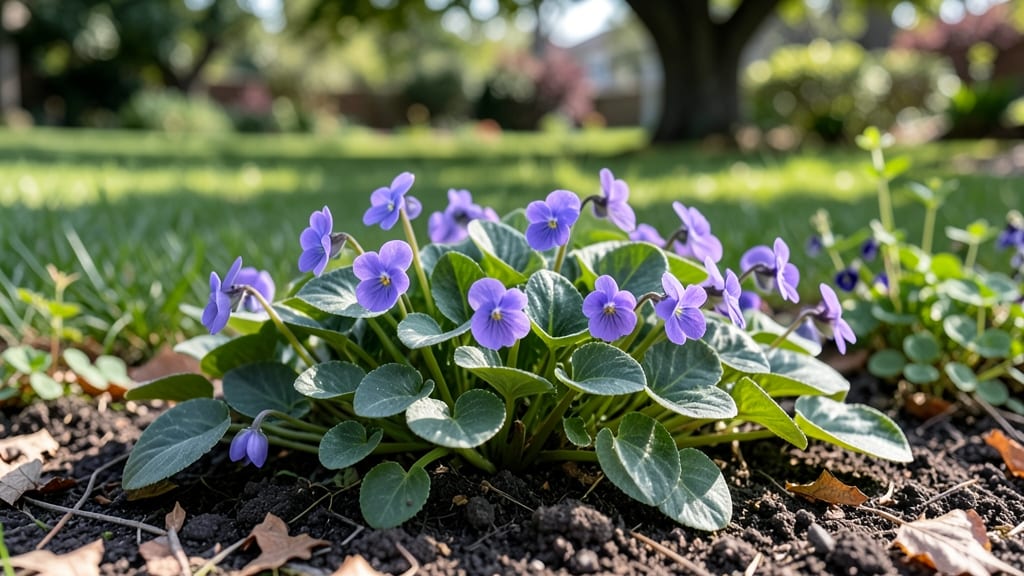
Your lawn could be a purple carpet instead of just green—those tiny purple flowers aren’t weeds, they’re nature’s ground cover. 🌿 I’ve turned my shady patches into pollinator magnets by letting creeping phlox and wild violets take over, and the difference is stunning (and easier than you’d think).
These plants thrive where grass struggles, filling gaps with color while supporting bees and butterflies.
The secret isn’t fighting them—it’s working with them. Scatter seeds in early spring or plant plugs in fall, then let them spread naturally. They’ll outcompete weeds, improve soil, and give you that "wildly beautiful" look without the mowing.
My shady lawn now blooms from April to October with almost no effort.
You’ll end up with a lawn that’s lush, low-maintenance, and alive with movement. The flowers attract beneficial insects, their roots prevent erosion, and the purple hues create contrast that makes your yard stand out. Best of all? They handle foot traffic better than many lawn grasses.
Works in full shade, partial sun, or even under trees. Whether you’re patching bare spots or redesigning your whole lawn, these tiny flowers deliver big results. Let’s get your yard blooming!
How Shade and Soil Spark Growth
Those delicate tiny purple flowers popping up in your lawn aren’t just a surprise—they’re nature’s way of telling you something about your yard’s conditions. While they may look charming, their sudden appearance is usually a reaction to specific environmental cues.
Let’s break down the science behind why these vibrant blooms choose your lawn as their home.
Most lawn grasses need full sun to thrive, but tiny purple flowers (like creeping phlox, wild violets, or clover) often flourish in shaded or partially shaded areas. Here’s why:
- Low Light Adaptation: These plants have evolved to photosynthesize efficiently in low-light conditions by developing broader leaves or shallow root systems that quickly absorb available sunlight. Unlike turfgrass, which struggles in shade, they compete aggressively for space.
- Thin or Patchy Grass: If your lawn has bare spots or weak grass (due to foot traffic, drought, or poor soil), these flowers fill the gaps. They germinate easily in disturbed soil, where sunlight finally reaches the ground.
- Tree Canopy Effect: Mature trees cast dappled shade, creating microclimates perfect for shade-tolerant wildflowers. Their roots also release allelopathic chemicals that suppress grass growth, giving these blooms an unfair advantage.
Actionable Fix: If you want to reduce them, thicken your grass with shade-tolerant varieties like fine fescue or creeping red fescue. Or, embrace them as a natural ground cover—they suppress weeds and attract pollinators!
Soil isn’t just dirt—it’s a living ecosystem, and these purple bloomers thrive in specific conditions:
| Soil Factor | Why It Helps Them | How to Adjust |
|---|---|---|
| Moisture Retention | They love consistently damp (but not waterlogged) soil. Clay or loamy soils hold moisture longer, giving them an edge over drought-sensitive grass. | Improve drainage with compost or sand if your soil stays soggy. Or, water deeply but less frequently to encourage deeper grass roots. |
| pH Imbalance | Most lawn grasses prefer slightly acidic soil (pH 6.0–7.0), but wildflowers often thrive in neutral to alkaline soil (pH 7.0+). A higher pH can weaken grass while boosting their growth. | Test your soil’s pH with a DIY kit. If it’s too alkaline, add sulfur or peat moss to lower it gradually. |
| Nutrient Competition | Grass needs nitrogen-heavy fertilizer, but many wildflowers prefer phosphorus and potassium. If you’ve skipped fertilizing, these blooms outcompete your lawn for nutrients. | Apply a balanced lawn fertilizer (10-10-10 or 20-10-10) in early spring to strengthen grass. Avoid over-fertilizing, which can harm wildflowers and your lawn. |
Pro Tip: 💡 If you’re dealing with clover (a common purple intruder), it’s actually nitrogen-fixing, meaning it enriches the soil. While it can crowd out grass, it’s a sign your soil is healthy—just manage it with mowing or overseeding.
These flowers don’t just appear—they invade. Here’s how:
- Wind-Dispersed Seeds: Plants like creeping phlox release lightweight seeds that travel easily. A single plant can produce thousands of seeds per season, colonizing your lawn rapidly.
- Animal Hitchhikers: Birds, squirrels, and even your pet’s paws can carry seeds from neighboring yards or wild areas. Once deposited, they germinate quickly in disturbed soil.
- Human Activity: Aerating, dethatching, or even walking on thin grass creates gaps where seeds take root. Even organic matter (like fallen leaves) can trap seeds against the soil.
Actionable Fix: Prevent spread by:
- 🔥 Mowing high (3–4 inches) to shade out weeds and flowers.
- 🌡️ Watering deeply but infrequently to encourage grass roots to outcompete intruders.
- ✨ Hand-pulling (with roots!) when soil is moist to avoid regrowth.
Quick Fixes for Purple Blooms
Those tiny purple flowers popping up in your lawn might seem like an unwanted surprise, but they’re often a sign of nature reclaiming space—whether you want it or not. The good news? With the right approach, you can manage them without harsh chemicals or backbreaking work.
Below, we’ll break down the most common causes of these vibrant intruders and share practical, eco-friendly solutions to keep your lawn looking intentional (and purple-free, if that’s your goal).
If your lawn is already hosting a thriving ground cover like creeping phlox, ajuga, or clover, these tiny purple flowers are likely just doing their thing. Instead of fighting them, consider harnessing their strengths—they’re often drought-tolerant, shade-loving, and low-maintenance.
How to Fix It:
- 🔪 Mow Higher: Set your mower to 3–4 inches to shade out weeds and encourage grass growth. Tall grass blocks sunlight, giving your lawn a competitive edge over unwanted blooms.
- 🌿 Hand-Pull Strategically: If you want to reduce purple patches, pull them up before they seed (early spring or fall). Use a weeding tool or your hands for small areas.
- 💡 Pro Tip: If you love the look but hate the spread, try mulching with wood chips or straw to suppress new growth naturally.
Shady lawns are prime real estate for shade-loving plants like henbit, violet, or wild strawberry, all of which produce tiny purple flowers. If your grass is struggling, it’s likely because these plants are thriving where turfgrass can’t.
How to Fix It:
- 🌳 Prune Overhanging Branches: Trim back trees or shrubs to let in at least 4–6 hours of sunlight daily. Even a little more light can help grass outcompete weeds.
- 🌱 Plant Sun-Loving Grass: If your lawn is more than 50% shade, consider replacing turfgrass with shade-tolerant alternatives like fine fescue or creeping red fescue, which handle low light better.
- 🔥 Spot-Treat with Grass Seed: For bare patches, overseed with a shade-tolerant grass mix in early fall. Keep the area moist until germination.
Overwatering or inconsistent watering can stress your lawn, leaving gaps for weeds to move in. Tiny purple flowers often signal that your grass isn’t getting the right care.
How to Fix It:
- ⏰ Water Deeply, Less Often: Aim for 1–1.5 inches of water per week (including rain). Water early in the morning to reduce evaporation and fungal risks.
- 🌡️ Check Soil Moisture: Stick your finger 2–3 inches into the soil. If it’s dry, water; if it’s soggy, hold off. Overwatering invites weeds like henbit, which loves damp conditions.
- 🎯 Fix Irrigation Problems: Adjust sprinklers to avoid overspray on sidewalks or driveways, which can create wet spots where weeds take over.
Compacted, nutrient-poor, or acidic soil can weaken grass, making it easier for weeds to invade. Tiny purple flowers often thrive where turfgrass struggles.
How to Fix It:
- 📊 Test Your Soil: Grab a DIY soil test kit (or send a sample to your local extension office) to check pH and nutrient levels. Most lawns need a pH of 6.0–7.0.
- 💪 Aerate and Overseed: Rent a core aerator to poke holes in compacted soil, then top-dress with compost or a thin layer of sand to improve drainage and fertility.
- 🌱 Feed Your Grass: Apply a slow-release, organic fertilizer in early spring and fall to strengthen grass roots and crowd out weeds.
Once you’ve tackled the immediate issue, these habits will help prevent tiny purple flowers from staging a comeback:
- 🌱 Overseed Annually: Fill in thin spots before weeds can move in. Fall is the best time for cool-season grasses.
- 🔄 Rotate Your Approach: Alternate between mowing, watering, and fertilizing to keep your lawn resilient.
- 🌿 Embrace “No-Mow” Zones: If you’re okay with some purple, designate a corner of your yard as a wildflower or ground cover garden to reduce maintenance elsewhere.
- 🚫 Avoid Herbicides (If Possible): Chemicals can harm beneficial insects and disrupt soil health. Opt for vinegar sprays (for small areas) or corn gluten meal (a natural pre-emergent) if you must suppress weeds.
Remember, tiny purple flowers aren’t always bad—they’re just nature’s way of filling in the gaps. With a little tweaking, you can strike the perfect balance between a lush lawn and a few welcomed pops of color. 🌸
Frequently asked questions
Are tiny purple flowers in my lawn always weeds?
Not necessarily! Many are beneficial ground covers like creeping phlox, wild violets, or clover. These plants improve soil health, attract pollinators, and thrive where grass struggles. Only consider them "weeds" if they're crowding out your desired lawn coverage.
How can I tell if my purple flowers are clover?
Look for trifoliate leaves (three leaflets per stem) and a white or pinkish flower cluster. Clover spreads aggressively but enriches soil with nitrogen. If you want to reduce it, mow high (3+ inches) or overseed with grass in early fall.
When is the best time to plant purple ground cover flowers?
For cool-season varieties like creeping phlox, plant in early fall (4-6 weeks before first frost). Warm-season options like ajuga thrive when planted in late spring. Both establish best when soil temperatures are 50-65°F.
Will these flowers spread to my neighbors' yards?
Yes, many spread via wind-borne seeds or animal transport. To contain them, remove seed heads before they mature or create physical barriers like edging. If you love their look, consider discussing a shared "wildflower meadow" with neighbors!
Can I still have a green lawn with purple flowers?
Many gardeners create "purple lawns" intentionally by overseeding with shade-tolerant grasses like fine fescue alongside their favorite ground covers. Aim for 60-70% grass coverage to maintain a balanced look while enjoying the color.