
Lawn
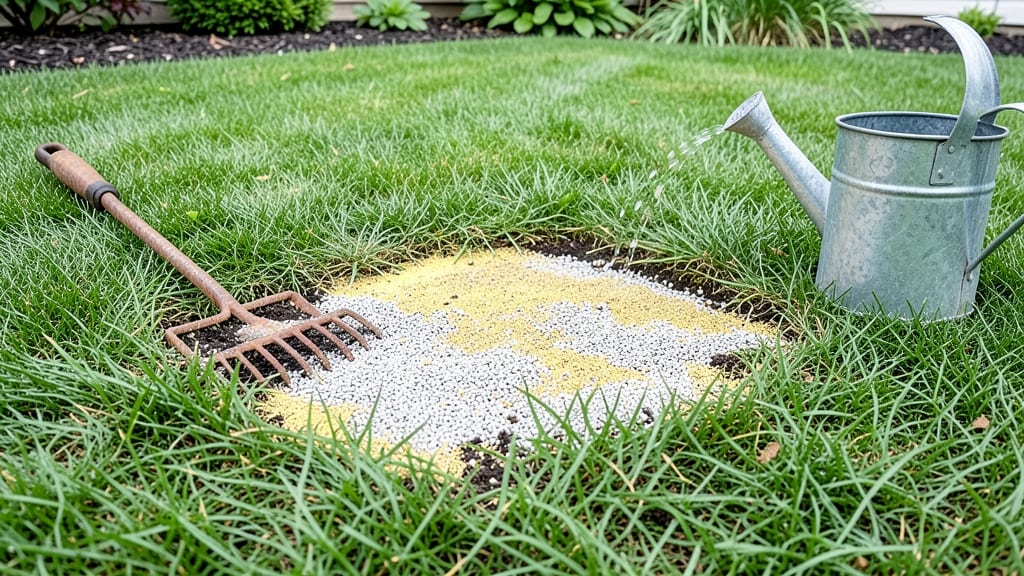
Prevent dog pee spots on lawn by turning yellowed patches into lush green zones—it’s easier than you think! 🌱 The secret isn’t just diluting urine or watering more—it’s about balancing soil pH and choosing the right grass types that can handle frequent peeing. Dog pee spots aren’t just ugly; they’re acidic burn zones that kill grass over time. First, you’ll need a hose with a gentle spray, a lawn rake, and either a bag of garden lime or a natural compost mix to neutralize acidity. The key is acting fast: dilute fresh spots with water immediately, then reapply lime or compost every few weeks to restore healthy soil. For stubborn brown patches, over-seeding with dog-friendly grass like tall fescue or Kentucky bluegrass makes a huge difference. By the end of the season, you’ll have grass that stays green even after daily potty breaks. The patches will fill in naturally, and your lawn will look like it’s been professionally cared for—not like a science experiment gone wrong. Plus, your dog will finally have a spot that doesn’t look like a crime scene. Works for any yard size, whether you’ve got a small urban patch or a sprawling suburban lawn. Here’s how to make it happen without breaking the bank or your back.
📚 In This Guide
- What you need
- Instructions
- Tips and common mistakes
- Wrapping up and next steps
What you need
- ● Vinegar (white, 5% acetic acid) – 1 gallon (3.8 liters) (natural disinfectant and neutralizer)
- ● Baking soda – 1–2 cups (helps balance pH and deodorize)
- ● Dish soap (mild, unscented) – 1–2 tablespoons (breaks down urine residue)
- ● Garden hose with spray nozzle (for rinsing and diluting solutions)
- ● Gloves (rubber or nitrile) (protects hands from vinegar and urine)
- ○ Garden sprayer (optional but helpful) – 1–2 gallon capacity (for even distribution)
- ● Lawn fertilizer (low-nitrogen, high-potassium) – as needed (revives grass after treatment)
- ● Rake or stiff brush (for scrubbing stubborn spots)
- ● Lime or sulfur granules – as directed on packaging (for severely acidic soil)
- ● Compost or topsoil – small bag (for patching bare spots)
- ● Dog urine neutralizer spray (store-bought, if preferred)
- ● Pet-safe lawn seed mix (for reseeding thin areas)
- ● Plastic sheeting or tarp (to cover treated areas if rain is forecasted)
Step-by-Step guide to revive your lawn after dog pee
Here’s how to naturally neutralize stains and restore your grass—no harsh chemicals needed.
🌱 Step 1: Clean and Rinse Affected Areas Immediately
When you spot fresh dog pee, hose down the area with warm water for 30-60 seconds to dilute the urine. The longer it sits, the deeper the burn and yellowing. I keep a hose nozzle handy near the yard entrance—this quick rinse prevents stains from setting in.
Pay special attention to edges where pee pools. You’ll see the grass turn darker yellow within minutes if left untreated. After rinsing, let the area dry completely before moving to the next step—damp grass absorbs treatments poorly.
💧 Step 2: Apply a Vinegar and Water Solution
Mix 1 part white vinegar with 2 parts water in a spray bottle. Vinegar’s acidity neutralizes the ammonia in urine while restoring soil pH. Spray the solution lightly over the yellowed patches until the grass looks damp but not soggy.
Wait 15-20 minutes before watering again. You’ll notice the grass turning a lighter shade of green almost immediately—this means the treatment is working. Avoid using apple cider vinegar; its sugar content can attract pests.
☀️ Step 3: Fertilize with a Nitrogen-Rich Lawn Food
After treating with vinegar, apply a slow-release nitrogen fertilizer (like a 24-0-4 formula) according to package instructions. Nitrogen helps grass recover by promoting leaf growth. I use a spreader for even coverage—focus only on the treated areas to avoid overfeeding healthy grass.
Water the area deeply after fertilizing to activate the nutrients. You’ll see new green growth within 7-10 days if the soil isn’t severely damaged. For stubborn spots, repeat the vinegar treatment once a week for 2-3 weeks while monitoring progress.
✂️ Step 4: Overseed and Protect Recovered Areas
Once the yellowing fades and new growth appears, overseed the spot with dwarf fescue or perennial ryegrass—these varieties tolerate dog urine better than Kentucky bluegrass. Lightly rake the area to loosen soil, then spread seeds evenly.
Keep the overseeded patch moist but not waterlogged for 2-3 weeks to encourage germination. Avoid letting your dog use the area until the new grass reaches 2 inches tall. You’ll know it’s fully recovered when the patch blends seamlessly with the rest of your lawn.
🪴 Step 5: Train Your Dog to Pee in Designated Spots
Prevent future stains by designating a gravel or mulch area for your dog to relieve themselves. Use a cue word like “go potty” and reward them with treats when they use the spot. I place a large rock or flag to mark the boundary—dogs learn visual cues quickly.
If accidents happen, clean them up immediately with the vinegar solution to stop stains before they start. Consistency is key—most dogs adapt within 2-3 weeks of training. This step saves you hours of lawn repair down the road.
Tips & tricks for restoring your lawn after dog pee
These simple strategies will help you revive your grass faster and prevent future damage from dog urine.
Timing is Everything: In Step 1, don't rush the 30-60 second rinse—this is critical for breaking down the ammonia in fresh urine. I've seen stains disappear completely when caught within 5 minutes, but wait 10 minutes and you'll struggle to remove the yellowing. Focus especially on edges where pee pools, as these areas concentrate the most damage.
Vinegar Application Technique: When applying the vinegar solution in Step 2, use a spray bottle with a fine mist setting to avoid oversaturating the grass. The goal is to dampen, not soak—this prevents waterlogging that can suffocate grass roots. I like to spray in light, overlapping passes to ensure even coverage without puddles forming.
Fertilizer Focus: In Step 3, resist the urge to fertilize the entire lawn—stick to just the treated areas to avoid overfeeding healthy grass. I use a push spreader set to the recommended rate for the fertilizer's package instructions, and always apply when the grass is dry to ensure even distribution. The 7-10 day window for new growth is accurate, but you'll see results sooner in warm weather.
Dog Training Shortcut: For Step 5, I recommend placing a large, visible marker like a brightly colored flag or rock at your designated pee spot. Dogs respond to visual cues almost as well as verbal commands. Consistency is key—most dogs learn within 2-3 weeks, but some pick it up in just a few days with positive reinforcement.
Pro Tips for Prevent Dog Pee Spots On Lawn
- These simple strategies will help you revive your grass faster and prevent future damage from dog urine.
- Timing is Everything: In Step 1, don't rush the 30-60 second rinse—this is critical for breaking down the ammonia in fresh urine.
- Vinegar Application Technique: When applying the vinegar solution in Step 2, use a spray bottle with a fine mist setting to avoid oversaturating the grass.
Frequently asked questions
about preventing dog pee spots on your lawn—because no one wants a patchy yard! Here are answers to the most common concerns to keep your grass lush and healthy.How often should I water my lawn after my dog pees to prevent damage?
Water your lawn immediately after your dog pees—within 10-15 minutes—to dilute the urine and reduce burn risk. Follow up with a deeper watering 2-3 times a week to help grass recover. Overwatering won’t fix the issue, but consistent hydration strengthens roots over time.
Will vinegar or baking soda really help neutralize dog pee stains?
Yes! A mix of 1 gallon of water + 1 cup white vinegar (or 1 cup baking soda) can neutralize urine pH when sprayed directly on spots. Test a small area first—vinegar may kill grass if overused. For baking soda, rinse thoroughly after 10 minutes to avoid residue buildup.
My dog keeps peeing in the same spot—how do I break the habit?
Train your pup with positive reinforcement: praise them for peeing elsewhere or use a cue like “go potty” in a designated area. Block off problem spots temporarily with mulch or pebbles. Consistency and patience are key—most dogs adjust within 2-4 weeks!
How long does it take for grass to recover from dog pee damage?
Mild damage may recover in 2-4 weeks with proper care, but severe burns can take months. Focus on:
- Diluting urine with water
- Fertilizing with potassium-rich lawn food
- Avoiding foot traffic on affected areas
Are there dog-friendly grasses that resist pee damage better?
Yes! Buffalo grass, fescue, and Kentucky bluegrass tolerate urine better than delicate varieties like Bermuda. If reseeding, choose drought-resistant, deep-rooted grasses. Pair this with a dog-friendly fertilizer (low in nitrogen) for best results.
Wrapping up and next steps
Keeping your lawn lush and free of dog pee spots is totally doable with the right approach! 🌱 Whether you’re using natural remedies like vinegar or baking soda, diligent watering, or selecting dog-friendly grass types, consistency is key.
Remember, a happy lawn starts with a little extra care—and your pup’s pee won’t stand a chance!
Ready to transform your yard? Start small: pick one method from this guide, test it on a small patch, and watch your grass bounce back. Before you know it, you’ll have a vibrant lawn and a grateful dog—win-win! 🐾