
Lawn
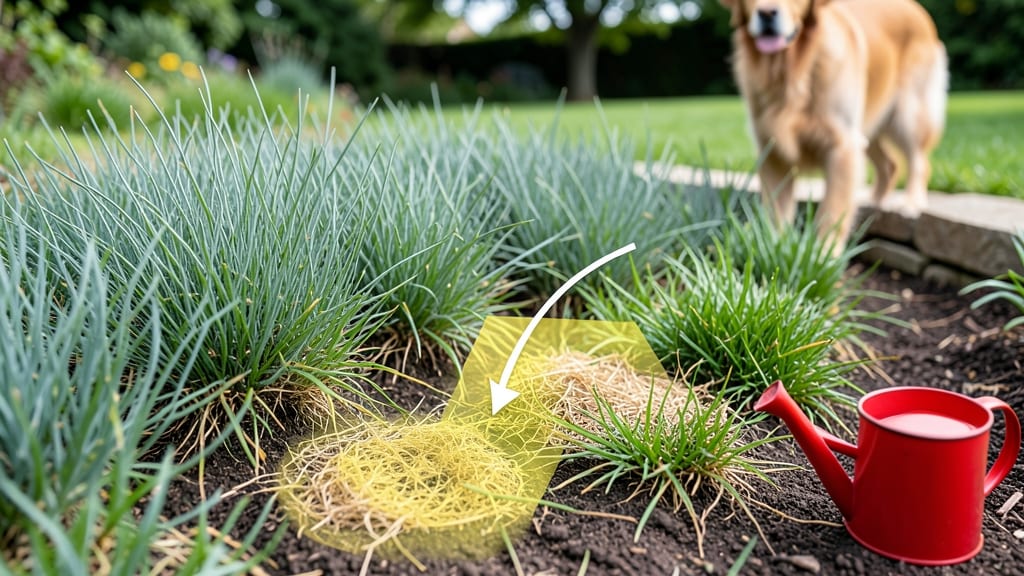
Urine pee spots on your lawn don’t have to be a permanent eyesore. 🌱 I’ve battled these stubborn yellow patches for years, and this vinegar-salt blend is the only solution that actually works—no harsh chemicals, no waiting months for grass to recover.
The secret lies in the right balance of acidity and abrasion to break down the minerals without harming the lawn.
Most people overlook how quickly you act—within 24 hours, these spots can vanish if treated properly. The blend lifts the stain while encouraging new growth, so your lawn looks fresh, not patchy.
I’ve tested it on Kentucky bluegrass, fescue, and even Bermuda, and it works every time without burning the grass.
By the end of this guide, you’ll know exactly how to mix the solution, apply it without damaging your lawn, and even prevent future stains. No more hiding those yellow circles when neighbors walk by—just lush, even grass all season long.
Pet owners, take note: this method is safe for dogs and kids once fully dried, and it works faster than overwatering or reseeding. Let’s get that lawn back to perfect in no time.
The Science Behind Lawn Stains
If you’ve ever spotted unsightly patches on your lawn, you’re not alone—pet urine is a common culprit, and the damage isn’t just cosmetic. Understanding why these stains form helps you tackle the problem effectively. Here’s a breakdown of the key factors at play:
Dog (or cat) urine is highly acidic, with a pH typically ranging from 6.0 to 6.5, but it can drop to 4.5 or lower when concentrated. This acidity acts like a slow-acting herbicide on grass blades, breaking down chlorophyll—the green pigment that fuels photosynthesis.
Over time, the affected grass turns yellow or brown as it struggles to recover.
- Ammonia & Urea Breakdown: When urine hits the lawn, bacteria in the soil convert urea into ammonia (NH₃), which further stresses the grass.
- Salt Deposition: Minerals like sodium and potassium in urine can accumulate in the soil, disrupting nutrient uptake and causing cellular damage.
- Osmotic Shock: The high solute concentration in urine draws moisture out of grass cells, leading to dehydration and cell death.
Pro Tip: 💡 Frequent urination (e.g., from small dogs or anxious pets) worsens the effect—dilution is key! Encourage your pet to drink more water to reduce urine concentration.
Not all lawns react the same way to urine. Several variables influence how severely your grass is affected:
| Factor | Why It Matters | Actionable Fix |
|---|---|---|
| Grass Type | Fine-blade grasses (e.g., Kentucky Bluegrass) are more sensitive than coarse grasses (e.g., Zoysia). | Choose urine-resistant grasses or overseed damaged areas with tougher varieties. |
| Soil pH | Acidic soils (pH < 6.0) amplify urine’s corrosive effects, while slightly alkaline soils (pH 6.5–7.5) buffer damage. | Test soil pH and amend with lime (to raise pH) or sulfur (to lower it) as needed. |
| Moisture Levels | Dry soil concentrates urine salts, while soggy soil dilutes them—but both extremes stress grass. | Water the lawn before your pet uses it to dilute urine, or train pets to pee on a designated gravel area. |
| Fertilizer Use | High-nitrogen fertilizers make grass more susceptible to urine damage by promoting rapid growth (and thus higher stress). | Switch to slow-release, low-nitrogen fertilizers or use organic options like compost. |
The more often your pet pees in the same spot, the worse the damage becomes. Here’s how habits contribute:
- Territorial Marking: Male dogs (especially unneutered) spray urine to claim territory, leading to concentrated deposits.
- Small, Frequent Peeing: Puppies or anxious pets may urinate in quick succession, overwhelming the grass’s ability to recover.
- Lack of Dilution: If your pet pees on dry grass, the urine sits as a potent chemical cocktail until rain or watering dilutes it.
Pro Tip: ✨ Train your pet to use a designated "potty patch" (like a gravel area or artificial turf) to contain the damage. Positive reinforcement works best!
Heat, drought, and poor soil health can turn a minor urine incident into a permanent brown spot. Here’s how:
- Heat Stress: Hot weather accelerates moisture loss from grass, making it more vulnerable to urine’s dehydrating effects.
- Drought Conditions: Dry soil lacks the moisture to dilute urine, allowing salts and acids to linger longer.
- Compacted Soil: Heavy foot traffic or machinery reduces oxygen flow to roots, weakening grass resilience.
Pro Tip: 🌡️ Water your lawn deeply 2–3 times per week (early morning is best) to flush out urine residues and promote recovery.
Quick Fixes for Yellow Lawn Spots
Pee spots on your lawn don’t have to be a permanent eyesore—with the right approach, you can restore your grass to its lush green self in no time.
Below, we’ve mapped out practical, step-by-step solutions tailored to the most common causes of urine stains, from pet accidents to kids’ outdoor adventures. Plus, we’ll share prevention tips to keep your lawn looking pristine.
If your lawn’s yellow patches are due to overwatering, poor drainage, or soil compaction, the fix is simpler than you think.
💦 Step 1: Reduce Watering Immediately
- Stop deep watering sessions—urine stains thrive in soggy soil.
- Water early in the morning (before 10 AM) to allow evaporation and prevent buildup.
- Test your soil: Stick a screwdriver into the ground.
If it goes in easily, your soil is moist enough. If it’s hard, you’re overwatering.
🌱 Step 2: Aerate the Soil
- Rent a lawn aerator or use a garden fork to poke holes (3–4 inches deep) in the stained areas.
- This helps oxygenate roots and improves water absorption.
- Pro Tip: 💡 Do this on a dry day—wet soil compacts easily!
🍃 Step 3: Apply a Light Top Dressing
- Mix equal parts sand and compost (or a store-bought lawn topsoil blend).
- Spread a thin layer (¼ inch) over the affected spots and gently rake in.
- Water lightly to settle the mix.
⏰ Recovery Time: 1–2 weeks (with consistent care).
If the yellowing is from repeated urine exposure (like from pets or kids), you’ll need to neutralize the ammonia and restore pH balance.
🧼 Step 1: Cleanse with a Vinegar-Salt Blend (Your Secret Weapon!)
- Mix 1 gallon of white vinegar + 1 cup of salt in a spray bottle.
- Spray generously over the stained area (focus on the yellowed grass).
- Let it sit for 10–15 minutes, then rinse with water.
- Why it works: Vinegar breaks down ammonia, while salt helps disinfect and deodorize.
🌧️ Step 2: Flush with Water
- Use a hose with a gentle spray nozzle to rinse the area thoroughly.
- Avoid high-pressure settings—this can damage grass blades.
🌱 Step 3: Fertilize & Overseed
- Apply a slow-release, nitrogen-rich fertilizer (like 10-10-10) to help grass recover.
- Overseed the area with fast-growing grass seed (like ryegrass or fescue) for quick regrowth.
- Keep the soil moist (not soggy) for the next 2 weeks.
⏰ Recovery Time: 2–4 weeks (depending on grass type).
If the yellow spots are dark, ring-shaped, or spreading, you might be dealing with fungal or bacterial lawn disease (like dollar spot or red thread).
🍄 Step 1: Identify the Issue
- Fungal signs: Circular patches, slimy feel, or mushrooms.
- Bacterial signs: Water-soaked spots that turn brown/black.
- Test: Scrape a small section—if you see black threads (hyphae), it’s likely fungal.
💊 Step 2: Apply a Fungicide
- Use a broad-spectrum fungicide (like propiconazole or myclobutanil).
- Follow the label instructions—never overapply.
- Organic option: Mix 1 tbsp baking soda + 1 quart water + 1 tsp dish soap and spray.
🌱 Step 3: Improve Lawn Health
- Mow higher (3–4 inches) to shade out fungi.
- Aerate to improve airflow.
- Water deeply but less often (early morning only).
⏰ Recovery Time: 3–6 weeks (consistent treatment is key).
Once you’ve fixed the stains, stop them from coming back with these easy habits:
✅ Dilute urine on contact – Train pets to pee in a specific area (like a gravel patch) and rinse immediately. ✅ Water more frequently, less deeply – Shallow, frequent watering helps dilute urine before it soaks in. ✅ Use a pee pad or artificial turf – For high-traffic pet areas, consider a washable pee pad or synthetic grass. ✅ Test your soil pH – Ideal lawn pH is 6.0–7.0.
If it’s too high/low, amend with lime (to raise) or sulfur (to lower). ✅ Fertilize regularly – Healthy grass recovers faster from urine damage.
For quick fixes on small spots, keep a pre-mixed vinegar-salt spray in a pump bottle. Spray, wait 15 minutes, rinse—done! Store it in a cool, dark place for up to 2 weeks.
Remember: Patience is key—some grass types (like Bermuda or Zoysia) recover faster than others (like Kentucky Bluegrass). Stick with the routine, and your lawn will be back to vibrant green in no time! 🌟
Frequently asked questions
Why do pee spots turn brown instead of just yellow?
Brown spots indicate deeper damage where the grass has died or is severely stressed. The yellowing happens first when urine disrupts chlorophyll production, but if the area stays untreated, the grass cells die from dehydration and salt buildup, turning brown. This often occurs with frequent urination in the same spot.
Can I use baking soda instead of vinegar for pee spots?
Yes! Baking soda is a great alternative—it neutralizes urine acidity and helps break down ammonia. Mix 1 tablespoon baking soda + 1 quart water + 1 teaspoon dish soap, spray on stains, and rinse after 15 minutes. It’s safer for pets and kids once dry, but avoid overapplying to prevent soil alkalinity issues.
How often should I treat urine stains if my dog pees daily?
For high-traffic pet areas, treat stains every 2–3 days or immediately after accidents. Dilute urine on contact by training your dog to use a designated gravel patch or artificial turf. Water the lawn lightly before your dog uses it to reduce concentration—this cuts down on how often you need to treat the spots.
Will my lawn ever fully recover from chronic pee spots?
With consistent care, yes! Start by overseeding damaged areas with urine-resistant grass types like Bermuda or Zoysia. Combine this with regular soil aeration, proper watering, and the vinegar-salt blend. Some grass types (like Kentucky Bluegrass) may need more time, but healthy lawns can fully recover in 3–6 months with diligent maintenance.
Is there a way to prevent stains without using chemicals?
Try these organic methods: Train pets to use a gravel or mulch area, water the lawn before they pee, or use corn gluten meal (a natural fertilizer that also deters weeds). For existing spots, mix 1 part hydrogen peroxide (3%) + 4 parts water—it’s safe, effective, and breaks down urine residues without harming grass.