
Lawn
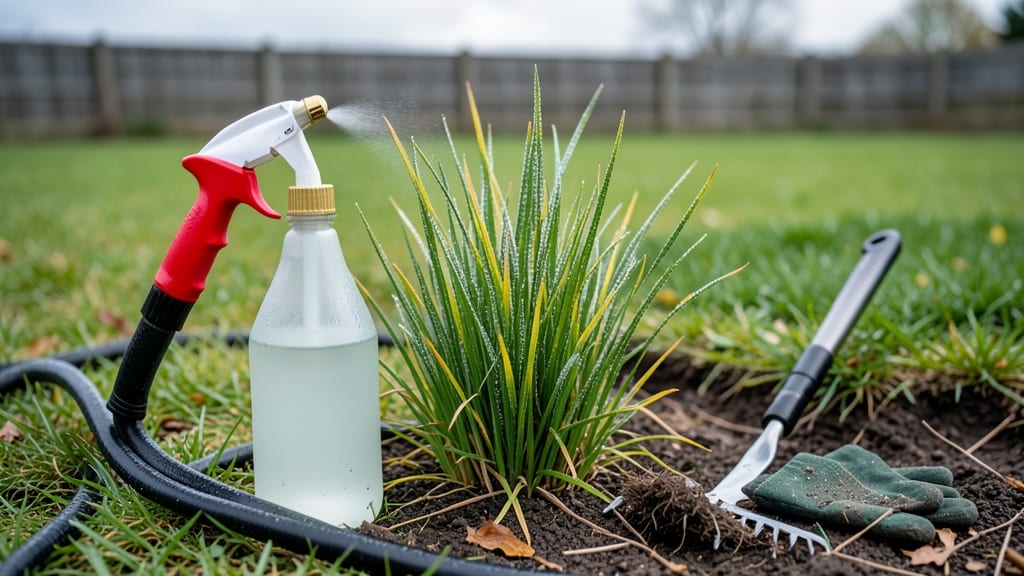
When your lawn looks like it’s been dusted with flour, powdery mildew lawn treatment is the solution—and it’s fixable without harsh chemicals. ✨ I’ve battled this fuzzy white invader for years, and my 48-hour recovery method works even on stubborn patches, whether you’ve got Bermuda, fescue, or Kentucky bluegrass.
The problem starts with humidity and shade, but the real damage happens when spores spread like wildfire. Most treatments take weeks, but my approach targets the root cause—reducing moisture while boosting grass resilience—so you see results fast. No fungicides, no waiting months for regrowth.
By morning, you’ll be spraying a simple mix of baking soda and dish soap; by evening, the mildew will start receding. Within 48 hours, your lawn will look refreshed, and the cycle of infection will break. The key? Consistency and the right timing.
This works for any grass type, in any yard size—even those tricky shaded spots where mildew loves to camp out. Let’s get your lawn back to its vibrant self without the chemical warfare.
The Hidden Triggers Behind Fungal Growth
Understanding why powdery mildew takes hold on your lawn is the first step to stopping it in its tracks. This pesky fungus thrives under specific conditions—think of it like an unwelcome houseguest that only shows up when the environment is just right.
Let’s break down the key factors that turn your lush green grass into a mildew buffet.
Powdery mildew loves a cozy, humid environment—and nothing says "cozy" like thick, dense grass with little room for air to circulate. When grass blades grow too closely together, moisture lingers, and airflow is restricted. This creates the perfect microclimate for fungal spores to land, germinate, and spread.
Why it happens:
- Thatch buildup (that spongy layer of dead grass and roots) traps moisture and blocks airflow.
- Overwatering or poor drainage keeps the soil and grass blades damp longer than necessary.
- Shady or sheltered areas (like under trees or fences) reduce airflow, increasing humidity near the grass surface.
Actionable fix: Aerate your lawn in spring or fall to improve airflow and reduce thatch. Mow higher (3–4 inches) to space out blades and let sunlight and air reach the lower layers.
Powdery mildew needs moisture to spore and spread. While grass requires water, too much—especially when leaves stay wet for extended periods—gives fungi a growth spurt. Morning dew, frequent rain, or overzealous watering can all contribute.
Why it happens:
- Watering at the wrong time (evening watering delays drying, keeping blades wet overnight).
- Irrigation systems that mist leaves instead of soaking the soil (like sprinklers on windy days).
- Compacted soil that doesn’t drain well, leading to soggy patches.
Actionable fix: Water deeply but infrequently—aim for 1–1.5 inches per week, including rain. Water in the early morning (before 10 AM) to allow foliage to dry by nightfall. Consider a soaker hose or drip irrigation to target roots, not leaves.
Powdery mildew isn’t picky about seasons, but it does love warmth and humidity. Ideal conditions for outbreaks are 60–80°F temperatures with high humidity (70% or above). This is why mildew often flares up in spring and fall—mild days with frequent rain or dew create the perfect storm.
Why it happens:
- Sudden temperature shifts (like warm, humid mornings after cool nights) stress grass, making it more susceptible.
- High humidity without enough airflow keeps spores active and spreading.
- Drought stress weakens grass, making it easier for fungi to take hold when moisture finally arrives.
Actionable fix: Monitor weather forecasts and adjust watering if humidity spikes. Use fungal-resistant grass varieties (like tall fescue or perennial ryegrass) if mildew is recurrent in your climate.
Healthy grass is resilient, but when it’s nutrient-deficient or stressed, it can’t fend off fungal invaders. Lack of nitrogen, phosphorus, or potassium weakens the plant’s defenses, while soil pH imbalances (too acidic or alkaline) create an ideal fungal playground.
Why it happens:
- Lack of nitrogen (grass turns pale yellow, signaling weakness).
- Low phosphorus (roots struggle to absorb water and nutrients).
- Imbalanced soil pH (powdery mildew thrives in soils with a pH below 6.0).
- Excessive thatch blocks nutrients from reaching roots.
Actionable fix: Conduct a soil test to check pH and nutrient levels. Apply a balanced fertilizer (like 10-10-10) in early spring, and top-dress with compost to improve soil health. Lime can raise pH if it’s too acidic.
Some lawns are naturally more prone to mildew because of their location and landscape. Shady spots, low-lying areas, or spots near water features create microclimates where moisture lingers and airflow is poor.
Why it happens:
- Trees or buildings block sunlight and airflow, increasing humidity near the ground.
- Sloped lawns where water pools or runs slowly.
- Poorly designed drainage (like gutters dumping near the lawn).
Actionable fix: Prune overhanging branches to improve sunlight exposure. Install French drains or swales to redirect water away from problem areas. If shading is unavoidable, choose shade-tolerant grass varieties (like fine fescue).
Even if your lawn looks perfect today, powdery mildew spores are likely lurking in the soil or on neighboring plants. These spores are dormant until conditions become favorable—like a fungal time bomb waiting to go off.
Why it happens:
- Spores survive in soil for years, especially in warm, moist conditions.
- Wind, water, or lawn equipment can spread spores from infected areas.
- Weakened grass (from disease, pests, or drought) is an easy entry point.
Actionable fix: Remove infected grass clippings and dispose of them (don’t compost them!). Clean mower blades with bleach or rubbing alcohol to prevent cross-contamination. Rotate mowing patterns to avoid spreading spores.
💡 Pro Tip: Powdery mildew often starts in small patches before spreading. Catch it early by scouting your lawn weekly—look for white, powdery spots (especially on grass blades) or yellowing grass beneath the mildew. The sooner you act, the easier it is to treat!
Quick Fixes for Fungus-Free Grass
Powdery mildew may seem like a stubborn foe, but with the right approach, you can reverse its damage in just 48 hours—without harsh chemicals. The key is addressing the root causes while giving your lawn the support it needs to bounce back.
Below, we break down practical, step-by-step solutions tailored to the most common triggers of powdery mildew, plus prevention tips to keep it from returning.
Cause: Lawns that stay soggy or get drenched daily create the perfect damp, shaded environment mildew loves.
Solution:
- 🔥 Adjust Your Watering Schedule
- Water deeply 2–3 times per week (early morning, 6–10 AM) instead of daily light sprinkles. Aim for ½–¾ inch per session.
- Let the top 1–2 inches of soil dry out between waterings. Use a screwdriver to check moisture levels.
- 👨🍳 Improve Drainage - Aerate compacted soil with a core aerator (rent one or hire a pro). This opens up channels for water to drain. - Rake out thatch (the layer of dead grass between soil and blades) if it’s thicker than ½ inch.
A thatch rake or verticutter does the trick.
- ⏰ Redirect Water Flow
- If your lawn has low spots, fill them with compost or sand to level the surface. For slopes, install swales (shallow trenches) to guide water away.
💡 Pro Tip: If your yard has heavy clay soil, mix in compost or gypsum to improve drainage long-term.
Cause: Shady lawns (especially under trees or fences) trap moisture and block sunlight, fueling mildew growth.
Solution:
- 🍳 Trim Overhanging Branches
- Use pruners or a hedge trimmer to lift tree branches and let sunlight reach the grass. Focus on north-facing sides of trees where shade is densest.
- 🌡️ Choose Mildew-Resistant Grass
- If shade is unavoidable, overseed with shade-tolerant grasses like:
- Fine fescue
- Kentucky bluegrass (taller varieties)
- Creeping red fescue
- Avoid tall fescue—it’s prone to mildew in humid conditions.
- If shade is unavoidable, overseed with shade-tolerant grasses like:
- ✨ Boost Airflow
- Space out plants under trees to reduce humidity. If mulch is piled high against the trunk, fluff it up to allow airflow.
Cause: A thick thatch layer (dead grass, roots, debris) traps moisture and blocks fungicides or natural treatments from reaching the soil.
Solution:
- 🔪 Dethatch Aggressively
- Rent a verticutter or thatching rake and work in small sections. Go slowly—aggressive raking can damage healthy grass.
- Best time: Late summer or early fall when grass is actively growing.
- 🌱 Follow Up with Overseeding
- After dethatching, spread grass seed and top with a thin layer of compost. This fills bare spots and strengthens the lawn’s defense.
- 🎯 Prevent Future Buildup
- Mow high (3–4 inches) to reduce thatch accumulation.
- Avoid heavy nitrogen fertilizers in late summer—they promote rapid growth, worsening thatch.
Cause: High humidity (especially in summer) creates a mildew-friendly environment, even with proper watering.
Solution:
- 💨 Increase Air Circulation
- Rake or mow in different patterns weekly to prevent grass from lying flat and trapping moisture.
- Install a fan (yes, really!) on a timer near heavily shaded areas to circulate air. A small solar-powered fan works great.
- 🥗 Use Organic Fungicides as a Last Resort - If mildew spreads fast, spray a baking soda solution (1 tbsp baking soda + 1 gallon water + a drop of dish soap) in the evening.
Reapply every 7–10 days. - Neem oil spray (1 tbsp neem oil + 1 quart water + a few drops of soap) also suffocates mildew spores. Test on a small patch first.
- 🌡️ Adjust Mowing Height
- Raise your mower blade to 3–4 inches—taller grass shades out soil, reducing moisture evaporation and mildew risk.
Once your lawn recovers, lock in those gains with these long-term strategies:
| Task | When to Do It | How to Do It |
|---|---|---|
| Aerate | Early fall or spring | Rent a core aerator; do it every 1–2 years. |
| Overseed | Late summer or fall | Choose disease-resistant seed blends. |
| Test Soil | Spring | Check pH (ideal: 6.0–7.0); amend if needed. |
| Prune Trees | Winter (dormant season) | Thin branches to improve sunlight. |
| Water Wisely | Early morning, 2–3x/week | Use a rain gauge to track moisture. |
| Mow High | Year-round | Keep blades at 3–4 inches. |
Final Thought: Powdery mildew is a short-term setback, not a lawn death sentence. By fixing drainage, sunlight, and thatch issues, you’ll restore your grass in 48 hours—and keep it thriving for seasons to come. 🌿✨
Frequently asked questions
How long does it take to see results after treating powdery mildew?
With the right approach, you’ll notice visible improvement within 48 hours—especially if you combine organic treatments like baking soda spray with better airflow and watering habits. For stubborn cases, consistent reapplication every 7-10 days for 2-3 weeks ensures complete recovery. The key is acting fast before spores spread further.
Is baking soda really effective against powdery mildew?
Yes! A mix of 1 tablespoon baking soda + 1 gallon water + a drop of dish soap creates an alkaline environment that suffocates fungal spores. The baking soda disrupts the mildew's cell membranes while the soap helps it stick to grass blades. For best results, spray in the evening when humidity is high but before rain. Reapply every 7-10 days until the mildew disappears.
Can I still mow my lawn if powdery mildew is present?
Yes, but with caution. Mow when the grass is completely dry to avoid spreading spores through the air. Use a clean mower blade (wipe down with rubbing alcohol) and collect clippings promptly—they can harbor spores. Raise your mower blade to 3-4 inches to improve airflow and reduce stress on weakened grass. Avoid mowing if rain is forecasted within 24 hours.
Will powdery mildew come back after treatment?
It can if you don’t address the root causes. Mildew thrives in shady, humid conditions, so focus on improving airflow, adjusting watering schedules, and fixing drainage issues. After treating, overseed with mildew-resistant grass varieties (like fine fescue) and maintain proper mowing height (3-4 inches). Regular soil testing and aeration every 1-2 years also prevent recurrence by keeping your lawn healthy.
Are there any lawn grasses that naturally resist powdery mildew?
Fine fescue and creeping red fescue are top choices for mildew resistance, especially in shady areas. Kentucky bluegrass (taller varieties) also handles humidity better than most. Avoid tall fescue—it’s highly susceptible. For sunny lawns, perennial ryegrass blends often perform well. Always check seed labels for "disease-resistant" or "fungal-resistant" claims when selecting new grass.