
Size
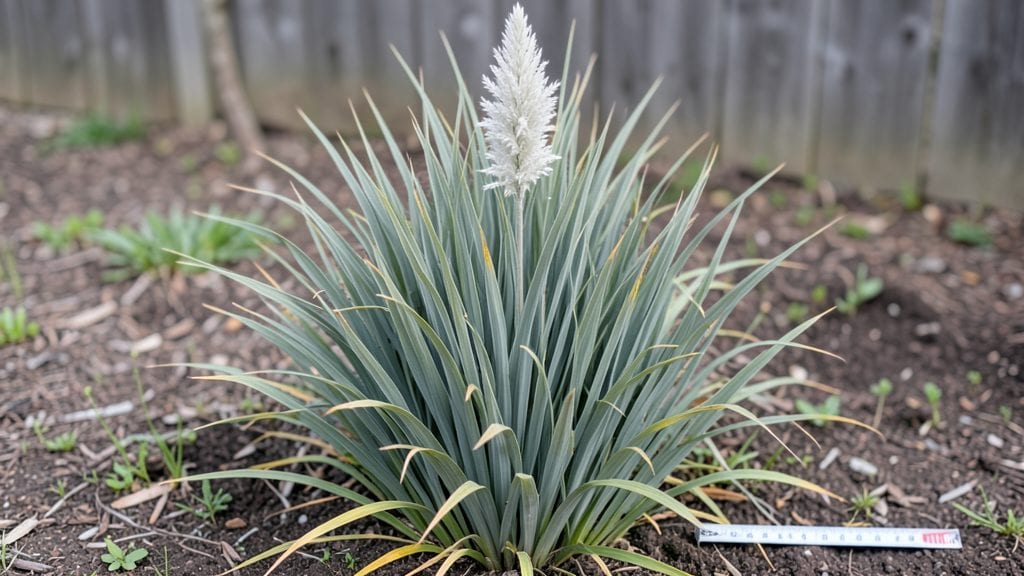
If you're planning to add this ornamental grass to your yard, its rapid growth means you’ll need to plan ahead.
The underground runners (rhizomes) can quickly outpace expectations, turning a single clump into a dense thicket within just a few seasons. 🌱 I’ve seen cases where homeowners planted pampas grass near patios or driveways only to discover it encroaching on walkways within two years—highlighting why proper spacing and containment methods are non-negotiable for long-term landscaping success.
💡 In This Article
- Factors Influencing Pampas Grass Growth Speed
- Controlling Pampas Grass Spread in Landscapes
Factors influencing pampas grass growth speed
Pampas grass thrives in full sun, requiring at least 6-8 hours of direct sunlight daily to reach its maximum height of 6-15 feet within 1-2 years. The plant's growth mechanism relies heavily on photosynthesis, with its broad, feathery plumes capturing sunlight efficiently.
In regions with 10+ hours of daylight (like southern U.S. zones 7-11), you'll see accelerated vertical growth compared to shorter-day climates where it may take an extra year to mature.
Temperature plays a critical role—pampas grass enters dormancy when nighttime temperatures drop below 40°F, halting growth until spring. The ideal growing season occurs when daytime temps stay between 70-90°F, which is why coastal California gardens often see faster growth than inland areas with more extreme temperature swings.
Humidity also matters: in dry climates (30% humidity or less), the grass may develop thicker, drought-resistant stems but grow slightly slower than in more humid regions where moisture keeps cells plump and expanding.
The soil's drainage and nutrient content directly impact rhizome expansion. Pampas grass prefers well-draining soil with a pH between 6.0-7.5, but it tolerates poor soil if drainage is adequate.
Sandy loam soils allow rhizomes to spread 2-3 feet annually, while heavy clay can restrict root expansion by up to 50% due to compaction.
Adding organic matter like compost boosts growth by 20-30%, as the grass responds well to available nitrogen and phosphorus during its first two years of establishment.
Watering frequency creates another critical variable. While pampas grass is drought-tolerant once established, consistent moisture during its first growing season (1-1.5 inches per week) can accelerate height growth by 15-20%.
Overwatering, however, leads to root rot and stunted growth—this is why many landscapers recommend deep but infrequent watering (every 7-10 days) once the plant is past its first year. The trade-off is striking: optimal moisture speeds up vertical growth but requires vigilant monitoring to prevent waterlogged soil.
Seasonal variations create predictable growth patterns. In spring, new shoots emerge with rapid elongation, while summer focuses on foliage density. Autumn sees reduced growth as the plant prepares for winter dormancy, and spring's return triggers another growth surge.
This cyclical pattern explains why many gardeners notice 70% of annual height growth occurring between March and September in temperate climates.
What most people overlook is how wind exposure affects growth rate. Coastal plantings often develop taller, leaner stems due to constant wind, while inland gardens produce bushier plants. This adaptation occurs because wind stress triggers ethylene production, which stimulates vertical growth as a survival mechanism.
The result? A 10-15% height difference between windy and sheltered plantings under identical care conditions.
For maximum growth, combine these factors: plant in full sun, amend soil with compost, water deeply but infrequently, and choose a location with moderate wind exposure. The payoff is a plant that reaches its mature height 6-12 months faster than average while maintaining strong rhizome vigor. 💫