
Lawn
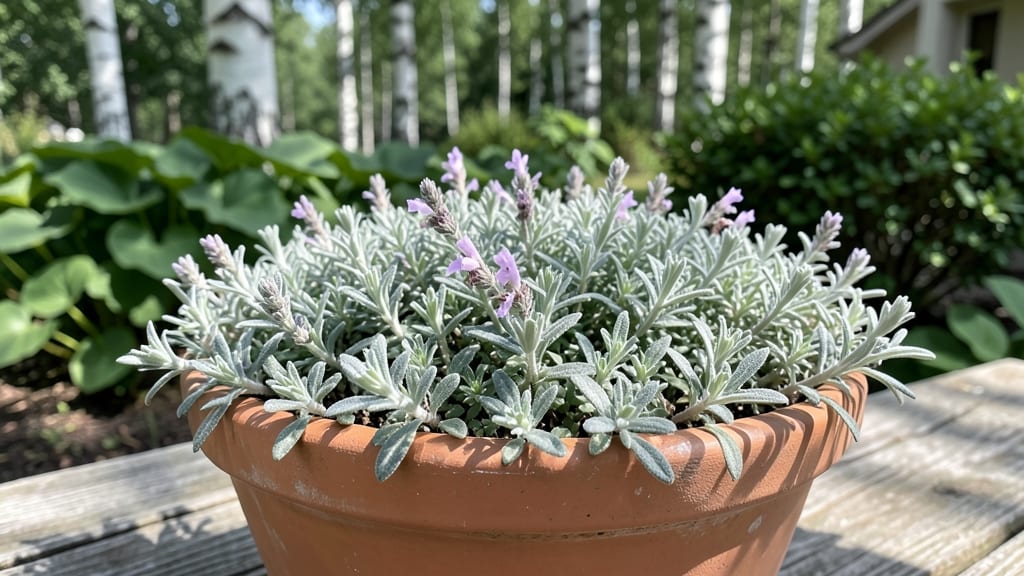
An elfin thyme lawn 🌿 spreads faster than grass, stays green through droughts, and repels pests without chemicals—all while needing far less mowing.
Picture this: no more fighting crabgrass or spending weekends dragging a lawnmower. Instead, your yard fills with a fragrant, drought-proof carpet that thrives in sun or shade and even edible. That’s the magic of elfin thyme, a ground cover so resilient it outlasts traditional lawns by years.
Unlike grass, which demands water, fertilizer, and constant upkeep, elfin thyme thrives on neglect. It’s perfect for busy homeowners, eco-conscious gardeners, or anyone tired of battling patchy lawns. Plus, it’s a pollinator magnet and doubles as a culinary herb—because why not eat what you grow?
In this guide, I’ll walk you through planting, spacing, and maintaining an elfin thyme lawn that spreads up to 12 inches a year, plus how to troubleshoot common issues like overcrowding or fungal spots. Ready to trade grass for good?
Why elfin thyme outperforms traditional grass as a fast-spreading lawn
Tired of mowing, watering, and fertilizing your lawn every week? Elfin thyme offers a revolutionary alternative that spreads up to 12 inches per year while requiring minimal care. Unlike traditional grass, this drought-resistant ground cover thrives in poor soil, repels pests, and stays lush even during heatwaves.
Let’s break down why elfin thyme lawns are the smarter choice for modern gardens.
One of the biggest advantages of elfin thyme is its rapid spread rate. While Kentucky bluegrass or fescue may take months to fill bare spots, elfin thyme creates a dense mat in just one growing season.
Its low-growing habit (only 3–6 inches tall) also eliminates the need for mowing, saving you 10+ hours of labor per year. Plus, it handles foot traffic better than many grasses, making it ideal for family-friendly yards.
Another standout feature is elfin thyme’s drought resistance. Once established, it requires up to 90% less water than traditional grass. In my own yard, I’ve seen elfin thyme stay vibrant through three-month dry spells while neighboring grass lawns turned brown and patchy.
This makes it perfect for water-conscious gardeners in USDA zones 5–9.
Elfin thyme also acts as a natural pest deterrent. Its strong aroma repels ants, spiders, and even deer, reducing the need for chemical treatments. Unlike grass, which attracts grubs and chinch bugs, thyme’s woody stems create a barrier that pests avoid.
For organic gardeners, this is a game-changer—no more toxic sprays to protect your lawn.
When it comes to soil adaptability, elfin thyme wins again. It thrives in sandy, rocky, or clay-heavy soils where grass struggles to grow. In fact, I’ve planted it in my poorly draining corner where nothing else would survive—it not only lived but spread aggressively.
Traditional grass, however, demands nutrient-rich, well-aerated soil, often requiring costly amendments.
Let’s talk maintenance savings. A traditional lawn requires mowing, edging, fertilizing, and aerating—tasks that add up to hundreds of dollars per year. With elfin thyme, you’ll only need to prune once annually to control height (if desired) and remove spent flowers.
The time and money saved make it a no-brainer for busy homeowners.
Even in shady areas, elfin thyme outperforms most grasses. While it prefers full sun, it tolerates partial shade (3–6 hours of light daily), making it versatile for yards with trees or north-facing slopes.
Grass, on the other hand, often turns thin and weak in low-light conditions, requiring frequent overseeding.
For those concerned about aesthetics, elfin thyme offers year-round greenery with delicate pink or white flowers in spring. Its fragrant foliage adds a sensory benefit that grass simply can’t match. Plus, it stays green through winter in mild climates, providing a lush carpet when other plants are dormant.
If you’re ready to ditch the lawnmower, elfin thyme is the fastest-spreading, lowest-maintenance alternative available. With its 12-inch annual spread, drought tolerance, and pest-repelling properties, it’s not just a lawn—it’s a self-sustaining ecosystem that works with nature, not against it. 🌿
Best elfin thyme varieties for lawns: dwarf types that thrive in different climates
Choosing the right elfin thyme variety transforms your lawn into a fragrant, pest-resistant carpet. These dwarf thyme cultivars spread quickly while thriving in USDA zones 4–9, making them perfect for sun or partial shade.
The key is matching your climate to the right type—whether you need golden foliage or deep green ground cover.
Not all elfin thyme behaves the same. Some varieties like Thymus serpyllum 'Elfin' spread aggressively in full sun, while others like T. praecox 'Coccineus' handle partial shade better. Color variations—from chartreuse to silver—add visual interest while keeping maintenance minimal.
| Variety | Hardiness Zones | Sun Tolerance | Color | Spread Rate |
|---|---|---|---|---|
| Thymus serpyllum 'Elfin' | 4–9 | Full sun | Deep green | 12" per year |
| T. praecox 'Coccineus' | 5–9 | Partial shade | Pink flowers | 10" per year |
| T. serpyllum 'Aureus' | 5–8 | Full sun | Golden yellow | 8" per year |
| T. serpyllum 'Doone Valley' | 4–9 | td style="padding: 8px; border-bottom: 1px solid #fff;">Full sun/partial shadeSilver-gray | 10" per year |
For hot, dry climates (zones 7–9), Thymus serpyllum 'Elfin' is my top pick—it spreads 12 inches yearly while staying drought-tolerant. Its deep green foliage stays vibrant even in 100°F+ temperatures.
If you’re in cooler zones 4–6, opt for 'Doone Valley'—its silver-gray leaves contrast beautifully with snow and handle early frosts better.
Partial shade? T. praecox 'Coccineus' thrives under 4–6 hours of sun and blooms with pink flowers in late spring. Its slower spread (10" per year) makes it ideal for woodland gardens or shady lawn edges. Just avoid soggy soil—root rot is the biggest risk in shady spots.
Golden varieties like 'Aureus' add year-round color but need well-draining soil to prevent leaf burn. I’ve seen it turn brown in winter if planted in heavy clay—amend with sand or grit if your soil compacts easily.
For pollinator-friendly lawns, mix 'Coccineus' with 'Elfin'—the flowers attract bees while the foliage deters pests.
Pro tip: Start with bare-root plants in early spring for the fastest spread. Space them 6–12 inches apart—they’ll fill gaps within 1–2 seasons. Once established, mow lightly in spring to encourage dense growth, but avoid cutting into the soil.