
Lawn
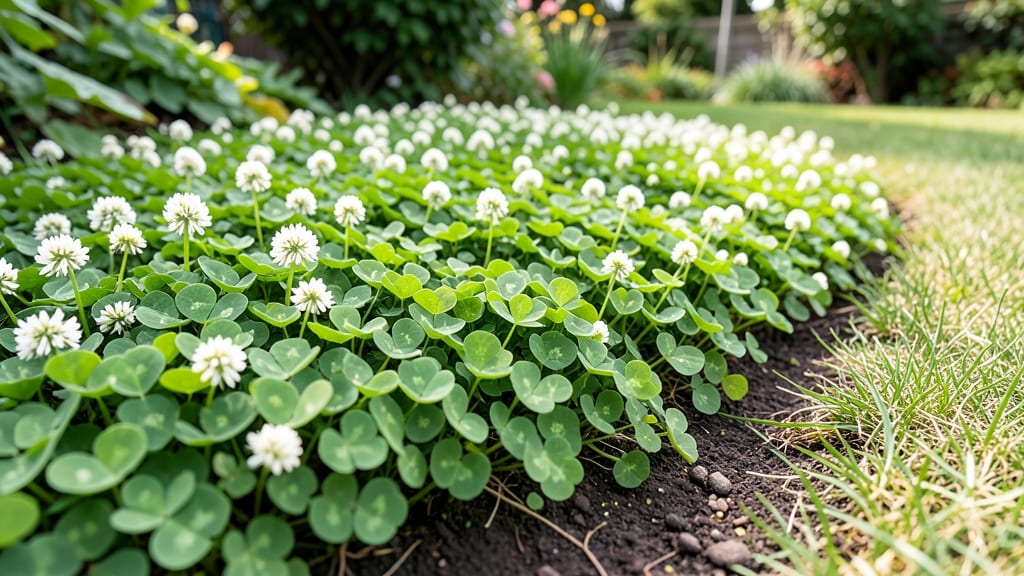
Clover lawns grow between 1 and 5 inches tall depending on the variety, offering a soft, eco-friendly alternative to traditional grass 🌱 — and the height you choose can dramatically change how your lawn looks and feels.
If you're picturing a wild, unkempt mess, think again: white Dutch clover stays neatly between 1 and 3 inches, while red clover can reach up to 5 inches if left unchecked.
The key is understanding how each type grows and how to manage it for the perfect balance of beauty and low maintenance.
Unlike grass, which needs frequent mowing to stay at a consistent height, clover thrives with minimal attention. Its natural resilience means it bounces back from drought, foot traffic, and even light mowing—making it a favorite for busy homeowners who still want a lush, green lawn.
In this guide, I’ll break down the height ranges by clover type, share pro tips for keeping it at your ideal height, and compare it to grass so you can decide if clover is the right fit for your yard.

Clover lawn height ranges by popular variety and growth habits
When transitioning from traditional grass to a clover lawn, one of the first questions I hear is: "How tall will this grow?" The answer varies by variety, but understanding these differences helps you choose the right type for your yard.
Clover lawns typically grow 3 to 6 inches tall, but specific varieties like white clover or microclover stay shorter, making them ideal for low-maintenance landscapes.
Unlike grass, which often requires frequent mowing to stay under 3 inches, clover thrives when left slightly taller. This natural growth habit reduces mowing frequency while promoting drought resistance and soil health.
However, seasonal changes can influence height—expect clover to grow faster in spring and summer when moisture and warmth are abundant.
Clover lawns also outperform grass in shady areas, where grass struggles to grow. For example, white Dutch clover often stays between 2 and 4 inches tall, while red clover can reach 6 inches or more if unchecked. Microclover, a newer variety, remains compact at just 1 to 2 inches, making it perfect for tight spaces or high-traffic areas.
| Variety | Mature Height Range | Ideal Mowing Height | Seasonal Growth Notes | Best For |
|---|---|---|---|---|
| White Dutch Clover | 2–4 inches | 2–3 inches | Fastest in spring/summer; slows in winter | Low-maintenance lawns, partial shade |
| Red Clover | 4–6 inches | 3–4 inches | Tallest in late summer; may need mowing twice | Wildflower meadows, pollinator gardens |
| Microclover | 1–2 inches | 1–1.5 inches | Slow-growing; minimal seasonal change | Urban lawns, high-traffic areas |
| Traditional Grass (Kentucky Bluegrass) | 2–4 inches | 2.5–3.5 inches | Fastest in spring; goes dormant in winter | High-maintenance lawns, sports fields |
If you're used to mowing traditional grass lawns, you’ll notice clover requires less frequent cutting. For instance, white Dutch clover might only need mowing every 4 to 6 weeks in summer, while red clover could demand attention every 3 to 4 weeks during peak growth.
Microclover, on the other hand, often goes months without mowing, making it a favorite for low-maintenance gardens.
One key advantage of clover is its ability to self-repair. Unlike grass, which can develop bare patches, clover spreads through runners, filling in thin areas naturally. This trait makes it ideal for drought-prone regions or areas with poor soil, where grass struggles to establish.
However, if left unchecked, taller varieties like red clover can become weed-like, so regular monitoring is essential.
To maintain the perfect height, I recommend using a sharp mower blade set to the ideal height for your clover type. For example, set your mower to 2 inches for white clover and 3 inches for red clover.
Avoid cutting more than one-third of the plant height at once, as this can stress the clover and reduce its resilience to drought or foot traffic.
Seasonal adjustments are also crucial. In spring and summer, when clover grows most aggressively, you may need to mow more frequently. However, in fall and winter, growth slows significantly, and mowing can often be skipped entirely.
This natural rhythm aligns perfectly with eco-friendly lawn care, reducing fuel and time spent on maintenance.
For those concerned about aesthetics, remember that clover lawns develop a dense, velvety texture when well-maintained. Unlike grass, which can look patchy, clover’s tri-foliate leaves create a lush, green carpet that’s both functional and visually appealing.
With the right variety and mowing routine, you can achieve a lawn that’s not only taller than grass but also more resilient and sustainable.
How to control clover lawn height: mowing, trimming, and maintenance tips
Maintaining your clover lawn at the perfect height isn't just about aesthetics—it's about promoting healthy growth and preventing common issues like weed invasion or soil compaction. Unlike traditional grass, clover thrives when left slightly taller, but knowing when to trim makes all the difference.
The key is balancing mowing frequency with the variety of clover you're growing, as white clover and red clover have different ideal heights.
For most homeowners, the biggest challenge is deciding how short to cut without stressing the plants. A good rule of thumb is to never remove more than one-third of the plant height in a single mowing.
This ensures your clover stays lush while avoiding the shock that can lead to patchy growth. For example, if your clover reaches 4 inches tall, aim to keep it between 2.5 and 3 inches—this range works for both white clover and microclover varieties.
When it comes to mowing techniques, a sharp lawnmower blade is your best friend. Dull blades tear clover stems instead of cleanly cutting them, which can invite disease and create an uneven look.
I recommend using a mulching mower to return clippings to the soil—this adds organic matter and reduces the need for fertilization. For larger lawns, a reel mower is a great eco-friendly option, though it requires more effort.
Always mow when the clover is dry to avoid clumping and ensure even cuts.
Timing your mows is just as important as the height. Aim to mow your clover lawn every 2-3 weeks during the growing season (spring through fall). In summer drought or winter dormancy, you can extend this to every 4-6 weeks since growth slows significantly.
Pro tip: Mow in the late afternoon to allow dew to dry off the blades, reducing the risk of spreading fungal spores. Avoid mowing when the clover is wet, as this can smother the plants and create muddy patches.
Common mistakes can turn your dream clover lawn into a maintenance nightmare. One of the biggest is mowing too short, which weakens the plants and leaves them vulnerable to weeds.
Another is skipping regular mowing, which allows clover to flower excessively—while this benefits pollinators, it can make the lawn look unkempt. If you notice uneven growth, it might be due to uneven sunlight or soil compaction.
To fix this, aerate the soil in early spring and overseed thin areas with more clover seeds to restore density.
For those who want a neater, manicured look, consider trimming the edges with a string trimmer or hand shears after mowing. This is especially helpful if your clover lawn borders a garden bed or pathway.
Remember, clover is resilient, so don't stress over the occasional missed mow. With the right height management and seasonal adjustments, your clover lawn will stay vibrant, healthy, and low-maintenance all year round. ✂️🌿🌱