
Lawn
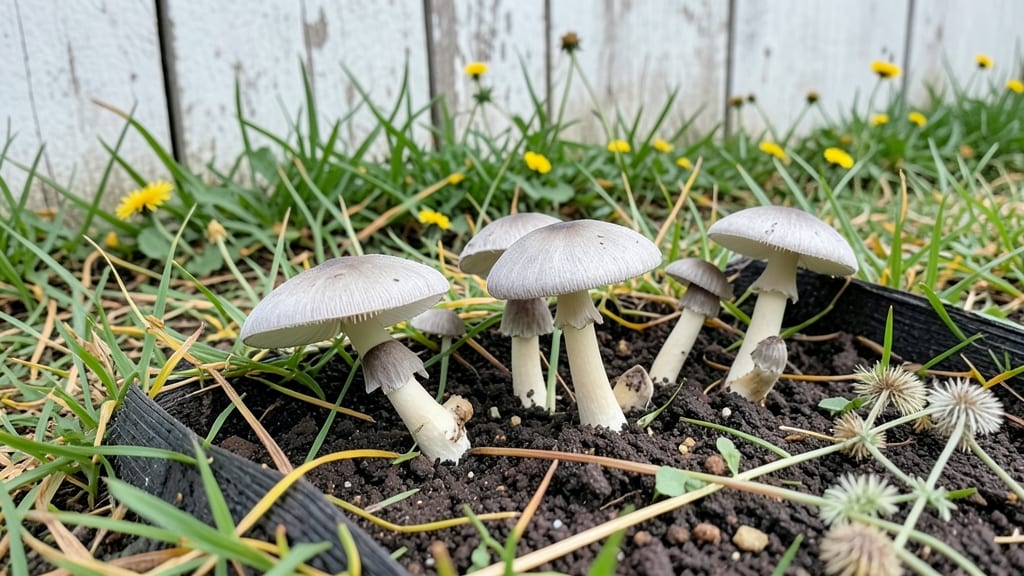
Mushrooms popping up in your brand-new sod aren’t just weird—they’re a sign your lawn’s soil is throwing a party for fungal spores. 🌱 I’ve seen this happen after sod installation more times than I can count, and the good news is you can stop it fast without chemicals.
The key is understanding why they show up and how to flip the soil conditions so your grass thrives instead.
New sod creates the perfect mushroom buffet: damp, shaded, and rich in organic matter—exactly what fungal spores crave. These mushrooms aren’t harming your grass (they’re just hogging nutrients), but they’re a red flag that your soil isn’t balanced yet.
The fix? Aerate, adjust moisture, and add a thin layer of compost to crowd out the mushrooms naturally. Within a few weeks, your lawn will look like the lush carpet you paid for.
Here’s the game-changer: mushrooms disappear when soil conditions change. Overwatering or thick thatch feeds them, but a simple core aeration and a light raking to expose the sod edges will dry things out.
Add a quarter-inch of compost in late spring, and your grass will outcompete the fungi by summer. No more mystery mushrooms—just thick, green blades.
This works for both cool-season and warm-season grasses, though warm-season lawns recover faster in hot climates. The trick is consistency: keep mowing high (3–4 inches) to shade out spores, and avoid heavy foot traffic until the mushrooms vanish.
You’ll have a spot-free lawn in 4–6 weeks—no waiting months for results.
The Hidden Triggers Behind Sudden Fungi
When you spot mushrooms popping up in your freshly laid sod, it’s not just a random surprise—it’s a sign that your lawn’s environment has become a perfect fungal buffet. Understanding why this happens is the first step to preventing it.
Below, we break down the key causes, backed by science, so you can tackle the root of the problem.
###
🌱 1. Excess Moisture Trapped in the Soil
Mushrooms thrive in damp conditions, and new sod is essentially a sponge soaking up water. When sod is installed, the top layer of soil can become waterlogged due to:
- Overwatering: Applying too much water at once (e.g., 1–2 inches in a single session) saturates the soil, creating anaerobic zones where fungal spores germinate. Pro tip: Water deeply but infrequently—aim for ½ inch per week, including rainfall.
- Poor Drainage: Compacted or clay-heavy soil slows water absorption, leaving pockets of moisture. Test your soil’s drainage by digging a 6-inch hole and filling it with water—if it doesn’t drain within 2 hours, amending with sand or compost can help.
- Morning Watering Mistakes: Watering in the early morning (before 10 AM) can leave sod damp for hours, inviting fungal growth. Water in the early evening instead to allow evaporation.
💡 Fix it: Use a moisture meter to check soil dampness—keep it between 30–50% moisture for healthy sod without fungal overgrowth.
###
🍄 2. Organic Debris and Decaying Matter
Mushrooms are nature’s recyclers, breaking down dead plant material. In new sod, hidden sources of organic matter can fuel their growth:
- Thatched Grass Clippings: If old sod or grass clippings weren’t fully removed before laying new sod, they create a nutrient-rich layer for spores. Pro tip: Rake away all debris before installation.
- Buried Wood or Leaves: Even small twigs or fallen leaves buried in the soil release nutrients as they decompose, signaling mushrooms to sprout. Sift soil with a fine screen before sodding.
- Compost or Mulch Residue: If compost or mulch was applied too thickly (over 1 inch) near the sod edges, it can attract fungal growth. Keep mulch 3–4 inches away from sod lines.
🔥 Fix it: Aerate the soil before sod installation to expose and break down hidden organic matter. Top with a thin layer (¼ inch) of compost to feed the grass, not the fungi.
###
🌡️ 3. Temperature and Humidity Fluctuations
Mushroom spores lie dormant until conditions are ideal. New sod disrupts the soil ecosystem, creating the perfect storm:
- Cool, Wet Springs/Falls: Temperatures between 50–70°F with high humidity (60%+) trigger spore germination. Example: A 60°F morning with overnight dew is a mushroom magnet.
- Sudden Rain After Drought: Dry soil cracks seal during droughts, trapping spores. When rain finally comes, it reactivates spores like a sprinkler system.
- Poor Air Circulation: Dense sod or tall grass blocks airflow, raising humidity near the soil. Mow high (3–4 inches) to improve ventilation.
🌡️ Fix it: Monitor your local fungal forecast (yes, it’s a thing!) via apps like Plantix. If humidity exceeds 70% for 48+ hours, consider a light raking to dry the surface.
###
🦠 4. Disturbed Soil and Compaction Stress
Laying new sod is like turning over a garden bed—it exposes buried spores and stresses the soil. Here’s how:
- Root Disruption: Digging or tilling before sod installation can sever fungal networks (yes, some fungi form underground webs!). This forces spores to recolonize quickly.
- Compaction from Foot Traffic: Walking on new sod compresses the soil, reducing oxygen and trapping moisture—ideal for mushrooms. Limit foot traffic for 2 weeks post-installation.
- Improper Soil pH: Mushrooms prefer slightly acidic to neutral soil (pH 6.0–7.0). If your soil is too alkaline (>7.5), it stresses grass roots, making them more vulnerable to fungal takeover.
🎯 Fix it: Test your soil’s pH with a $10 kit. If it’s off, amend with sulfur (to lower pH) or lime (to raise pH) before sodding. Use a garden roller (not heavy equipment) to level soil gently.
🚨 Key Takeaway: Mushrooms in new sod are rarely a sign of poor-quality grass—they’re a symptom of environmental imbalances. By addressing moisture, organic matter, climate, and soil health, you can starve the fungi before they sprout.
Quick Fixes for Fungal Growth in New Lawns
Discovering mushrooms sprouting in your freshly laid sod can be frustrating, but the good news is that most cases are temporary and manageable with the right steps. Below, we’ve mapped out practical solutions based on the most common causes—so you can restore a lush, fungus-free lawn without stress.
🍄 Remove the Mushrooms (Safely & Thoroughly)
Before treating the soil, physically remove any visible mushrooms and their root systems to prevent spores from spreading.
- 🔥 Pull them out: Use a trowel or garden fork to dig out mushrooms at the base. Avoid breaking them, as spores can release and infect other areas.
- 🧹 Bag and dispose: Place mushrooms in a sealed plastic bag and toss them in the trash (not compost). Never leave them on the lawn—this ensures spores don’t reinfect.
- 💡 Pro tip: If mushrooms keep returning, dig deeper (6+ inches) to uncover and remove hidden mycelium networks.
🌱 Improve Drainage for a Healthier Lawn
Poor drainage is a top cause of fungal growth. Fixing waterlogged soil prevents mushrooms and encourages strong root development.
- 🔧 Aerate the lawn: Rent a core aerator to create small holes (2–3 inches deep) in compacted areas. This helps water and air penetrate the soil.
- 🏗️ Level low spots: If water pools in certain areas, use a rake to redistribute soil or add a thin layer of topsoil to even out the surface.
- 🌡️ Test soil moisture: Stick a screwdriver into the ground—if it goes in easily, drainage is good. If it resists, you may need sand or organic matter (like compost) to improve structure.
⚗️ Apply Fungicidal Treatments (When Needed)
For persistent or severe mushroom outbreaks, targeted fungicides can help. Choose products labeled for lawn fungi and follow instructions carefully.
- 💊 Granular fungicides: Spread a slow-release granular treatment (like propiconazole or trichoderma-based products) over the lawn. Water lightly afterward to activate.
- 💦 Liquid sprays: For spot treatments, use a hose-end sprayer with a systemic fungicide. Reapply every 4–6 weeks or as directed.
- ⚠️ Safety first: Wear gloves and avoid treating on windy days. Keep pets and kids off the lawn until the product dries.
🌿 Boost Lawn Vitality to Outcompete Fungi
A thick, healthy lawn naturally resists mushrooms. Focus on these key steps to crowd out fungal growth:
- 🌱 Overseed thin areas: If your sod has gaps, spread new grass seed (matching your existing type) and lightly rake it into the soil. Keep moist until germination.
- 💪 Fertilize properly: Use a balanced, slow-release fertilizer (like 16-4-8) to avoid nitrogen spikes that encourage fungal growth. Follow package rates.
- 🌞 Mow high and sharp: Set your mower to 3–4 inches to shade the soil and reduce stress. Keep blades sharp to prevent tearing grass.
🛡️ Prevent Future Mushroom Outbreaks
Once your lawn is fungus-free, take these steps to keep mushrooms from returning:
| Action | How to Do It | Why It Works |
|---|---|---|
| 🌧️ Water deeply but less often | Water early in the morning (1–1.5 inches per week) and let the soil dry between sessions. | Reduces soggy conditions that fungi love. |
| 🍄 Monitor and act fast | Check for mushrooms weekly, especially after rain. Remove them immediately. | Catches outbreaks before they spread. |
| ✨ Add organic matter | Spread ¼-inch of compost over the lawn in spring/fall. Rake it in lightly. | Improves soil structure and microbial balance. |
| 🚫 Avoid heavy foot traffic | Keep heavy equipment and pets off damp grass to prevent soil compaction. | Encourages even growth and reduces fungal hotspots. |
With these targeted fixes, your new sod will recover quickly—and stay mushroom-free for seasons to come. 🌱✨
Frequently asked questions
Are mushrooms in new sod harmful to my grass?
No, mushrooms themselves aren’t harmful to your grass—they’re just competing for nutrients. The real concern is what’s causing them: overmoisture, poor drainage, or too much organic matter. Fixing those root issues (like aerating or adjusting watering) will starve out the fungi and let your sod thrive instead.
Why do mushrooms keep coming back after I remove them? Mushrooms return because their spores are still active in the soil. Digging deeper (up to 6 inches) to remove hidden mycelium networks is key—just pulling tops leaves behind the fungal roots. Combine this with core aeration and proper watering to break the cycle.
Can I use fungicide on my new lawn?
Yes, but use it as a last resort after trying natural fixes. Opt for trichoderma-based or propiconazole granules—they’re safer for grass than harsh chemicals. Always water lightly after applying and avoid treating on windy days.
How soon can I walk on my lawn after mushrooms appear? Wait until you’ve removed all mushrooms and the soil is dry to the touch. Avoid heavy foot traffic for 2 weeks to prevent compacting the soil and creating ideal mushroom-growing conditions. Light foot traffic is fine once the area’s dry.
Will compost help prevent mushrooms in my lawn?
Yes—but use it sparingly! Spread just ¼ inch of compost in spring/fall and rake it lightly into the soil. Too much organic matter feeds fungi, but this thin layer improves soil structure and crowds out mushrooms over time.