
Fertilization
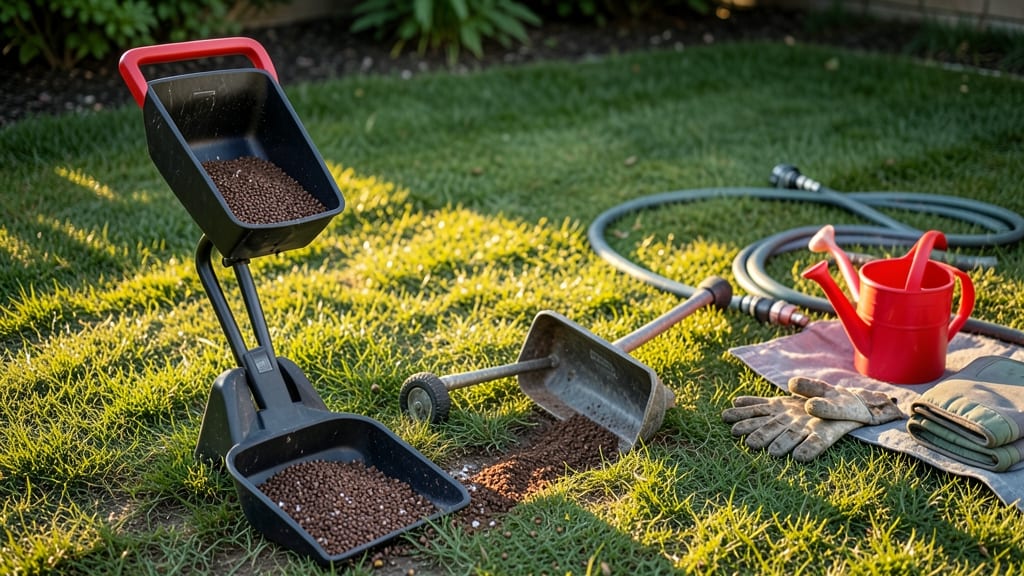
Fertilizing a new lawn at the right time is the difference between a lush green carpet and a patchy, struggling mess 🌱 — and the window for that first feeding is narrower than you think.
You’ve spent weeks seeding, watering, and waiting for that first blade of grass to pop through, only to wonder: Is it too soon to fertilize? The answer depends on your grass type, but the risk of overdoing it early is real — too much nitrogen now can burn tender seedlings or delay germination.
Here’s the exact timeline to follow so your lawn gets the nutrients it needs, when it needs them.
Cool-season grasses like Kentucky bluegrass and fescue need their first feeding about 4–6 weeks after seeding, while warm-season types like Bermuda or Zoysia wait until 6–8 weeks. Skipping this step means weaker roots, but applying too soon can stunt growth.
I’ll break down the signs your lawn is ready, the best fertilizer types for new grass, and how climate zones shift those timelines — so you never guess again.
By the end, you’ll know not just when to fertilize, but how much, what to look for, and even how to adjust for overseeding or patchy spots. Let’s get that lawn thriving on a schedule that works with nature, not against it.

First fertilizer application timeline for new lawns by grass type
Timing your first fertilizer application is everything when establishing a new lawn. Cool-season grasses like Kentucky bluegrass and fescue need their first feeding 4-6 weeks after seeding, while warm-season grasses such as Bermuda and Zoysia should wait until 6-8 weeks post-planting.
This window ensures seedlings develop strong roots before nitrogen overloads them.
I’ve learned the hard way—applying starter fertilizer too early can burn delicate grass sprouts, while waiting too long delays critical growth spurts. The key is matching your grass type to its ideal germination timeline and root establishment phase.
For example, tall fescue germinates slower than perennial ryegrass, so its first feeding should be delayed by 1-2 weeks.
Starter fertilizer is non-negotiable for new lawns—it’s packed with high phosphorus (P) to encourage root development, unlike regular lawn fertilizers that focus on nitrogen (N) for leaf growth. Think of it as a growth vitamin shot for your grass’s foundation.
After the initial feeding, switch to a maintenance fertilizer with balanced NPK ratios (like 24-4-8) for established lawns. For cool-season grasses, this happens 8-10 weeks post-seeding, while warm-season types need their first maintenance feed 10-12 weeks in.
The difference comes down to growth speed—warm-season grasses grow slower initially but need more time to harden off.
I recommend testing your soil before fertilizing—pH imbalances can make nutrients useless. Most lawn grasses prefer 6.0-7.0 pH. If your soil is acidic (<6.0), add lime 2-3 months before seeding to avoid fertilizer waste. This is especially critical for fescue, which struggles in acidic conditions.
One of my biggest lessons? Watering matters just as much as timing. Always water deeply 2-3 times weekly after fertilizing to help nutrients reach roots. Shallow watering leaves fertilizer on the surface, where it can burn grass blades or wash away.
Use a rain gauge to track 1-1.5 inches of water per session.
For overseeding existing lawns, the rules change slightly. Apply starter fertilizer 2 weeks before seeding to give new grass a head start, then follow up with light nitrogen feeds every 6-8 weeks during the growing season. This prevents competition between old and new grass for nutrients.
Watch for yellowing between veins—a classic sign of nitrogen deficiency after the initial feeding. This often means your lawn needs a quick-release nitrogen boost, but only after roots are established (typically 3 months post-seeding).
For organic options, compost tea or fish emulsion work well as gentle nitrogen sources.
Timing isn’t just about months—it’s about grass maturity. Wait until your new lawn has 3-4 inches of blade height before switching to regular fertilizer. This ensures roots can handle the nutrients without stress. Patience here pays off with thicker, healthier turf that resists weeds and drought.
Signs your new lawn needs fertilizer (and when to wait)
Knowing when to fertilize your new lawn can feel like guessing—should you feed it now or wait? The key lies in your grass’s behavior and the season. A healthy lawn shows vigorous growth, deep green color, and minimal weeds.
But if you spot pale blades, slow growth, or thin patches, it’s time to assess. Fertilizing too soon can burn tender seedlings, while waiting too long lets weeds take over.
First, check the soil color—dark brown or black indicates healthy organic matter, but gray or pale soil signals nutrient depletion. Run your fingers through the grass: if blades feel weak or sparse, they’re begging for nutrients.
Season matters too: spring and fall are prime times, but summer heat or winter dormancy should pause fertilization entirely.
-
🌱 Early Signs (4–6 Weeks After Planting)
- Grass grows only 1–2 inches in 2 weeks
- Blades appear yellowish-green instead of deep green
- Weeds like crabgrass or dandelions sprout
-
⏰ Ideal Fertilizing Window
- Cool-season grass: 6–8 weeks after seeding (early fall)
- Warm-season grass: 4–6 weeks after germination (late spring)
- Avoid fertilizing if soil temp < 50°F (cool-season) or > 85°F (warm-season)
-
⚠️ Red Flags (Wait to Fertilize)
- Grass feels spongy or mushy (overwatered)
- Fungal spots (white/purple patches)
- Thin, wispy growth with bare soil showing
If you’re overseeding or repairing patches, hold off on fertilizer until new seeds sprout and reach 2–3 inches tall. A soil test (available at garden centers) can reveal deficiencies like low phosphorus or potassium, which starter fertilizers target.
For example, a 10-20-10 NPK ratio boosts root growth, while 30-0-4 focuses on nitrogen for quick greening.
Timing is everything: apply fertilizer in the early morning or evening to avoid midday heat stress. Water lightly after application to help granules sink into the soil. Pro tip: if your lawn feels springy underfoot (like a trampoline), it’s underwatered—fix that first before fertilizing.
Remember, patience pays off. A new lawn needs 4–6 weeks to establish roots before heavy feeding. Rush it, and you’ll end up with burnt tips or uneven growth. Stick to the signs, and your grass will reward you with a lush, weed-free carpet in no time.
🌱