
Mower
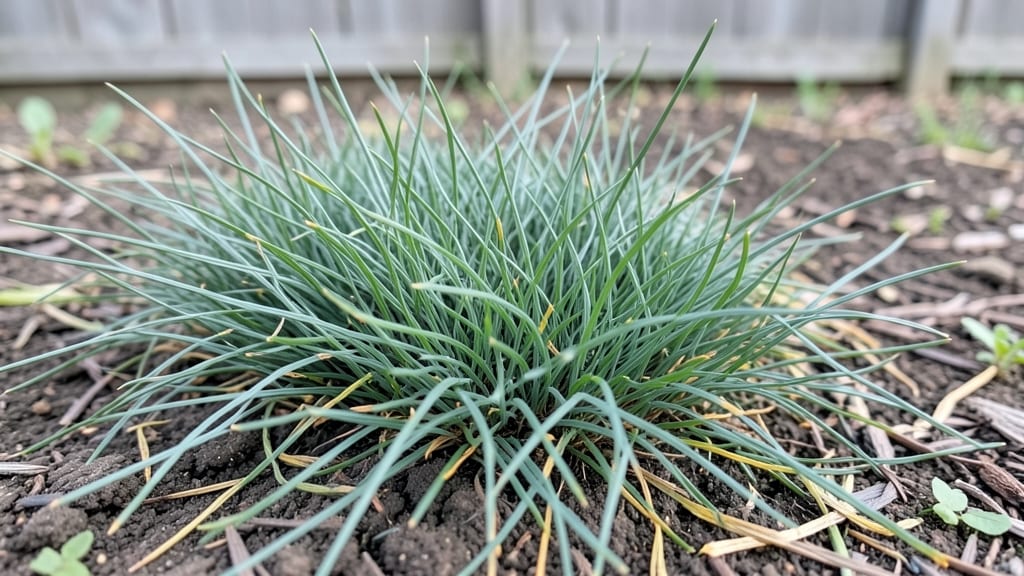
Mowing grass short weakens roots and invites weeds, but some grass types tolerate lower heights—cool-season grasses like Kentucky bluegrass need 2.5–3 inches, while warm-season grasses like Bermuda thrive at 1–1.5 inches. Always adjust for climate and foot traffic.
Cutting grass too short forces roots to stretch for sunlight, starving them of the energy they need to stay strong and healthy. 🌱 This weakens the plant’s ability to resist drought, pests, and disease—especially in high-traffic areas where recovery is slower.
For instance, Kentucky bluegrass, a cool-season favorite, struggles below 2.5 inches and may develop brown patches, while Bermuda grass actually benefits from shorter cuts because its deep roots can handle the stress better.
Another key factor is your local climate—hot, dry summers demand slightly taller grass to retain moisture, while cooler regions can handle shorter cuts more easily. I’ve found that adjusting blade height by just 0.5 inches can make a huge difference in how your lawn recovers after mowing.
Always leave the grass a little taller during droughts to protect the roots from drying out.
💡 In This Article
- How Grass Height Affects Root Health and Growth
- Best Grass Types for Short Mowing and Maintenance Tips
How grass height affects root health and growth
When you mow grass too short, you're essentially forcing the plant into survival mode. The blades can't perform photosynthesis efficiently because they're shaded by the mower deck, and the roots respond by stretching upward in search of sunlight.
This creates a shallow, weak root system that struggles to anchor the plant or absorb water and nutrients effectively. In extreme cases, roots may even recede deeper into the soil to escape the stress, leaving the grass vulnerable to drought and foot traffic. 🌱
Cool-season grasses like Kentucky bluegrass and fescue are particularly sensitive because they rely on a dense, fibrous root network. Cutting them below 2.5 inches can reduce root growth by up to 50%, making them more susceptible to heat stress and fungal diseases like brown patch.
Warm-season grasses, however, have evolved differently—types like Bermuda and Zoysia develop deep, robust root systems that can handle shorter cuts (down to 1 inch) because their roots naturally extend 6-8 inches deep, accessing moisture far below the surface.
The nutrient absorption process is directly tied to leaf surface area. Shorter grass has fewer leaves, which means less chlorophyll to convert sunlight into energy through photosynthesis. This energy deficit forces the plant to divert resources from root growth to blade regrowth, creating a vicious cycle.
For example, a 3-inch Kentucky bluegrass blade can produce 25% more energy than a 1.5-inch blade, directly impacting root development and recovery rates after mowing. 💛
Drought resistance takes a major hit when grass is cut too short. Deep-rooted warm-season grasses can survive with minimal water because their roots tap into underground moisture, but shallow-rooted cool-season grasses depend on frequent watering to compensate.
In fact, studies show that tall fescue maintained at 3.5 inches can withstand 30% less water than the same grass kept at 1.5 inches during drought conditions. The taller blades also provide better shade for the soil, reducing evaporation.
Disease susceptibility increases dramatically when grass is stressed by short cuts. Fungal spores thrive in the dense, shaded environment created by short grass, especially in humid climates.
For instance, dollar spot disease becomes more prevalent in St. Augustine grass when cut below 2 inches because the reduced airflow and increased moisture retention create ideal conditions for fungal growth.
Warm-season grasses like centipede grass actually benefit from slightly taller cuts (2-2.5 inches) because their broader leaves help dry the turf faster after irrigation.
What most people don't realize is how quickly grass recovers from different cutting heights. Cool-season grasses may take 7-10 days to regrow after a 0.5-inch cut, while warm-season grasses like Bermuda can bounce back in just 3-5 days when maintained at their optimal height.
This faster recovery gives warm-season grasses a competitive edge in high-traffic areas where frequent mowing is necessary. The key is matching your mowing height to your grass type's natural growth habits and your local climate conditions.