
Mower
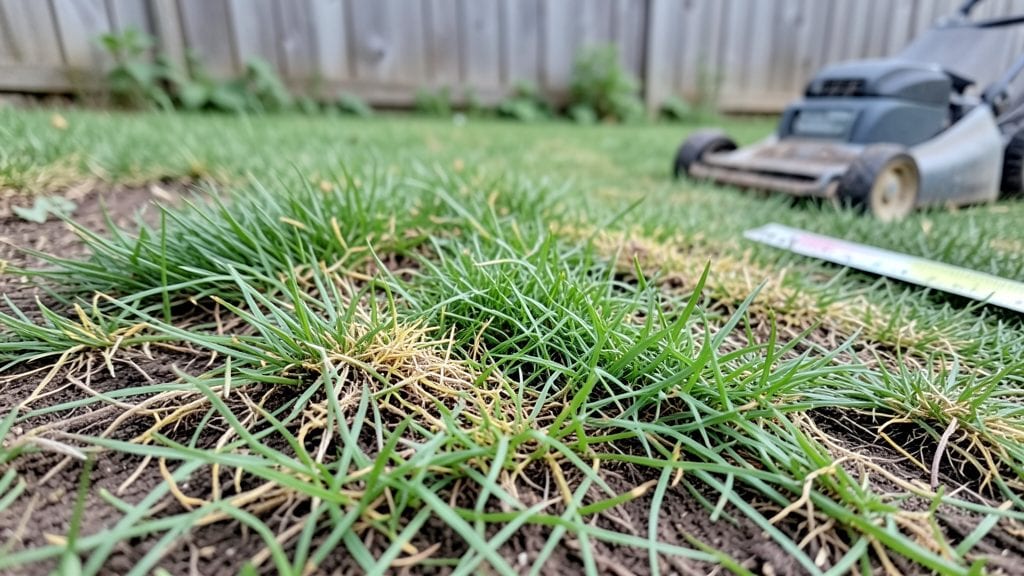
Mowing grass too short weakens roots, invites weeds, and stresses turf, leading to brown patches, increased drought sensitivity, and long-term lawn decline. Aim for 2.5 to 3.5 inches for most grass types to maintain health and resilience.
When you cut grass too short, you’re essentially starving its root system by removing the blades that convert sunlight into energy through photosynthesis.
This weakens the grass’s ability to fight off drought, pests, and weeds, leaving your lawn vulnerable to thin patches and long-term damage. 🌱 Different grass types—like cool-season varieties like fescue or warm-season types like Bermuda—have unique resilience levels, so adjusting your mower height seasonally can make a big difference in recovery.
Another key issue is soil exposure: shorter grass lets sunlight hit the ground directly, warming the soil and encouraging weed seeds to germinate. Over time, this creates a cycle where your lawn struggles to bounce back, even after you raise the blade height.
I’ve seen lawns take months to recover from scalping, so prevention—like leaving that extra inch or two—is far easier than repair.
💡 In This Article
- How Short Grass Damages Lawn Health
- Optimal Grass Height Guide by Turf Type
How short grass damages lawn health
When you mow grass too short, you're essentially pruning its food source—the blades that capture sunlight for photosynthesis. Grass blades contain about 70-80% of the plant's total leaf area, and cutting them too aggressively reduces the surface available to convert solar energy into sugars.
This forces the plant to divert energy from root growth to blade regrowth, creating a vicious cycle where roots weaken and the grass becomes more vulnerable to stress.
The root system suffers most because it relies on the blades to fuel its expansion. Cool-season grasses like Kentucky bluegrass develop roots up to 6 inches deep when properly maintained, but scalping can shrink this to just 1-2 inches.
Warm-season grasses like Bermuda grass, which naturally grow in hot climates, can handle slightly shorter cuts (1-1.5 inches) but still experience reduced root mass when pushed beyond their ideal height. The result? A shallow root network that struggles to access water and nutrients during drought.
Exposed soil becomes another major problem. Grass blades act as a living shade, keeping soil temperatures 10-15°F cooler than bare ground. When you remove too much foliage, sunlight hits the soil directly, heating it up and accelerating moisture loss.
This creates perfect conditions for weeds like crabgrass, which thrive in warm, dry soil. The soil's microbial activity also declines, reducing its ability to break down organic matter and support healthy turf.
Pest and disease pressure skyrockets when grass is scalped. Short grass leaves the crown (the thickened base where leaves and roots meet) exposed, making it easier for fungal diseases like brown patch or dollar spot to take hold.
Insects like chinch bugs also target weakened turf, feeding on roots and further stressing the plant. The combination of reduced photosynthesis, shallow roots, and increased pests creates a perfect storm for lawn decline.
Here's what happens biologically when grass is cut too short:
- Photosynthesis collapse: Blades lose 30-50% of their surface area, reducing energy production by up to 40%
- Root system shrinkage: Root growth slows by 60-70% as energy shifts to blade regrowth
- Soil temperature spike: Can rise 15°F+ higher, accelerating moisture loss and weed germination
- Crown exposure: Makes grass 3x more vulnerable to fungal infections
What most people don't realize is how different grass types react. Cool-season grasses (like fescue) can take 3-4 weeks to recover from scalping, while warm-season types (like zoysia) might bounce back in 2-3 weeks—but only if conditions are ideal.
The key is understanding your grass type's tolerance levels and adjusting your mower height accordingly. For example, Kentucky bluegrass needs 2.5-3.5 inches year-round, while Bermuda grass can handle 1-1.5 inches in summer but needs 2 inches in cooler months.
The long-term damage from mowing too short accumulates silently. What starts as minor stress becomes chronic decline—thinner grass, more weeds, and less resilience to heat or drought. The good news?
Most lawns can recover if you raise the mowing height immediately and provide proper care (watering, fertilization). But prevention—keeping that grass at the right height—is always easier than cure. 🌱