
How To
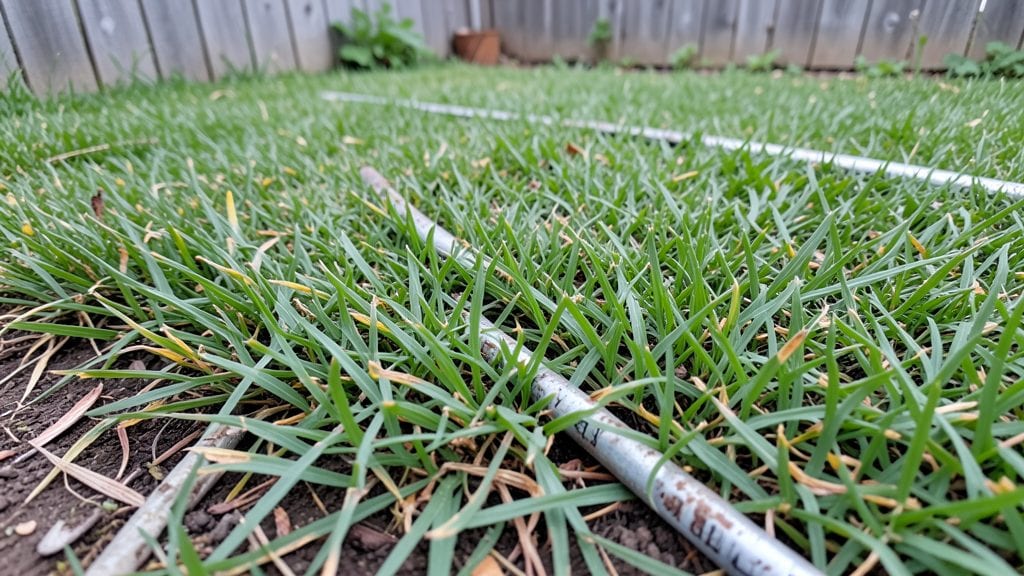
St Augustine grass grows between 3 to 4 inches tall under ideal conditions, though it can reach up to 6 inches if left untrimmed. Regular mowing maintains its lush, dense appearance and prevents weed growth while encouraging healthy growth patterns.
This warm-season grass thrives best in southern climates, where its height naturally stretches toward the 4-6 inch range during peak growing months. 🌱 Varieties like Floratam tend to stay more compact, while Palmetto can grow taller without intervention—so your local climate and grass type directly impact how tall it gets.
Proper maintenance isn't just about height control; it's about keeping the grass resilient against pests and drought.
What many homeowners overlook is how shade exposure plays a role—grass growing in partial shade often stays shorter due to reduced photosynthesis, while full-sun areas may reach maximum height faster.
I've seen cases where inconsistent mowing leads to patchy growth, so sticking to a weekly schedule during summer keeps the lawn looking uniform and healthy.
💡 In This Article
- St Augustine Grass Growth Factors Affecting Height
- Optimal Mowing Practices for St Augustine Grass
St Augustine grass growth factors affecting height
Here's what's actually happening with your lawn's height: St Augustine grass grows through a process called stolon elongation, where horizontal stems (stolons) spread outward and produce new shoots.
The variety you choose makes a huge difference—Floratam typically stays between 3-4 inches due to its dense growth habit, while Palmetto can stretch toward 5-6 inches when unchecked. This difference comes from genetic traits that control stolon length and leaf blade size.
The climate where you live plays a massive role in height regulation. St Augustine thrives in 80-95°F temperatures and high humidity, which triggers rapid growth during summer months.
In coastal areas with consistent moisture, grass can grow 1 inch per week during peak season, while inland regions with drier air may see slower growth. The grass's natural growth cycle also means it goes dormant in winter, reducing height by 50% or more during cooler months.
Soil quality directly impacts vertical growth patterns. Well-draining soil with a pH between 6.0-7.5 allows roots to access nutrients efficiently, supporting taller, healthier blades. Poor drainage or compacted soil forces roots to grow shallowly, resulting in weaker, shorter grass that struggles to reach its full height potential.
I've seen cases where lawns in clay-heavy soils stay 2-3 inches shorter than neighbors with sandy loam.
Shade exposure creates dramatic height differences. Grass growing in partial shade (2-6 hours of sun daily) often stays 1-2 inches shorter than full-sun areas because reduced photosynthesis limits energy for vertical growth. The leaves also become narrower in shaded conditions, creating a more compact appearance.
This is why you might see height variations across your lawn—some areas getting more sun will grow taller while shaded spots remain shorter.
Seasonal growth cycles explain why height fluctuates throughout the year. During spring and fall, growth slows as temperatures moderate, keeping height more consistent. Summer's intense heat and humidity trigger rapid growth, while winter dormancy can reduce height by 30-40%.
Understanding these cycles helps explain why your grass might reach 6 inches in July but only 2 inches in December—it's all part of the plant's natural rhythm.
One factor often overlooked is water availability. Proper irrigation maintains cell turgor pressure, which keeps blades upright and promotes even growth. Underwatered grass develops shorter, thinner blades as the plant conserves energy, while overwatering can lead to weak, leggy growth that reaches unnatural heights.
Aim for 1-1.5 inches of water weekly to maintain optimal growth patterns.
What most people don't realize is how these factors interact. For example, a Floratam variety in full sun with perfect soil might reach 4 inches, but the same variety in partial shade could stay at 2.5 inches.
The key is understanding your specific growing conditions and adjusting maintenance accordingly to achieve the height you want. 🌿