
Lawn
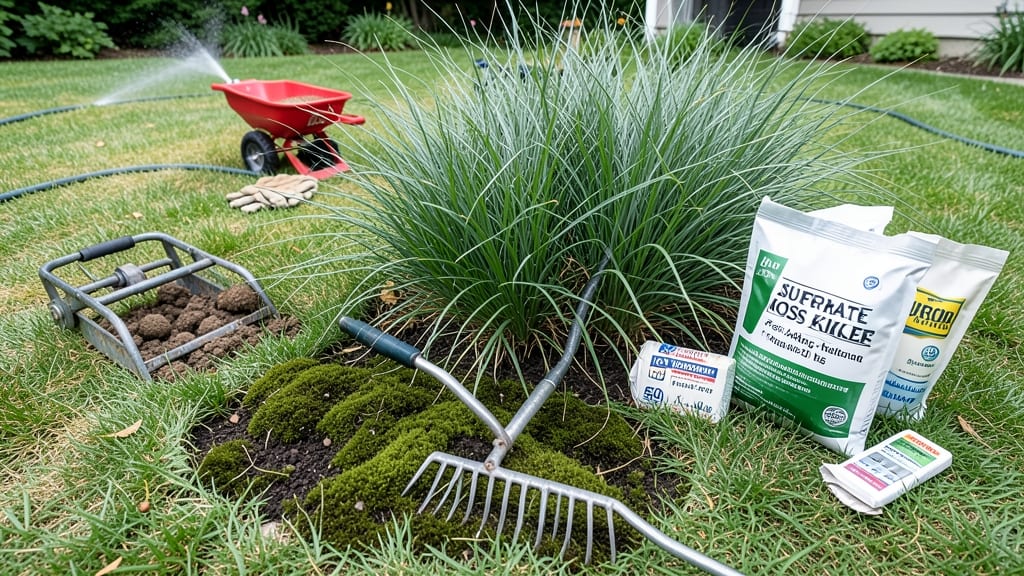
Moss prevention in lawns transformed my moss-ridden lawn into a lush, green carpet within weeks. 🌱 The secret? Targeting the root cause—acidic soil and poor drainage—while giving grass the competitive edge it needs to outmuscle moss. Most lawns suffer from this problem, but the fix doesn’t require expensive chemicals or backbreaking work.
Here’s the game-changer: a two-step approach that works for any lawn, whether it’s shaded or compacted. First, we address the soil pH with lime or iron supplements—this alone can stop moss from spreading.
Then, we overseed with shade-tolerant grass varieties that thrive where moss once dominated. The results? A thicker lawn that crowds out moss naturally.
By the end of the season, you’ll notice fewer bare patches and more vibrant green coverage. The iron treatment doesn’t just mask the problem—it strengthens your grass roots, making them resilient against future moss invasions. Plus, it’s a low-maintenance solution once you get the initial steps right.
This method works year-round, but spring and fall are the best times to start. Whether you’re dealing with a small patch or a full lawn, the same principles apply. Let’s get your grass back in control—and keep it that way for good.
The Hidden Triggers Behind Moss
Moss thrives where grass struggles—often turning your lawn into a lush, velvety green carpet in spots where the turf should reign. But why does it take over? The answer lies in a mix of environmental and lawn-care missteps.
Understanding these root causes (literally!) is the first step to reclaiming a thick, healthy lawn. Let’s break down the science behind moss invasion and what’s really going wrong.
Moss loves moisture—too much moisture. Unlike grass, which needs well-drained soil, moss thrives in soggy conditions, often forming in low-lying areas, compacted soil, or spots where water pools after rain. Here’s why it happens:
- Compacted Soil: Heavy foot traffic, machinery, or clay-heavy soil crushes soil particles, reducing air pockets. Water can’t drain properly, creating the perfect anaerobic (low-oxygen) environment moss adores.
- Clay or Sandy Soil: Clay holds water like a sponge, while sandy soil drains too quickly, leaving surface moisture that moss soaks up. Both extremes invite moss.
- Poor Grading: If your lawn slopes toward a foundation, driveway, or sidewalk, water collects in those areas, drowning grass roots and leaving moss to move in.
💡 Pro Tip: Test your soil’s drainage by digging a 6-inch hole and filling it with water. If it drains in <2 hours, you’re okay; if it’s still soggy after 6+, you’ve got a drainage issue.
Grass is a sun-worshipper—it needs 4–6 hours of direct sunlight daily to photosynthesize and grow. Moss, on the other hand, is a shade-loving opportunist. When trees, buildings, or fences block sunlight, grass weakens, and moss fills the gap. Here’s the science:
- Reduced Photosynthesis: Grass relies on sunlight to produce energy. In shade, it grows slowly, thins out, and becomes stressed—leaving bare spots for moss spores to land.
- Moss Spore Advantage: Moss spores are lightweight and travel easily. They germinate in damp, shaded conditions, while grass seeds often fail to sprout without adequate light.
- Acidic Soil Buildup: Shaded areas retain more moisture, which can lower soil pH over time. Moss prefers acidic soil (pH 4.5–5.5), while most grasses thrive in neutral to slightly alkaline soil (pH 6.0–7.5).
🌿 Actionable Fix: If shading is unavoidable, choose shade-tolerant grasses like fine fescue or creeping red fescue. For extreme shade, consider a moss-resistant ground cover instead of turf.
Moss doesn’t just invade—it changes the soil to suit its needs. Over time, it lowers pH levels, creating an environment where grass struggles. Here’s how it happens:
- Natural Acidification: Moss breaks down organic matter, releasing humic acids that lower soil pH. This makes it harder for grass to absorb essential nutrients like phosphorus and potassium.
- Lack of Lime: Grass prefers slightly alkaline soil (pH 6.0–7.5), but moss thrives in acidic conditions (pH <5.5). If your soil isn’t limed regularly, moss outcompetes grass.
- Nitrogen Starvation: Moss doesn’t need much nitrogen, but grass does. If your lawn is nitrogen-deficient (common in over-shaded or poorly fertilized areas), grass weakens, and moss moves in.
📊 Soil Test Alert: Use a DIY soil test kit to check pH. If it’s below 6.0, apply pelletized lime in early spring or fall to raise pH gradually.
Moss doesn’t invade healthy, dense grass—it replaces it. When your lawn has bare patches, thin areas, or weak turf, moss spores land and germinate with ease. Common causes of thinning grass:
- Disease or Pests: Fungal diseases (like brown patch) or grubs can kill grass roots, creating open spaces for moss.
- Overwatering or Underwatering: Both extremes stress grass. Overwatering suffocates roots, while drought weakens them—either way, moss takes over.
- Improper Mowing: Cutting grass too short (below 2–3 inches) exposes soil to sunlight and compacts it, while skipping mowing allows weeds and moss to dominate.
- Poor Seed Germination: If you’ve reseeded and had poor results, moss may have filled the gaps before grass could establish.
🔥 Quick Recovery Tip: Overseed bare spots in early fall with a high-quality grass seed mix and a starter fertilizer to outcompete moss before it spreads.
Grass needs more than just nitrogen, phosphorus, and potassium—it also relies on micronutrients like iron for vibrant green color and resilience. When iron levels drop, grass turns yellowish or pale, making it vulnerable to moss. Here’s why:
- Iron Deficiency (Chlorosis): In alkaline soils (pH >7.0), iron becomes unavailable to grass, causing it to weaken. Moss, however, doesn’t need iron to thrive.
- Competition for Nutrients: Moss absorbs nutrients from the soil, further depleting what’s left for grass. Over time, this creates a nutrient-poor cycle.
- Synthetic Fertilizer Overuse: While nitrogen-heavy fertilizers can mask iron deficiency temporarily, they don’t address the root cause—leading to weak, moss-prone grass.
✨ Iron Boost Solution: Apply an iron-based fertilizer (like iron sulfate or chelated iron) in early spring or fall to green up grass and crowd out moss.
Fixing Moss Overgrowth Naturally
Moss may seem like a stubborn lawn invader, but with the right approach, you can reclaim a lush, healthy turf—without harsh chemicals. The key is addressing the root causes while promoting grass growth.
Below are practical, step-by-step solutions tailored to common moss triggers, plus long-term prevention tips to keep your lawn thriving.
Moss thrives where grass struggles—whether due to poor sunlight or weak roots. Here’s how to outcompete it:
🔥 Step 1: Aerate & Overseed (Spring or Fall)
- Why? Compacted soil smothers grass roots, leaving moss room to grow.
Overseeding fills bare patches. - How? - Rent a core aerator (or hire a pro) to pull small soil plugs, loosening compaction. - Spread high-quality grass seed (choose shade-tolerant varieties like fine fescue if needed). - Lightly rake seeds into the soil and water gently to keep them moist for 10–14 days. - Pro Tip: 💡 Use a starter fertilizer (high in phosphorus) to encourage root growth.
🍳 Step 2: Improve Soil Drainage
- Why? Moss loves soggy conditions. Poor drainage = perfect moss habitat.
- How?
- Test your soil’s pH (ideal for grass: 6.0–7.0).
If acidic (<5.5), apply lime to raise pH. - Amend clay-heavy soil with compost or sand (50/50 mix) to improve aeration. - Install French drains or slope the lawn slightly if water pools.
👨🍳 Step 3: Mow Higher & Thicker
- Why? Taller grass (3–4 inches) blocks sunlight, choking out moss.
- How?
- Adjust your mower to never cut more than ⅓ of the grass blade at once.
- Leave clippings (they return nutrients to the soil).
- Pro Tip: ✨ If moss is already established, scalp it (mow very short) once, then raise the height afterward.
Moss loves dampness—soak up excess water and redirect it away from your lawn.
🔪 Step 1: Fix Irrigation Issues
- Why? Overwatering or poor drainage keeps moss happy.
- How?
- Water deeply but infrequently (1–1.5 inches per week, including rain).
- Check sprinklers for overspray (wet sidewalks = wasted water).
- Install soil moisture sensors to avoid guesswork.
⏰ Step 2: Improve Grading & Drainage
- Why? Low spots trap water, creating moss hotspots.
- How?
- Rake soil from depressions and redistribute it to slope the lawn away from your home.
- Add sand or gravel to problem areas to improve drainage.
- Pro Tip: 🌡️ In winter, remove snow buildup near the lawn—melting snow can drown grass.
Moss flourishes in acidic conditions (pH <5.5). Test your soil and adjust:
📊 Step 1: Test & Treat Soil pH
- How?
- Buy a DIY soil test kit ($10–$20) or send a sample to a local extension office.
- If pH is below 6.0, apply pelletized lime (follow package rates).
- Pro Tip: 🎯 Spread lime in fall (6–8 weeks before winter) for best results.
💪 Step 2: Fertilize for Grass, Not Moss
- Why? Moss doesn’t need nitrogen—grass does!
- How?
- Use a slow-release, iron-free fertilizer (high in nitrogen) in early spring and fall.
- Avoid high-phosphorus fertilizers (they encourage moss).
- Pro Tip: 🥗 For organic options, try composted manure or bone meal (low in phosphorus).
If moss persists, iron-based herbicides (like iron sulfate or ferrous sulfate) are the safest, most effective way to kill it without harming grass. Here’s how:
🍎 Step 1: Choose the Right Product
- Options:
- Iron sulfate (organic, OMRI-listed for organic lawns).
- Ferrous sulfate (fast-acting, works in 24–48 hours).
- Avoid: Copper sulfate (can harm pets/plants if overused).
🌿 Step 2: Apply Correctly
- Best time: Early morning (to avoid leaf burn from sunlight).
- How? 1. Mow mossy areas short (but not scalped). 2. Water the lawn lightly the day before (helps absorption).
- Apply granular iron with a spreader (follow label rates) OR spray liquid iron evenly.
- Water lightly afterward (but don’t overdo it). - Pro Tip: ✨ Reapply every 4–6 weeks until moss disappears (usually 2–3 treatments).
Once moss is gone, keep it away with these habits:
- ✅ Mow high (3–4 inches) to shade out moss.
- ✅ Aerate & overseed every 1–2 years.
- ✅ Test soil pH annually and adjust with lime if needed.
- ✅ Water deeply but less frequently (encourage deep roots).
- ✅ Apply iron treatments preventatively in fall (before moss spreads).
- ✅ Remove thatch (if >½ inch thick) to improve air/water flow.
Remember: Patience is key—moss removal takes 3–6 months of consistent care. But once your lawn is thick and healthy, moss won’t stand a chance! 🚀
Frequently asked questions about lawn moss control
Why does moss grow in patches instead of covering the whole lawn?
Moss thrives in specific conditions like shady, damp, or compacted areas where grass struggles. It won't spread evenly because it needs consistent moisture and poor drainage—typically found in low spots or under trees. Grass needs sunlight and well-drained soil, so moss only takes over where the turf is weak.
Can I use vinegar to kill moss in my lawn?
While vinegar works as a natural herbicide, it's not recommended for lawns because it can also harm grass. Vinegar's acidity kills all vegetation, not just moss. For targeted moss removal, use iron sulfate instead—it selectively kills moss while preserving grass. Always spot-test first!
How often should I apply iron treatments for moss prevention?
For best results, apply iron-based treatments every 4-6 weeks during the growing season (spring and fall). This creates a protective barrier that prevents moss spores from germinating. After 2-3 applications, you'll typically see significant reduction. For maintenance, one annual treatment in early fall often suffices.
Will moss come back after I treat it?
Moss will likely return if you don't address the underlying issues like poor drainage, acidic soil, or thin grass. The iron treatment kills existing moss, but you must also improve soil conditions, overseed bare spots, and maintain proper mowing height (3-4 inches). Regular care keeps moss from reestablishing.
Is moss bad for my lawn?
Moss itself isn't harmful, but it indicates underlying lawn problems like poor drainage, compacted soil, or acidic conditions. While it may look attractive, moss outcompetes grass for nutrients and space. Left unchecked, it can weaken your turf's health and make your lawn more susceptible to disease.