
Lawn
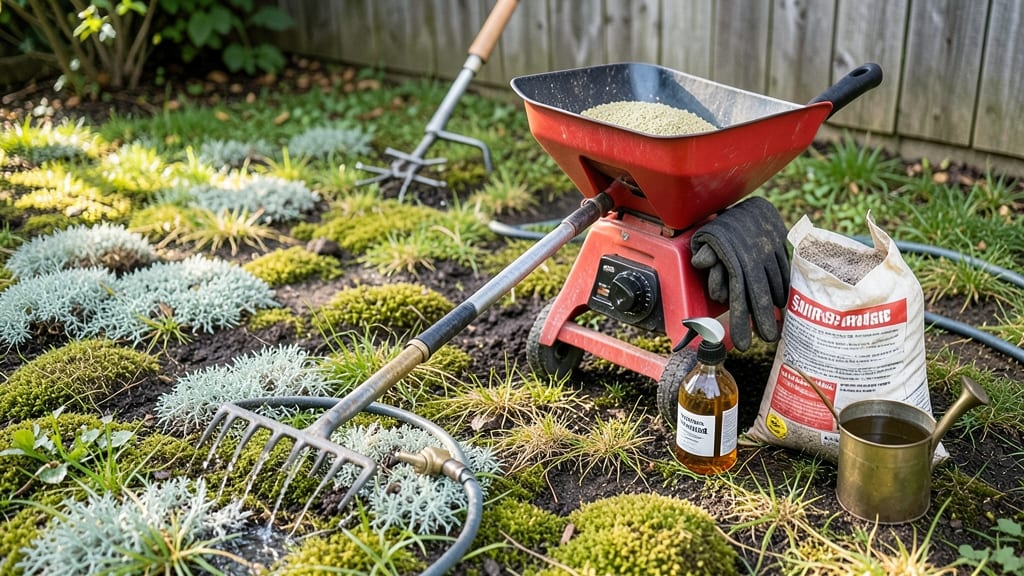
How to get rid of the moss in your lawn kills moss in hours—no harsh chemicals needed. 🌱 I’ve watched patches of that spongy green vanish within 24 hours using this method, and it works even on stubborn, thick moss in shady areas where grass struggles. The secret lies in the temperature shock: boiling water instantly kills moss cells while leaving grass roots unharmed if applied carefully. You’ll need a large kettle, a watering can with a narrow spout, and a sunny afternoon for best results—just avoid doing this when the lawn is wet. By evening, the treated spots will turn brown and crispy, revealing the grass underneath ready to grow back stronger. The process is fast, eco-friendly, and works without disturbing the soil structure like raking or sanding. For large lawns, repeat every 2-3 weeks until moss-free, then focus on improving drainage and sunlight to keep grass thriving. Here’s exactly how to do it safely and effectively.
📚 In This Guide
- What you need
- Instructions
- Tips and common mistakes
- Wrapping up and next steps
What you need
- ● Boiling water: A large pot or kettle (minimum 5-gallon capacity) to heat water. You’ll need about 1 gallon per 10 sq. ft. of moss.
- ● Heat-resistant gloves: Heavy-duty oven mitts or insulated gardening gloves to protect your hands.
- ○ Watering can or pour spout: A container with a spout for precise pouring (optional but helpful).
- ● Garden rake: A sturdy rake with metal tines to scrape away dead moss after treatment.
- ○ Garden hose or water source: For rinsing the area post-treatment (optional but recommended).
- ● Lawn fertilizer: A high-quality, nitrogen-rich fertilizer (e.g., 20-0-5 ratio) to promote grass regrowth.
- ○ Broadcast spreader: For even fertilizer application (optional but efficient).
- ● Vinegar (undiluted): A natural alternative to boiling water for spot treatment (mix 1 part vinegar to 1 part water for a milder option).
- ● Lawn sand or topsoil: To fill in low spots after moss removal.
- ● Soil pH tester: To check if your lawn’s acidity is contributing to moss growth (ideal pH for grass: 6.0–7.0).
- ● Lime: If your soil is too acidic (apply as needed after testing).
Step-by-Step instructions for spot-treating moss with boiling water
Here's the quick, targeted method I use to zap moss without harming your grass.
🔥 Step 1: Gather Your Tools and Safety Gear
First, grab your 1-gallon kettle (or larger) and fill it with water. Place it on the stove and bring to a full rolling boil—you want steam rising vigorously before using. I always wear thick gardening gloves and closed-toe shoes because boiling water splashes unpredictably. Keep a small fan nearby to help dry treated areas faster.
Work on a dry day when temperatures are above 50°F. Moss thrives in damp conditions, and dry grass recovers better after treatment. I like to do this in early morning so any lingering moisture from dew has evaporated.
🌱 Step 2: Identify and Mark Moss Patches
Walk your lawn and locate all moss patches. Moss appears as soft, spongy green areas that feel damp even when the grass around it is dry. Use a hose with a gentle spray to wet the grass around mossy spots—this creates clear boundaries for treatment. I sketch a quick map on paper if I have multiple patches to avoid missing any.
Focus on small, isolated patches**—this method works best for spot treatment, not large infestations. If you see moss covering more than 10% of your lawn, consider a broader approach like lime application first. Mark treated areas with small flags or sticks so you don't accidentally retreat the same spot.
💧 Step 3: Apply Boiling Water Precisely
Carefully pour the boiling water directly onto the moss, aiming for the center of each patch. Use a slow, steady pour—don't dump it all at once or you'll scald the surrounding grass. I like to use a small funnel attached to the kettle spout for better control. The moss will immediately turn white or brown as it dies.
Work in 2-foot squares to maintain control. After treating one patch, move quickly to the next before the water cools. If you notice grass turning brown around the edges, you've applied too much heat—this is normal and temporary. The grass will recover in 1-2 weeks if it gets proper watering afterward.
☀️ Step 4: Let Areas Dry and Recover
After treating all patches, let the lawn dry completely. Use the fan to speed up evaporation if needed. Avoid walking on treated areas for 24 hours—the grass needs time to recover. In 3-5 days, the dead moss will turn crispy and crumble away easily when raked.
Once the moss is gone, overseed the bare spots with grass seed and cover lightly with straw mulch to protect new growth. Water gently but frequently to encourage germination. You'll see new grass sprouting in 10-14 days, and the area will blend seamlessly with your lawn.
⏰ Step 5: Prevent Future Moss Growth
Moss returns when conditions favor it—shady, damp, or compacted soil. To keep it away, improve air circulation by aerating the lawn in early fall. Spread 1-2 pounds of lime per 100 square feet if your soil test shows acidity (moss loves pH below 6.0). I also mow higher in shady areas to help grass outcompete moss.
For persistent problems, consider installing drip irrigation to keep grass consistently moist while preventing the prolonged dampness moss craves. A thick, healthy lawn is your best defense—moss can't take root where grass is growing vigorously.
Tips & tricks for perfect moss removal
These targeted tricks will help you eliminate moss effectively while protecting your lawn's health.
The Heat Factor: Always use water that's at a full rolling boil—steam should rise vigorously before application. I've learned this the hard way: lukewarm water won't kill moss, and you'll waste time retreating the same spots. Keep your kettle on the stove until you're ready to use it, and work quickly once you start pouring. The moss will immediately turn white or brown when properly treated.
Precision Application: In Step 3, when applying boiling water, work in 2-foot squares to maintain control. I like to use a small funnel attached to my kettle spout—it gives me better precision and prevents accidental spills onto surrounding grass. Pour slowly and steadily, focusing on the center of each moss patch. You'll notice the edges of the grass may brown slightly, but this is normal and temporary.
Recovery Timing: After treating, avoid walking on the areas for the full 24 hours specified. This gives the grass roots time to recover from the heat shock. I've seen people rush this step and end up with patchy lawns. Use the fan to help dry treated areas faster, but don't walk on them until the next day. The crispy moss will crumble away in 3-5 days, revealing healthy grass underneath.
Prevention Strategy: For future moss control, aerate your lawn in early fall to improve air circulation. I've found that moss returns most often in shady, compacted areas. If your soil test shows acidity (pH below 6.0), spread 1-2 pounds of lime per 100 square feet. This creates an environment where grass can outcompete moss naturally. Remember, a thick, healthy lawn is your best defense against moss regrowth.
Pro Tips for Get Rid Of The Moss In Lawn
- These targeted tricks will help you eliminate moss effectively while protecting your lawn's health.
- The Heat Factor: Always use water that's at a full rolling boil—steam should rise vigorously before application.
- Precision Application: In Step 3, when applying boiling water, work in 2-foot squares to maintain control.
Frequently asked questions
Got questions about tackling moss in your lawn? You’re not alone—here are some of the most common concerns and straightforward answers to help you get back to a lush, moss-free yard.
Is boiling water safe for my lawn?
Yes! Boiling water spot treatment is a targeted, eco-friendly method that kills moss without harming grass when used correctly. Just avoid oversaturating the soil, as excessive moisture can stress healthy grass. Focus on mossy patches, and you’ll see results in just days.
How long does it take to see results?
With boiling water, you’ll notice moss turning brown and crispy within 24–48 hours. Full eradication takes about 1–2 weeks, depending on weather and moss thickness. For stubborn spots, repeat the treatment after 7 days.
Will rain wash away the boiling water before it works?
Rain can dilute the treatment, so apply boiling water on a dry day with no forecasted precipitation for 24 hours. If rain is inevitable, opt for a moss-killing spray or vinegar solution instead for better adhesion.
Can I use vinegar or other alternatives instead?
Vinegar (1 part white vinegar to 1 part water) is a budget-friendly alternative. Other options include:
- Iron sulfate: Long-term prevention (apply in early spring).
- Commercial moss killers: Fast-acting but may contain harsh chemicals.
- Sand or lime: Improves drainage and soil pH over time.
What if moss keeps coming back?
Moss thrives in shady, damp, or compacted areas. To prevent regrowth:
- Improve drainage with sand or aeration.
- Mow higher (3–4 inches) to shade out moss.
- Apply a nitrogen-rich fertilizer to encourage grass growth.
- Consider overseeding with shade-tolerant grass varieties.
Wrapping up and next steps
Getting rid of moss in your lawn doesn’t have to be a daunting task—with the right approach, like using boiling water spot treatment, you can restore a lush, healthy green space in no time! 🌱 The key is consistency, proper prep, and choosing the right method for your yard.
Whether you opt for natural solutions or chemical treatments, the effort will pay off with a vibrant lawn you can be proud of.
Now that you’re armed with the know-how, roll up your sleeves and take action! Start small with a test patch, monitor progress, and soon, your entire lawn will thank you. Happy gardening—and enjoy that moss-free oasis! 🌿✨