
Lawn
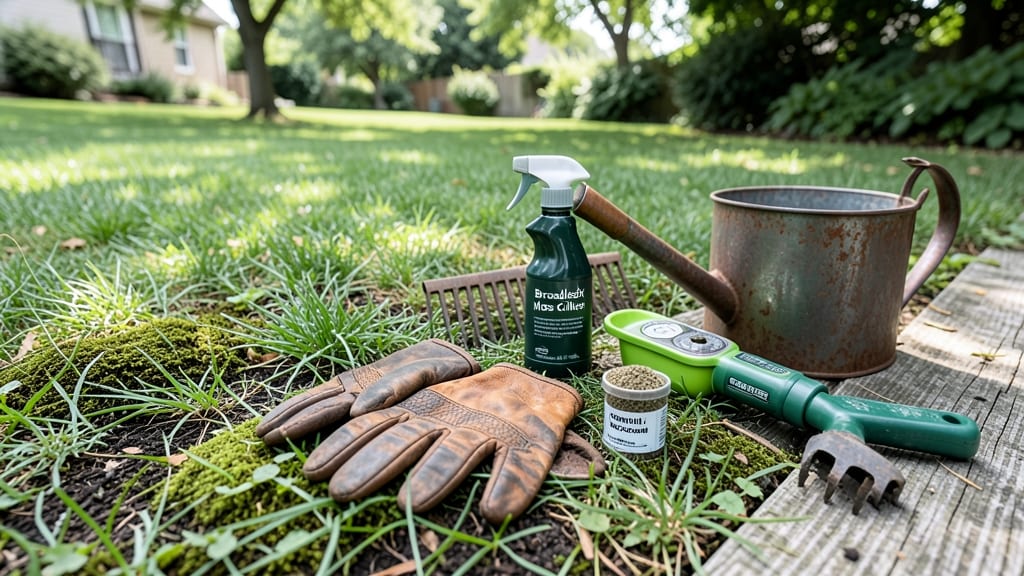
Controlling moss on lawns starts with understanding why it takes over in the first place—shady, damp spots where grass struggles to grow.
If your lawn looks like a lush green carpet in some spots and a spongy, mossy mess in others, you’re not alone. Moss thrives where grass can’t, turning your yard into a patchwork of weak, uneven growth.
But here’s the key: a pre-emergent barrier can stop moss before it even starts, saving you from costly fixes later.
This isn’t just about spraying chemicals—it’s about fixing the conditions moss loves. We’ll cover how to test your soil, choose the right barrier (organic or chemical), and apply it the right way for long-term results. No more guessing whether your lawn will stay green or turn into a mossy swamp.
By the end, you’ll have a 3-step plan to outsmart moss, improve your grass, and keep your lawn looking sharp all season. Let’s get started.
How pre-emergent barriers stop moss growth before it begins
A pre-emergent barrier works like a silent guardian for your lawn, blocking moss spores before they can germinate and take root. Unlike post-emergent treatments that attack existing moss, these barriers disrupt the germination process at the cellular level.
Think of them as a shield that creates an inhospitable environment for moss spores, while still allowing grass seeds to thrive.
Moss spores are microscopic but mighty—they float in the air and land on your lawn all year long. When conditions are right (cool temperatures, high humidity, and acidic soil), they germinate within 24-48 hours.
A pre-emergent barrier contains active ingredients that interfere with the spores' ability to sprout, effectively starving them before they become a problem.
The science behind these barriers is rooted in plant growth regulators. Synthetic options like propyramide or pendimethalin mimic natural hormones that moss needs to grow. Organic alternatives, such as corn gluten meal, provide a different approach by denying spores essential nitrogen during their early stages.
Both methods achieve the same goal: stopping moss in its tracks.
Timing is everything when it comes to pre-emergent barriers. The best windows are early spring (March-April) and early fall (September-October), right before moss spores become active. Applying too early or too late reduces effectiveness because spores may already be germinating or dormant. For example, in USDA Zone 6a, applying in April targets spring germination, while a September application prepares for fall spores.
Let’s break down how these barriers compare in real-world scenarios. The table below highlights the key differences between organic and synthetic options, including their effectiveness, application frequency, and impact on soil health.
The choice between organic and synthetic barriers depends on your lawn’s specific needs and your environmental priorities. For instance, corn gluten meal is ideal if you’re committed to organic gardening, as it also adds 2-3% nitrogen to the soil while suppressing moss.
On the other hand, synthetic barriers like propyramide offer longer-lasting protection, making them perfect for lawns with persistent moss issues in shady or damp areas.
One common misconception is that pre-emergent barriers harm grass. In reality, they’re designed to target broadleaf weeds and moss spores while allowing grass seeds to establish. The key is applying the barrier after overseeding or using a grass-safe formula.
For example, pendimethalin is selective and won’t kill grass if applied correctly, but it will stop moss spores from germinating.
Long-term soil health is another critical factor. Organic options like corn gluten meal enrich the soil over time, improving its structure and fertility. Synthetic barriers, however, may require additional soil amendments (like lime or sand) to maintain balance, especially in acidic or compacted soil.
If your lawn has poor drainage, combining a pre-emergent barrier with aeration can enhance its effectiveness by improving oxygen flow to grass roots.
For best results, pair your pre-emergent barrier with regular lawn maintenance. This includes mowing at 3-4 inches to encourage deep roots, watering deeply but infrequently (1 inch per week), and overseeding with shade-tolerant grass varieties like fine fescue.
These steps create an environment where grass outcompetes moss naturally, even after the barrier’s protection wears off.
Remember, moss control isn’t a
3-Step process to apply a moss-proof pre-emergent barrier
A pre-emergent barrier is your first line of defense against moss, but proper application makes all the difference. Start by testing your soil pH—moss loves acidic conditions (below 6.0 pH).
Use a simple test kit to check, then adjust with lime if needed. This step ensures your barrier works where moss is most active.
Next, aerate your lawn to break up compacted soil. Compacted areas trap moisture, creating perfect moss-growing conditions. Rent a core aerator or use a manual spike aerator for smaller lawns. Focus on shady, damp patches where moss already exists—this helps the barrier penetrate effectively.
-
Step 1: Choose Your Barrier
- Corn Gluten: Organic, blocks spores (apply in fall)
- Iron-Based: Kills moss instantly (best for existing patches)
- Chemical: Long-term prevention (follow label rates)
-
Step 2: Apply Evenly with Tools
- Use a spreader for chemicals (calibrate for 1 lb per 500 sqft)
- For corn gluten, mix with compost and spread by hand
- Water lightly after application (½ inch to activate)
-
Step 3: Monitor & Retreat
- Reapply annually in fall for organic barriers
- Check for bare spots—reseeds grass if needed
- Avoid heavy foot traffic for 48 hours post-application
After applying your barrier, overseed with grass to outcompete moss. Choose shade-tolerant varieties like fine fescue or creeping red fescue for problem areas. Water deeply but infrequently to encourage deep root growth—this dries out the surface, making it less hospitable for moss.
Common mistakes to avoid: applying barriers in hot weather (burns grass), skipping soil prep (reduces effectiveness), or using too much chemical (harms beneficial microbes). Always follow label instructions and wear gloves if handling iron-based products.
With this 3-step process, your lawn will stay moss-free and lush. The key is consistency—pre-emergent barriers work best when combined with proper lawn care, like regular mowing and aeration. Soon, you’ll have a thick, green carpet instead of a mossy mess!