
Lawn
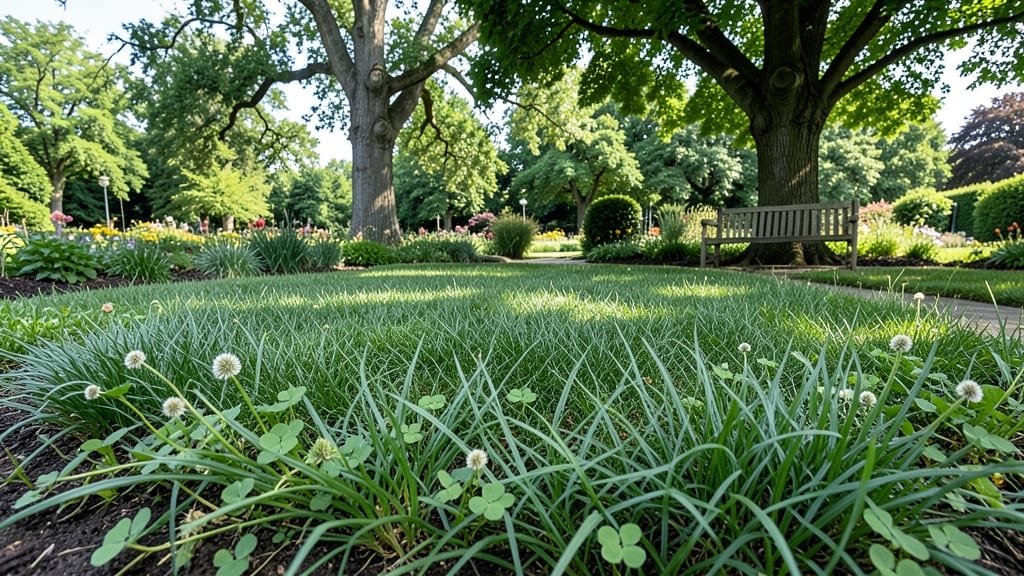
Creating a green space lawn and landscape that survives drought while looking stunning year-round starts with a few smart choices most people overlook.
I designed my own drought-resistant yard after watching my neighbors' lush lawns turn brown every summer—until I swapped thirsty grass for a mix of native plants and smart hardscaping. The result? A space that stays vibrant even when water restrictions hit, with zero extra effort once established.
Think of your landscape as layers: drought-tolerant ground covers like creeping thyme or sedum for texture, clumping grasses that stay green without drinking the pool dry, and strategic shrubs like lavender or rosemary that double as privacy screens.
Add mulch to lock in moisture, and you'll cut water use by half while boosting curb appeal. The best part? These plants thrive in your local climate once you match them to your soil and sunlight.
By mid-summer, your yard will look like a curated garden instead of a water-guzzling lawn. The fragrant herbs attract pollinators, the deep green foliage adds year-round structure, and the low-maintenance design means more time relaxing outdoors.
Privacy? Check. Eco-friendly? Absolutely. And the best part? Your neighbors will ask for your secret—because this isn't just surviving drought, it's thriving on it.
Whether you have a small urban patio or a half-acre backyard, the same principles apply. Start with one section, observe how it performs, then expand. The key is plant placement—group thirsty plants together near a drip system, and let the drought-resistant stars shine in the sunniest spots.
Ready to transform your outdoor space into a resilient, beautiful oasis?
📚 In This Guide
- What you need
- Instructions
- Tips and common mistakes
- Wrapping up and next steps
What you need
- ● Drought-resistant plants: 15-20 native shrubs (e.g., lavender, yarrow, or ceanothus), 20-30 perennials (e.g., sedum or salvia), and 5-10 ornamental grasses.
- ● Mulch: 2-3 cubic yards of organic mulch (e.g., wood chips or straw) to retain moisture and suppress weeds.
- ● Soil amendments: 10-15 bags of compost or a slow-release fertilizer (e.g., 10-10-10 NPK ratio) to enrich the soil.
- ● Drip irrigation system: 50-100 feet of tubing, emitters (1-2 per plant), a timer, and a backflow preventer for efficiency.
- ● Ground cover: 50-100 square feet of clover, creeping thyme, or ice plant for weed suppression.
- ● Essential tools: Shovel, rake, pruners, wheelbarrow, and a soil knife for precision planting.
- ○ Optional (but helpful): A soil tester kit to check pH and nutrient levels.
- ● A lawn aerator (manual or electric) for improving soil drainage.
- ● A leaf blower or broom for debris cleanup.
- ● Site assessment: Measure your space, note sunlight/shade patterns, and identify existing drainage issues.
- ● Permits (if needed):
- ● Weather check: Plan for a window of 2-3 days with no rain forecasted for planting.
Step-by-Step guide to designing a drought-resistant landscape
Transform your outdoor space into a resilient, water-wise oasis that stays lush without constant care.
Assess Your Site and Climate Conditions
Begin by evaluating your property's unique characteristics—sun exposure, soil type, and microclimates. Walk your yard at different times of day to note where sunlight lingers longest and where shade dominates. Take soil samples from several areas: dig a hole about 6 inches deep and observe the texture. Sandy soils drain too quickly, while clay holds moisture excessively. Most drought-resistant plants thrive in well-draining soil with 50-70% sunlight, but some native species adapt to partial shade.
Note wind patterns—trees or fences can create sheltered zones where moisture lingers longer. This assessment guides plant placement and irrigation strategy. I always sketch a rough layout marking sun/shade patterns and soil variations. This ensures every plant gets conditions it can handle with minimal supplemental water.
Select Native and Drought-Tolerant Plants
Prioritize native plants—they've evolved to thrive in your region's climate and soil. For example, sedum and yarrow handle heat and drought beautifully, while lavender and Russian sage add texture and fragrance. Group plants with similar water needs together: succulents and ornamental grasses need less, while shrubs like manzanita tolerate occasional moisture.
Visit your local nursery and ask for drought-resistant varieties suited to your hardiness zone. I typically select a mix of perennials, shrubs, and ground covers to create layers. Avoid turf grass in high-traffic areas—opt for clover or buffalo grass instead. These alternatives require 30-50% less water once established.
Design for Water Efficiency
Plan your layout to minimize irrigation needs. Place thirstier plants near downspouts or in areas where runoff collects naturally. Use mulch (2-3 inches deep) around all plants to retain soil moisture and suppress weeds. Organic mulch like wood chips also improves soil structure over time.
Incorporate hardscaping—gravel paths, decomposed granite, or permeable pavers—to reduce lawn areas. These surfaces reflect sunlight, reducing heat absorption, and eliminate the need for frequent watering. I often design "dry creek beds" with rocks and native plants to channel water efficiently during rare rains.
Install Efficient Irrigation Systems
Drip irrigation or soaker hoses deliver water directly to roots, reducing evaporation and runoff. Install a timer to water deeply 2-3 times per week rather than daily shallow watering. For new plantings, water every other day for the first two weeks to encourage root establishment, then taper to weekly deep watering once established.
Group plants by water needs and create separate irrigation zones. Use moisture sensors to automate watering based on soil conditions rather than a fixed schedule. I always install a rain sensor to shut off systems during natural precipitation, saving thousands of gallons annually.
Maintain Long-Term Resilience
Monitor plant health monthly—look for signs of stress like wilting or yellowing leaves. Most drought-tolerant plants show resilience by developing deeper root systems over time. Prune dead or diseased branches promptly to maintain plant vigor. I schedule deep watering sessions during early morning to minimize evaporation and fungal risks.
Replenish mulch annually and top-dress soil with compost to improve moisture retention. Native plants typically require less maintenance once established, but I still inspect for pests like aphids or spider mites, which thrive in dry conditions. A balanced approach keeps your landscape thriving with minimal water.
Tips & tricks for creating a thriving drought-resistant landscape
Creating a landscape that thrives without constant watering is all about smart planning and strategic choices. Here are the game-changing insights I've learned from designing water-wise outdoor spaces that stay vibrant year-round.
Site Assessment is Non-Negotiable: When evaluating your 6-inch-deep soil samples in Step 1, pay special attention to how water behaves after a rain. Sandy soils will drain within minutes, while clay holds moisture for days. I always test drainage by pouring a gallon of water in a hole—if it drains in under 30 minutes, you're good; if it pools, amend with compost to improve structure. This simple test prevents waterlogging that can drown roots.
Native Plants Are Your Secret Weapon: In Step 2, don't just pick any drought-tolerant plants—choose natives that have evolved in your specific climate. For example, manzanita thrives in California's dry summers but would struggle in humid Southern climates. I recommend visiting local botanical gardens to see which plants naturally flourish in your area. Their resilience comes from centuries of adaptation, not just marketing labels.
Mulch Depth Matters More Than You Think: The 2-3 inches of mulch mentioned in Step 3 isn't just decoration—it's a moisture barrier that can reduce water needs by up to 40%. I use wood chips because they break down slowly, improving soil structure over time. The key is to keep mulch 2-3 inches away from plant stems to prevent rot. For extra insurance, I top-dress with compost annually to maintain that moisture-retaining layer.
Irrigation Timing Is Everything: The 2-3 times weekly watering in Step 4 works wonders, but timing makes all the difference. I schedule deep watering between 4-8 AM when temperatures are coolest and evaporation is minimal. This gives plants time to absorb moisture before the heat of the day. For new plantings, that every-other-day schedule for two weeks is crucial—it helps roots establish before transitioning to weekly deep watering.
Pro Tips for Green Space Lawn And Landscape
- Creating a landscape that thrives without constant watering is all about smart planning and strategic choices.
- Site Assessment is Non-Negotiable: When evaluating your 6-inch-deep soil samples in Step 1, pay special attention to how water behaves after a rain.
- Native Plants Are Your Secret Weapon: In Step 2, don't just pick any drought-tolerant plants—choose natives that have evolved in your specific climate.
Frequently asked questions
Got questions about creating a stunning, drought-resistant green space? Here are answers to some of the most common concerns—so you can design with confidence!
What are the best drought-resistant plants for a low-maintenance lawn?
Opt for native grasses like Buffalo grass or Fescue, which thrive with minimal water. Succulents (e.g., Sedum or Agave) and drought-tolerant shrubs like Lavender or Russian Sage also excel. These plants conserve water while adding texture and color to your landscape.
How long does it take to establish a drought-resistant lawn?
With proper care, a drought-resistant lawn typically establishes in 3–6 months. Native grasses may take slightly longer, but they’ll reward you with deep roots and resilience. Mulch lightly, water deeply (but infrequently), and avoid heavy foot traffic during the first year for best results.
Can I convert my existing lawn to drought-resistant plants?
Yes! Start by removing sod or mowing existing grass short. Till the soil, add compost, and plant drought-resistant species. For a gradual transition, use a sod cutter to remove patches and replace them with native plants. This method reduces stress on your lawn and soil.
How often should I water a drought-resistant landscape?
Water deeply 1–2 times per week (early morning is best) during the first growing season. Once established, most drought-resistant plants need water only during prolonged dry spells. Use drip irrigation or soaker hoses to minimize evaporation and waste.
What’s the best way to prevent pests in a drought-resistant garden?
Healthy soil and native plants naturally deter pests! Ensure proper drainage, avoid overwatering, and introduce beneficial insects like ladybugs or praying mantises. If issues arise, use organic pesticides (e.g., neem oil) sparingly. Strong, resilient plants are your best defense!
| Quick Tip | Pro Move |
|---|---|
| Test your soil before planting to adjust pH or nutrients. | Group plants by water needs to simplify irrigation. |
| Mulch with wood chips or gravel to retain moisture. | Add rocks or boulders for a modern, water-wise aesthetic. |
Wrapping up and next steps
Creating a drought-resistant green space isn’t just about saving water—it’s about crafting a stunning, sustainable lawn and landscape that thrives with minimal effort.
By choosing native plants, smart irrigation, and eco-friendly materials, you’re not only reducing your environmental footprint but also building a resilient outdoor oasis that looks beautiful year-round. 🌿✨
Ready to transform your space? Start small—pick one section of your yard to revamp, or research local native plants to expand your garden gradually. Every step counts, and your future self (and the planet!) will thank you.