
Fertilization
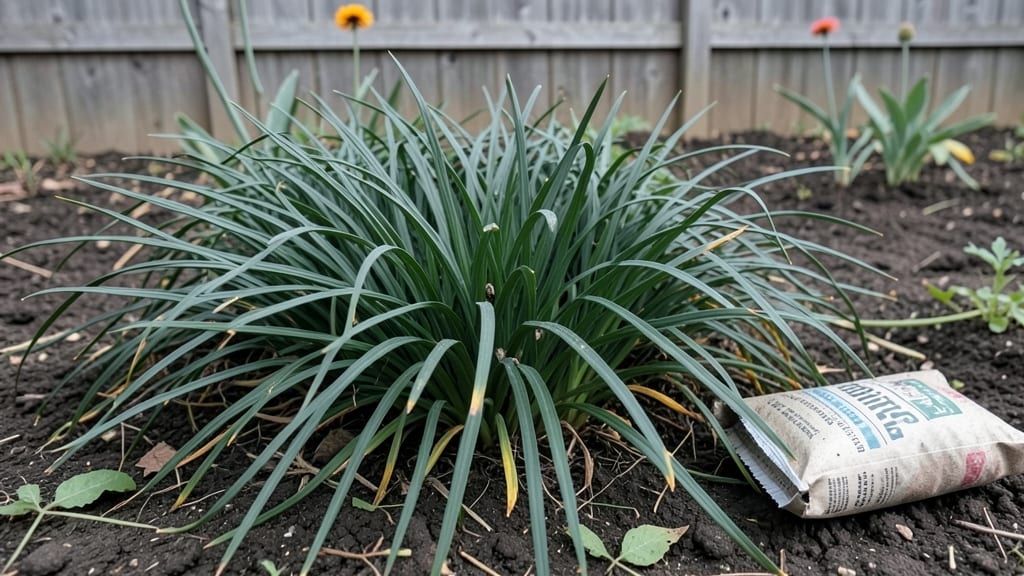
Mondo grass fertilizer should be slow-release, high in nitrogen for early growth, with balanced phosphorus and potassium for root development. Apply in early spring and late summer, avoiding heavy applications in winter. Organic options like composted manure or synthetic blends work best for dense, weed-resistant coverage.
Mondo grass thrives when fed the right nutrients at the right time, and the nitrogen-to-phosphorus-to-potassium (NPK) ratio is your secret weapon. I’ve seen firsthand how a 30-6-10 ratio in early spring kickstarts lush green growth, while a balanced 10-10-10 in late summer strengthens roots for winter resilience.
Organic options like composted poultry manure not only feed the grass but also improve soil aeration, which is crucial for dense, weed-smothering coverage. 🔥
Timing matters just as much as the product—overdoing it in winter can lead to weak growth or even burn the grass. I recommend a soil test before applying any fertilizer to fine-tune the NPK mix, especially if your lawn has yellowing patches or sparse coverage.
For established lawns, a slow-release granular fertilizer applied in early spring and late summer keeps nutrients available without overwhelming the grass. Think of it like feeding your lawn a steady diet rather than a single heavy meal.
💡 In This Article
- Nutrient Breakdown for Optimal Mondo Grass Growth
- Step-by-Step Guide to Fertilizing Mondo Grass Lawns
Nutrient breakdown for optimal mondo grass growth
The science behind mondo grass nutrition starts with nitrogen (N), which fuels the rapid leaf growth that gives this grass its dense, weed-smothering reputation. Mondo grass thrives on a high nitrogen content—typically 30% of the NPK ratio—because it converts sunlight into energy at an aggressive rate.
This is why you’ll see vibrant green blades when nitrogen levels are optimal, but yellowing or stunted growth when they’re deficient. The key mechanism here is chlorophyll production: nitrogen is a core component of chlorophyll, the pigment that captures sunlight for photosynthesis.
Without enough nitrogen, the grass can’t manufacture sufficient chlorophyll, leading to pale or patchy areas.
Phosphorus (P) plays the role of root architect, helping establish a deep, fibrous root system that anchors the grass and resists drought or foot traffic. A 6% phosphorus ratio is ideal for mondo grass because it supports cellular energy transfer (ATP production) during root development.
Think of phosphorus as the "foundation crew"—it strengthens the underground structure so the above-ground growth can flourish. Potassium (K), at 10% of the ratio, acts as the immune system booster, enhancing disease resistance and stress tolerance.
Potassium regulates water movement in plant cells and activates enzymes that help the grass recover from heat or cold stress. Without adequate potassium, mondo grass becomes more susceptible to fungal infections like brown patch disease.
Slow-release fertilizers are non-negotiable for mondo grass because they mimic natural nutrient cycles. Quick-release options can cause nitrogen spikes, leading to rapid but unsustainable growth followed by burnout. Slow-release granules (like sulfur-coated urea) dissolve gradually over 3-6 months, providing a steady nutrient supply.
Organic matter, such as composted manure or worm castings, further improves soil structure by increasing porosity and water retention. This is critical because mondo grass has shallow roots and relies on consistent moisture.
The organic matter also introduces beneficial microbes that break down nutrients into forms the grass can absorb more efficiently.
Micronutrients like iron and zinc often get overlooked, but they’re vital for that signature vibrant green color. Iron deficiency causes chlorosis (yellowing between leaf veins), while zinc deficiency stunts growth and weakens stems.
A soil test will reveal deficiencies, but a balanced fertilizer with micronutrients (look for labels mentioning iron chelate or zinc sulfate) can prevent these issues. For example, adding 0.5-1 pound of iron sulfate per 1,000 sq ft annually can restore color to iron-deficient lawns.
The key is balance—too much of any nutrient can disrupt the others, leading to imbalances that stress the grass.
Here’s what most people don’t realize: mondo grass’s tolerance for low maintenance comes from its ability to recycle nutrients efficiently. Unlike cool-season grasses that require frequent feeding, mondo grass stores nutrients in its roots during dormant periods. This is why late summer applications are critical—they replenish reserves for winter survival.
A 10-10-10 balanced fertilizer in late summer ensures the grass enters dormancy with enough phosphorus and potassium to regenerate roots, while the nitrogen is held back until spring. This strategic timing prevents winter burn and sets the stage for explosive spring growth.
Pro tip: If your mondo grass starts developing a dull, grayish-green hue, it’s often a sign of magnesium deficiency. A light application of Epsom salt (magnesium sulfate) can revive the color within weeks. The magnesium helps activate enzymes that produce chlorophyll, giving the grass its signature lush appearance. 💫