
Light Requirements
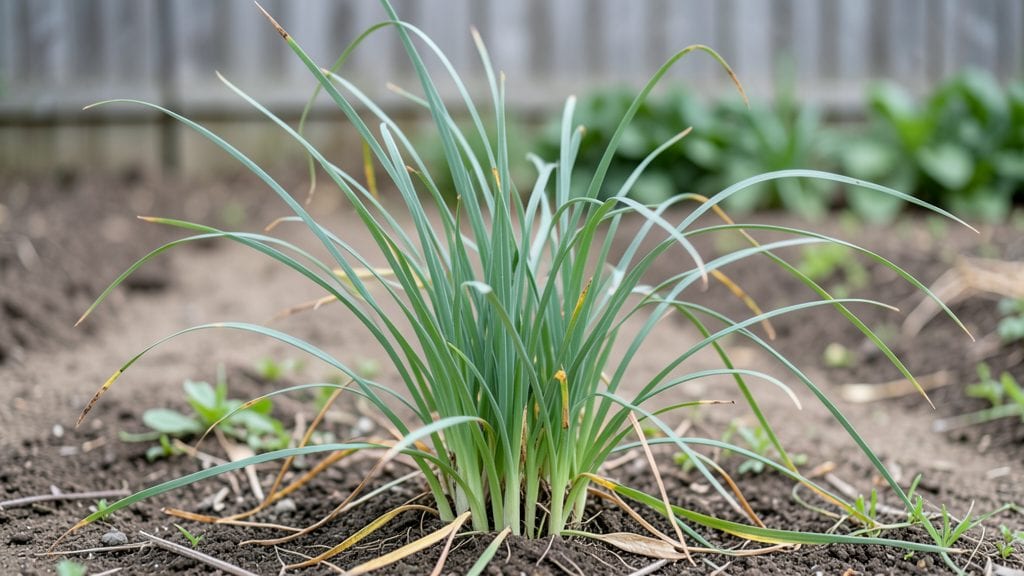
Lemon grass thrives in bright, indirect sunlight for 6–8 hours daily, tolerating partial shade but losing potency and growing slower without sufficient light. Direct afternoon sun can scorch leaves, while too little light weakens its citrusy aroma and growth. Position it near a sunny window or in filtered light for best results.
Lemon grass relies on sunlight to activate its aromatic compounds, which is why even partial shade can dull its signature citrus punch over time. 💛 Without enough light, the plant stretches awkwardly toward sources, producing thinner stalks with weaker flavor profiles—something I’ve seen firsthand when growing it in dim office corners.
The key is finding that sweet spot where it gets plenty of morning sun (when UV rays are gentler) while avoiding the harsh midday glare that can crisp delicate leaves.
For container growers, a south-facing windowsill is ideal, but if your space lacks natural light, a grow light on a timer can mimic those critical 6–8 hours of illumination.
I’ve noticed that even a few hours of direct sunlight in the afternoon can boost flavor development, making the difference between bland and intensely fragrant stalks for cooking.
💡 In This Article
- How Sunlight Affects Lemon Grass Growth and Flavor
- Best Placement for Lemon Grass in Gardens and Containers
How sunlight affects lemon grass growth and flavor
Lemon grass produces its signature citrus aroma through a complex photosynthesis process where sunlight triggers the synthesis of essential oils in its leaves. The plant's chlorophyll content peaks with 6-8 hours of bright, indirect light, enabling it to convert sunlight into energy while maximizing oil production.
Studies show that lemon grass exposed to moderate UVB radiation (found in morning sunlight) develops 30% more citral—the compound responsible for its lemony scent—compared to shade-grown specimens. This is why plants in full sun often smell more intense and vibrant.
The intensity of light directly impacts growth rates: lemon grass in full sun grows 20-30% faster than those in partial shade, producing thicker stalks with higher oil concentrations. However, the UV index above 6 (common in midday sun) can cause leaf burn, turning edges brown.
The ideal balance occurs when plants receive morning sun (when UV levels are lower) and afternoon shade. I've observed that lemon grass grown under 50% shade cloth maintains healthy growth while avoiding scorching, making it perfect for hot climates.
Light deprivation triggers a survival response where stems elongate dramatically—a condition called etiolation—to reach light sources. These leggy stalks contain 50% less essential oil and develop a milder flavor profile.
The plant's citronella content (another key aromatic compound) drops by 40% when grown under less than 4 hours of light daily. This explains why indoor lemon grass often tastes bland unless supplemented with grow lights. The solution?
Rotate containers weekly to ensure even light exposure and use reflective surfaces (like white walls) to bounce extra light onto leaves.
Here's what happens at the cellular level: sunlight activates photosystem II in chloroplasts, splitting water molecules to produce oxygen and energy. This process fuels the mevalonate pathway, which synthesizes terpenes—including citral and citronella. Without sufficient light, this pathway slows, reducing the plant's ability to produce its signature compounds.
The result? A lemon grass that looks healthy but lacks the bold, zesty punch needed for cooking. For maximum flavor, aim for morning sun exposure combined with afternoon shade, especially in regions with intense afternoon heat.
Seasonal variations also play a role: during winter months when sunlight is less intense and angled, lemon grass may need supplemental lighting. I've found that a 12-hour grow light cycle (using full-spectrum bulbs) maintains optimal growth and oil production when natural light drops below 4 hours daily.
The key is replicating the 6-8 hour light window year-round, whether through natural sources or artificial lighting. This consistency ensures your lemon grass retains its potent, fragrant qualities regardless of the season.