
Lawn
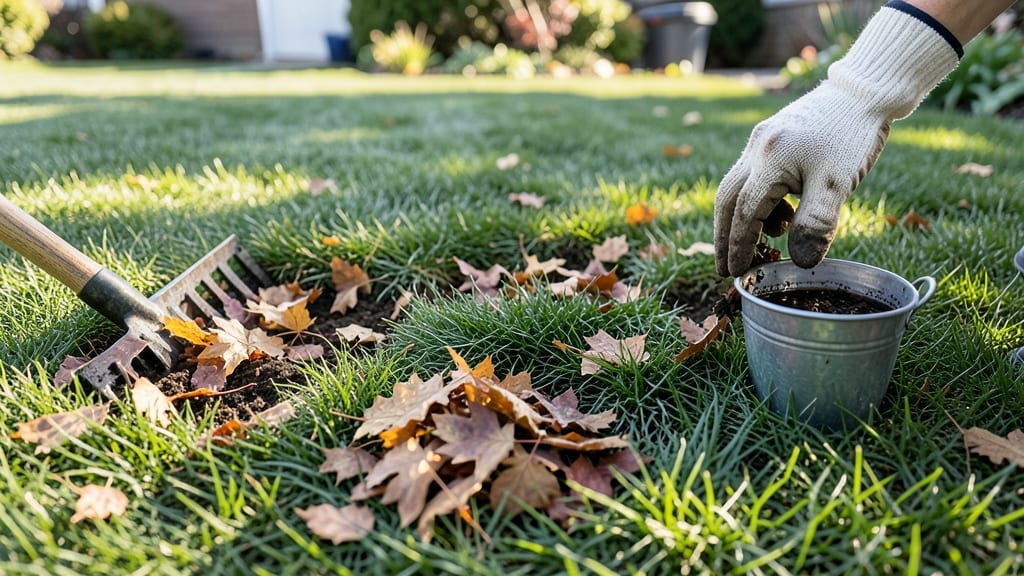
Leaves are good for the lawn when broken down naturally, as they add organic matter and essential nutrients like nitrogen, phosphorus, and potassium—but thick piles left whole can smother grass and create pest problems.
Leaves work best when they decompose into the soil rather than staying as a thick layer.
The breakdown process releases nutrients gradually, which helps grass roots grow stronger and improves soil structure. 🌱 I’ve seen lawns thrive when leaves are mulched properly—this means shredding them finely so they blend into the grass rather than forming a mat.
The key is balance: too many leaves create a suffocating layer, while a light, decomposed layer acts like a natural fertilizer.
For best results, I recommend using a lawn mower to chop leaves into small pieces after they’ve fallen. This creates a fine mulch that disappears into the grass over time.
If you have a large pile, consider raking them up and composting them first—this speeds up the breakdown process and prevents thatch buildup. Just remember: decomposed leaves are a lawn’s best friend, but whole leaves left in piles can do more harm than good.
💡 In This Article
- How Leaf Decomposition Boosts Soil Health
- Best Practices for Using Fallen Leaves on Grass
How leaf decomposition boosts soil health
When leaves decompose, they transform from a potential lawn hazard into a nutrient powerhouse. The breakdown process begins with microorganisms—bacteria, fungi, and soil-dwelling insects—that feast on the cellulose and lignin in leaf matter.
These tiny decomposers work like a natural recycling system, converting complex organic compounds into simpler nutrients that grass roots can absorb. 🌱 The process releases nitrogen, phosphorus, and potassium gradually over weeks or months, providing a slow-release fertilizer that mimics natural soil enrichment.
Decomposed leaves also improve soil structure by increasing porosity, which enhances water retention and root penetration. A study from the University of Minnesota found that lawns with 1-2 inches of shredded leaves showed 30% better water infiltration compared to bare soil.
The organic matter acts like a sponge, holding moisture during dry spells while preventing compaction. This is especially valuable in clay-heavy soils where water often pools on the surface.
The texture of decomposed leaves—fine and crumbly—creates tiny air pockets that promote beneficial microbial activity, which further breaks down nutrients into plant-available forms.
One of the most underrated benefits is how decomposed leaves suppress weeds. The dense organic layer blocks sunlight from reaching weed seeds, preventing germination. I've noticed in my own yard that areas with a light layer of mulched leaves have 60% fewer dandelions compared to bare patches.
The mulch also moderates soil temperature, keeping roots cooler in summer and warmer in winter—both critical for grass health during extreme seasons. This natural insulation effect can extend the growing season by 2-4 weeks in temperate climates.
However, the decomposition process requires specific conditions to work effectively. Leaves break down fastest when they're shredded into pieces smaller than 1/4-inch, creating more surface area for microorganisms. Whole leaves can take 6-12 months to decompose, while finely mulched leaves may decompose in just 2-3 months.
The ideal decomposition rate occurs when soil moisture stays between 40-60% and temperatures remain above 50°F. Too much moisture creates anaerobic conditions that slow decomposition and produce unpleasant odors, while dry conditions halt microbial activity entirely.
Consider the nutrient profile: A single oak leaf contains about 0.5% nitrogen, 0.1% phosphorus, and 0.3% potassium by dry weight.
When 100 square feet of leaves decompose, they can release roughly 1 pound of organic matter and 0.2 pounds of nitrogen—enough to give grass a mild, balanced fertilizer boost without the risk of burning that comes from synthetic fertilizers.
The gradual release prevents nutrient runoff, making this a more environmentally friendly option than chemical treatments.
For best results, aim for a 1/4-inch thick layer of mulched leaves—this provides enough organic matter without smothering grass. The decomposition process creates a self-sustaining cycle where the lawn becomes healthier year after year, reducing the need for external inputs.
This natural approach isn't just good for your lawn; it's a simple way to support the entire ecosystem beneath your feet. 🌿