
Lawn
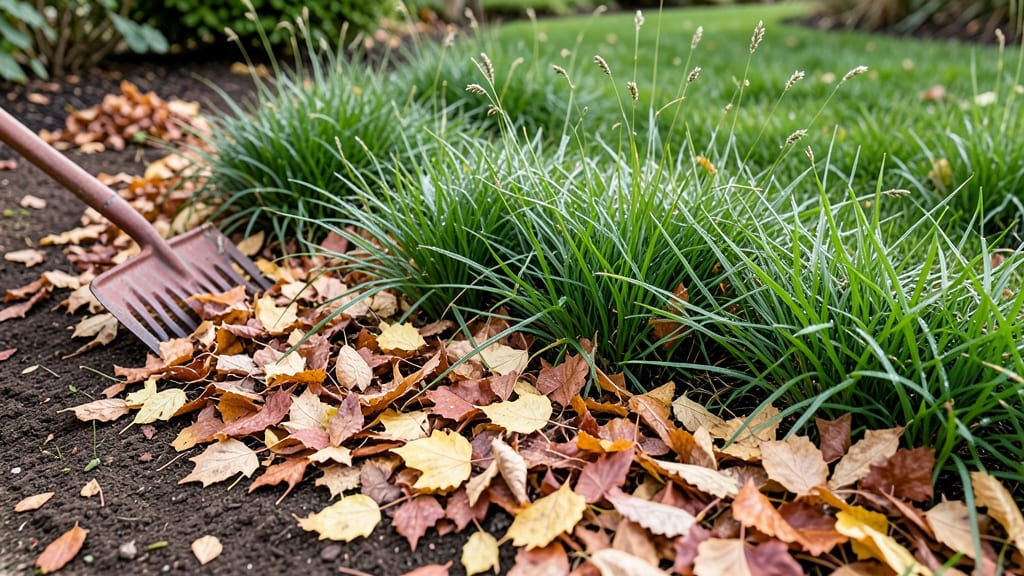
Mulched leaves on lawns can be a gardener’s secret weapon—or a frustrating mystery. 🌿 I’ve watched my own lawn transform from a brown patch to a lush carpet by simply leaving those crisp autumn leaves where they fall, but only when done right.
The key isn’t just piling them up; it’s about timing, thickness, and knowing when to step in with a rake.
Here’s the thing—too many leaves smother grass, but a light layer actually feeds the soil like a slow-release fertilizer. My lawn thrives in fall when I mow leaves into confetti-sized pieces, but by winter, I rake thick piles into compost instead.
It’s all about balance: let nature work with you, not against you.
By spring, you’ll see greener grass and fewer weeds—no synthetic fertilizers needed. The leaves break down into rich humus, improving soil structure and water retention. It’s free, natural, and cuts down on yard waste.
Just don’t let them pile up past 1 inch, or you’ll suffocate your grass instead of nourishing it.
Works best in mild climates, but even in colder zones, a thin layer over winter protects grass from harsh freezes. For heavy leaf years, bag and compost the excess—your garden beds will thank you. Let’s make those leaves work for you, not against your lawn.
The Hidden Triggers Behind Leaf Mulching
When you mow fallen leaves directly into your lawn—also called mulching leaves—it’s a smart, eco-friendly practice. But sometimes, the results aren’t what you expect. Uneven decomposition, thatch buildup, or even a smothered lawn can leave you scratching your head.
Here’s why these issues pop up and how to fix them.
Leaves mulched too heavily or left in clumps can create a physical barrier between your grass and the soil. When leaves pile up—especially if they’re dry or coarse—water and air struggle to reach the grass roots. This leads to:
- Yellowing or browning patches (from oxygen deprivation)
- Fungal growth (like brown patch disease in humid climates)
- Slowed grass growth (due to blocked sunlight)
Why it happens: Dry leaves decompose slowly and form a dense mat. Fine, wet leaves break down faster, but thick layers—over ½ inch—can suffocate turf. Even healthy leaves left in clumps create micro-climates where moisture traps and fungi thrive.
Actionable fix: Break up leaf clumps with a rake or mower before mulching, and aim for a thin, even layer (about ¼ inch). For heavy leaf fall, mow in two passes: first to chop leaves finely, then again to distribute evenly.
Leaves act like a sponge, absorbing and holding moisture. When mulched leaves sit on damp grass—especially in cool, wet seasons—they create the perfect breeding ground for lawn diseases. The most common culprits:
- Brown patch disease (Rhizoctonia solani)
- Dollar spot (Sclerotinia homoeocarpa)
- Snow mold (in winter)
Why it happens: Fungi thrive in high humidity (80%+), warm nights (60–80°F), and thick organic layers. Mulched leaves raise soil moisture levels and block airflow, giving fungi a foothold. Dark, decaying leaves also provide food for fungal spores.
Actionable fix:
- Mow when leaves are dry (early morning or late afternoon).
- Rake up thick leaf piles before they smother grass (especially in fall).
- Improve drainage with core aeration if your lawn holds excess moisture.
- Apply a fungicide (like copper-based or propiconazole) if you spot circular brown patches.
Leaves mulched in hot or cold weather decompose at wildly different rates, which can leave your lawn either starved or smothered.
| Season | Decomposition Rate | Risk to Lawn | Solution |
|---|---|---|---|
| Spring (50–70°F) | Moderate (2–4 weeks) | Slow breakdown → thatch buildup | Mulch lightly; overseed bare spots |
| Summer (80°F+) | Fast (1–2 weeks) | Too rapid → nitrogen theft from grass | Fertilize with nitrogen after mulching |
| Fall (40–60°F) | Slow (4–6 weeks) | Moisture traps → fungal growth | Rake thin layers; avoid mulching before frost |
| Winter (Below freezing) | Paused (until spring thaw) | Smothered grass; snow mold | Remove thick layers before snowfall |
Why it happens: Microbes that decompose leaves are temperature-dependent. In cold weather, they slow down, leaving leaves to mat. In heat, they rev up—consuming nitrogen from your grass faster than it can replenish, causing yellowing.
Actionable fix:
- Time mulching for mild days (50–75°F) when microbes are active but not overzealous.
- In summer, water deeply after mulching to help grass recover nitrogen.
- In fall, mow high (3–4 inches) to let grass outcompete fungi.
A mower that doesn’t chop leaves finely enough turns mulching into a grass-suffocating chore. If blades are dull or set too high:
- Leaves become shredded but not powdered, forming a thick, uneven layer.
- Grass blades are torn instead of cleanly cut, inviting disease.
Why it happens: Sharp blades cut leaves into ⅛-inch pieces or smaller, speeding decomposition. Dull blades tear leaves, creating long fibers that mat together. High mower settings (over 3 inches) also prevent fine mulching.
Actionable fix:
- Sharpen blades every 20–30 hours of use (or hire a pro).
- Set mower height to 2 inches or lower for mulching leaves.
- Use a mulching mower (with a bagger option to test fineness).
Pro tip: 💡 Test your mulch job by raking a small patch—if you see large leaf pieces, your mower needs adjustment!
Quick Fixes for Leafy Lawn Woes
Mulched leaves on your lawn can be a gardener’s dream—or a homeowner’s headache—depending on how they’re managed. Whether you’re dealing with uneven decomposition, mold buildup, or overwhelmed grass, these practical solutions will help you turn leaf litter into lawn love without the stress.
Below, we’ve mapped common issues to their fixes, plus prevention tips to keep your yard looking its best year-round.
Cause: A thick layer of leaves blocks sunlight and air, suffocating grass and inviting mold. Fix:
- Rake or blow leaves into piles (not rows) and mulch them on-site or compost them. Aim for a thin, even layer—no deeper than ¼ inch.
- Use a lawn mower with a bagging attachment to chop leaves into smaller pieces before spreading them. This speeds up decomposition and reduces clumping.
- Spread mulched leaves evenly with a rake, focusing on bare spots or high-traffic areas where grass is thin.
Prevention Tip: 🌡️ Time your raking—remove leaves before they form a thick mat (fall is key!). If your yard is prone to heavy leaf drop, consider a leaf vacuum or mulching mower for faster cleanup.
Cause: Leaves decomposing too slowly (or too quickly) can create acidic pockets or fungal growth, killing grass underneath. Fix:
- Test your soil pH (ideal range: 6.0–7.0 for most lawns). If it’s too acidic, sprinkle lime (follow package instructions) to neutralize it.
- Aerate compacted soil with a core aerator to improve airflow and decomposition. Do this before spreading mulched leaves.
- Mix leaves with nitrogen-rich materials (like grass clippings or compost) to balance decomposition. A 50/50 mix works well.
Pro Tip: ✨ Overseed bare spots after treating yellow patches. Use a high-quality grass seed matched to your lawn type for faster recovery.
Cause: Damp, decomposing leaves create the perfect mold party—especially in shady or wet areas. Fix:
- Remove affected leaves immediately and dispose of them (don’t compost moldy leaves—they spread spores).
- Apply a fungicide (like copper-based or hydrogen peroxide spray) to kill existing mold. Reapply if rain follows.
- Improve drainage by raking leaves away from foundations and ensuring gutters direct water away from the lawn.
Prevention Tip: 💡 Mulch leaves in small batches rather than all at once. Spread them when the ground is dry to reduce moisture buildup.
Cause: Leaves block sunlight and nutrients, starving grass roots. Fix:
- Thin the leaf layer—rake or mow to reduce thickness, then top-dress with compost (¼ inch) to feed the soil.
- Use a dethatching tool if leaves have matted into a thick thatch layer. This restores grass access to sunlight and water.
- Fertilize lightly with a slow-release, balanced fertilizer (like 10-10-10) to give grass a nutrient boost.
Pro Tip: 🎯 Mow higher in fall (3–4 inches) to strengthen grass blades before winter. Taller grass shades out weeds and recovers faster in spring.
Cause: Mice, voles, or insects nest in thick leaf piles, damaging roots and lawn structure. Fix:
- Break up leaf piles and scatter them thinly—pests prefer dense, hidden spots.
- Set humane traps (like live traps) if you spot critters. Avoid poisons, which can harm pets and wildlife.
- Encourage natural predators (like owls or snakes) by keeping the yard clean and well-maintained.
Prevention Tip: 🔥 Remove leaf piles from edges of the lawn, especially near sheds or woodpiles, where pests hide.
For the healthiest lawn, adopt these habits:
- Mulch leaves in stages—don’t dump them all at once.
- Aerate and overseed every 1–2 years to keep grass resilient.
- Use a mulching mower for weekly light passes in fall to keep leaves decomposed.
- Test soil annually to adjust pH and nutrients as needed.
By addressing the root cause (literally!) and preventing buildup, mulched leaves will feed your lawn instead of fighting it. Now go forth and turn that leaf litter into lush green—your yard will thank you!
Frequently asked questions
How thick should mulched leaves be on my lawn?
Aim for a ¼-inch layer or less when spreading mulched leaves. Any thicker risks smothering grass by blocking sunlight and air. For heavy leaf drop, mow leaves into smaller pieces first, then spread thinly—think "dusting" rather than piling. This ensures nutrients reach the soil without suffocating your lawn.
Can mulched leaves cause lawn diseases?
Yes, if left too thick or damp. Mulched leaves create moisture traps that encourage fungal growth like brown patch or dollar spot. To prevent this, mow leaves when dry (early morning), avoid mulching before frost, and improve drainage with aeration. Remove any moldy leaves immediately—they spread spores!
What’s the best time of year to mulch leaves?
Fall is ideal—mow leaves into your lawn when temperatures are 50–75°F for optimal decomposition. Avoid mulching in summer (leaves decompose too fast, stealing nitrogen) or winter (they smother grass). For heavy leaf drop, spread mulched leaves in stages rather than all at once.
Will mulched leaves help or hurt my lawn’s nutrients?
They help! Leaves break down into rich humus, adding organic matter and slowly releasing nutrients like potassium and phosphorus. However, they’re low in nitrogen, which grass needs. Balance by mixing mulched leaves with grass clippings or applying a light nitrogen fertilizer afterward. Think of it as a slow-release "free" fertilizer!
What if my lawn already has thick leaf layers?
Don’t panic! Rake up thick piles first, then mow the remaining leaves into finer pieces. For stubborn mats, use a dethatching tool to restore grass access to sunlight. After clearing, top-dress with compost (¼ inch) to replenish nutrients. This two-step approach revives smothered grass without harming the soil.