
Lawn
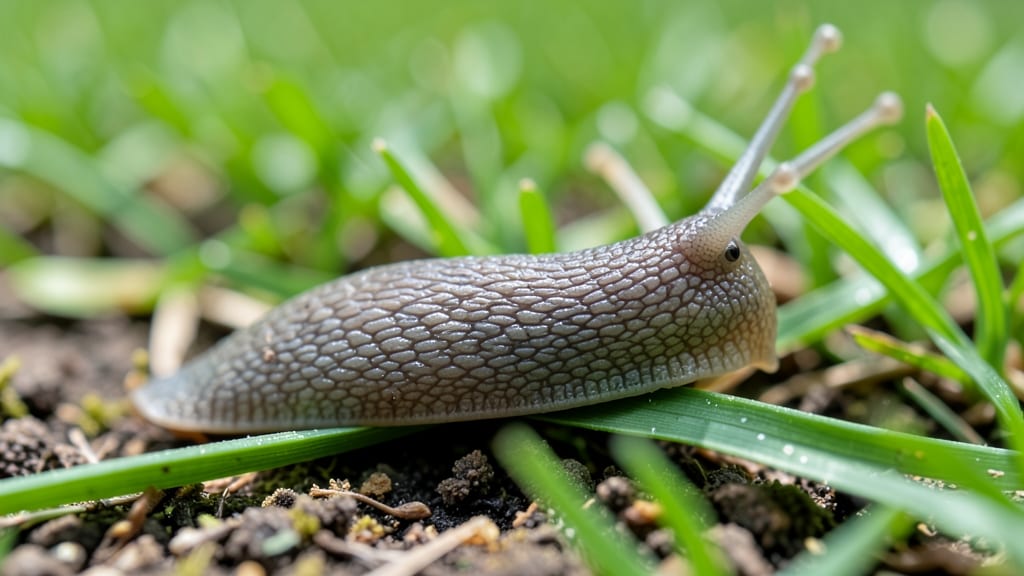
Slugs are bad for your lawn because they devour grass blades, leaving behind irregular brown patches and weakening the turf's ability to recover. Their feeding habits create unsightly damage, especially in damp conditions, and they can also harm seedlings and young plants.
These slimy pests aren't just annoying—they're lawn destroyers. 🐌 Slugs leave behind ragged, uneven damage as they scrape grass blades down to the roots, creating unsightly brown patches that spread quickly in humid weather.
They particularly target tender new growth, which means your lawn's recovery after mowing or drought takes a major hit. What's worse? Their slimy trails attract more slugs, turning your yard into a buffet overnight.
Beyond grass, they feast on flower beds and vegetable gardens, making them a double threat for home gardeners. The key to stopping them is understanding their behavior—slugs thrive in moist, shaded areas and come out at night, so early morning inspections reveal their damage before it becomes permanent.
💡 In This Article
- How Slugs Destroy Lawn Grass and Other Plants
- Signs of Slug Damage and Prevention Tips for Healthy Lawns
How slugs destroy lawn grass and other plants
Slugs attack lawns using a combination of mechanical damage and chemical breakdown. Their flat, muscular bodies allow them to scrape grass blades down to the soil level, leaving behind ragged, uneven patches.
Unlike caterpillars that chew leaves, slugs use their rough tongues (radulae) to literally sandpaper plant tissue, exposing the vascular system. This exposes the grass to secondary damage from disease and dehydration. 🐌
The real damage happens at the cellular level. Slugs secrete digestive enzymes that break down plant cell walls, turning healthy grass into mush. They particularly target cool-season grasses like Kentucky bluegrass and fescue, which have softer blades.
Warm-season grasses like Bermuda are tougher but still vulnerable when stressed by drought or poor soil conditions. Moisture is their ally—slugs become most active when soil humidity exceeds 60%, which is why damage spikes after rain or irrigation.
What makes slugs so destructive is their nighttime feeding pattern. They emerge after dark when the air is damp and predators are less active, leaving behind telltale silver trails of slime. This mucus contains enzymes that continue breaking down plant tissue even after the slug moves on.
A single slug can consume 0.5 square feet of lawn per night, and colonies can grow to hundreds in ideal conditions.
The damage compounds over time because slugs don't just eat—they create entry points for lawn diseases. Their feeding exposes grass roots to fungal infections like brown patch, which turns patches brown and spongy. In vegetable gardens, slugs leave plants with notched leaves and hollow stems, often killing seedlings completely.
The worst offenders are gray garden slugs, which can grow up to 6 inches long and consume plants twice their size.
Seasonal patterns amplify the problem. Spring and fall bring perfect conditions: cool temperatures (50-70°F) and high humidity. Summer heat forces them underground, but they return with a vengeance when fall rains arrive.
This predictable cycle means damage often appears in late summer or early autumn, catching homeowners off guard after a summer of healthy-looking grass.
Here's what happens under the microscope: Slug slime contains mucopolysaccharides that act like a biological solvent, dissolving plant cell membranes. This is why their damage looks different from other pests—it's not clean cuts but a wet, mushy decay that spreads rapidly.
The slime also creates a protective barrier that makes chemical treatments less effective, requiring multiple applications for control. 💫