
Landscaping
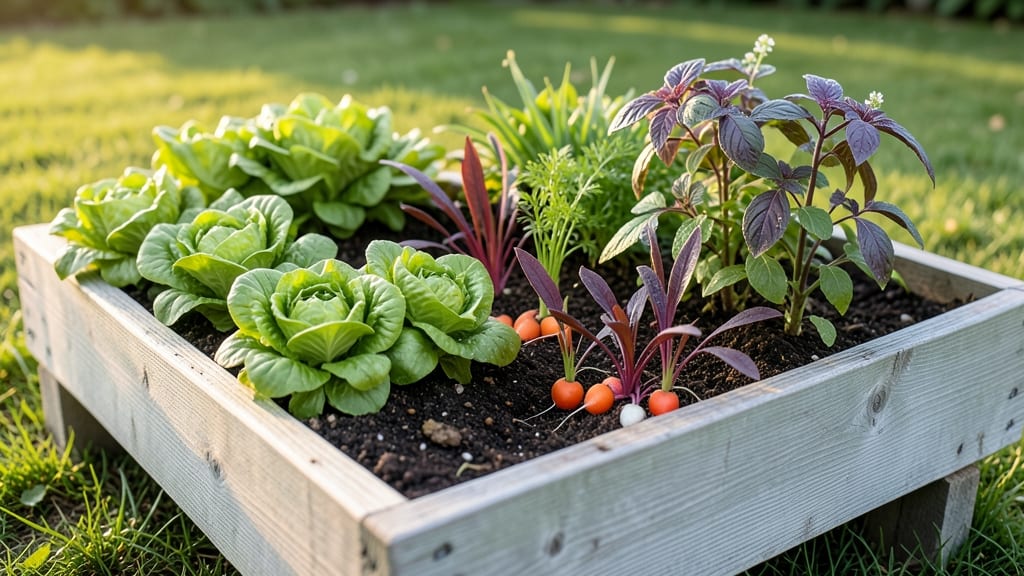
Transforming your lawn into a thriving raised bed garden is easier than you think—no turf war required. 🌱 The key lies in smart placement, proper soil prep, and a few simple tricks to keep the grass at bay while your plants take center stage.
I’ve turned my own patchy lawn into a productive garden without sacrificing the rest of my yard, and you can too.
Start by choosing a spot that gets at least 6 hours of sun and fits your garden’s needs—whether it’s veggies, flowers, or herbs. Use a rototiller or spade to cut a 4-inch-deep trench around the bed’s perimeter to block grass creep.
Then, line the bottom with cardboard or landscape fabric to smother weeds and prevent grass from encroaching.
Fill the bed with a soil mix tailored to your plants—60% topsoil, 30% compost, and 10% perlite or sand for drainage. The result? Rich, well-draining soil that keeps roots happy while the grass stays contained.
You’ll see faster growth, fewer weeds, and a garden that actually thrives—no more battling soggy spots or invasive grass.
Pro tip: Add gravel or pavers around the edges to create a clean border and prevent grass from sneaking in. With the right setup, your raised bed will look intentional, not like an afterthought. Ready to reclaim that lawn space for something more rewarding?
📚 In This Guide
- What you need
- Instructions
- Tips and common mistakes
- Wrapping up and next steps
What you need
- ● Raised bed frame: Untreated wood (cedar or redwood recommended), composite lumber, or galvanized metal (4–6 ft wide x 8+ ft long; height: 6–12 inches for ease of access). Pro tip: Avoid pressure-treated wood if growing edibles—opt for food-safe materials!
- ● Landscape fabric: 1 roll (3–4 ft wide) to block weeds and grass from invading your soil.
- ● Cardboard or newspaper: Enough to cover the lawn entirely under the fabric (acts as a natural weed barrier).
- ● Soil mix: 2–3 cubic feet per square foot of bed space. Use a blend of: Topsoil (50%)
- ● Compost (30%)
- ● Perlite or vermiculite (10–20%) for drainage
- ● Garden staples or screws: 2–3 inches long (for securing fabric/wood).
- ● Tools: Shovel or spade
- ● Measuring tape
- ● Level
- ● Drill or hammer
- ● Gloves & safety glasses
- ● Drip irrigation kit or soaker hoses for easy watering.
- ● Corner braces for extra stability if using wood frames.
- ● Mulch (straw or wood chips) to retain moisture and suppress weeds.
- ● Edging stones to define the bed’s perimeter neatly.
- ● Seat cushion or bench if you plan to lounge while gardening! 😉
Step-by-Step instructions for building raised beds on lawn
Here’s how to create a sturdy, weed-free raised bed that transforms your lawn into productive garden space.
🪴 Step 1: Mark and Prepare the Lawn
Use a garden hose or spray paint to outline your 4-foot-wide by 8-foot-long bed shape on the lawn. This width ensures easy reach to the center without stepping inside. Clear away grass, weeds, and debris from the marked area—this prevents future competition for nutrients and moisture. I like to use a sharp spade to slice through the sod in 2-inch strips along the edges, then flip it aside. This keeps the lawn intact for later reuse.
Check for underground utilities with a soil probe or metal detector before digging deeper than 6 inches. If you hit rocks or compacted soil, remove them and replace with 2 inches of coarse sand to improve drainage. A flat, level base ensures your bed won’t sag over time.
🌱 Step 2: Build the Raised Bed Frame
Assemble your frame using untreated lumber (6x6 or 2x6 boards) cut to your desired dimensions. I recommend cedar or redwood for natural rot resistance. For a 4x8-foot bed, you’ll need 4 corner posts (4 feet tall) and 6 crossbeams (8 feet long). Pre-drill holes in the corners and secure with galvanized screws—this prevents wood from splitting over time.
Place the frame on the prepared lawn and check for level using a 2-foot level. Adjust the corners by tapping the posts lightly with a rubber mallet until the frame sits perfectly flat. Leave a 2-inch gap between the frame and lawn to prevent rot from moisture bupping up from below.
💧 Step 3: Layer for Drainage and Soil
Start with a 2-inch layer of landscape fabric over the lawn to block weeds. This isn’t optional—weeds will grow right through your soil if you skip it. Next, add 4 inches of coarse gravel or broken bricks for drainage. This layer prevents waterlogging, which is especially critical if your lawn sits in a low spot.
Fill the remaining space with a mix of 60% topsoil, 30% compost, and 10% perlite or vermiculite. I like to add a handful of bone meal at this stage to boost phosphorus for root growth. Avoid garden soil from your lawn—it’s often compacted and nutrient-poor. Fluff the mix with a garden fork to remove air pockets before planting.
☀️ Step 4: Plant and Mulch for Long-Term Success
Arrange plants according to their sunlight and water needs, placing taller varieties like tomatoes or peppers in the north end of the bed. Space seedlings 12-18 inches apart to allow airflow and prevent disease. Water deeply after planting to settle the soil around roots—this reduces transplant shock.
Top the bed with 2-3 inches of mulch (straw or shredded leaves work well). This keeps soil moist, suppresses weeds, and regulates temperature. Check soil moisture by sticking your finger 1 inch deep—if it’s dry, water until moisture reaches 4 inches down. Overwatering here leads to root rot, so let the top layer dry slightly between waterings.
⏰ Step 5: Maintain and Expand Over Time
Add 1-2 inches of compost to the bed each spring to replenish nutrients. I like to top-dress with a light layer of worm castings for extra microbial activity. Monitor for pests like slugs or cutworms—handpick them early to avoid chemical treatments that harm beneficial insects.
After the first growing season, assess the bed’s structure. If corners sag, reinforce with additional screws or stakes. For a second bed, stagger its placement to create a natural, garden-room layout that maximizes space and sunlight. This approach makes your lawn feel like a designed garden rather than just a patch of grass.
Tips & tricks for building raised beds on lawn
Transforming your lawn into a productive garden starts with these essential tips that'll save you time, money, and frustration.
Precision in Step 1: When marking your 4-foot-wide by 8-foot-long bed, use a string line stretched between stakes for perfectly straight edges. This makes assembly in Step 2 much easier—no more wrestling with crooked frames. I've learned the hard way that uneven corners make leveling nearly impossible later. Also, if you're working with a slope, consider building terraces to prevent erosion and water runoff.
Frame Stability Secret: For the 4-foot-tall corner posts in Step 2, I recommend burying the bottom 6 inches of each post in the ground before assembling the frame. This creates a hidden anchor that prevents shifting over time. If you're using 2x6 boards instead of 6x6, add diagonal braces between corners for extra support—especially important if you plan to fill the bed with heavy soil mixes.
Drainage Layer Trick: In Step 3, if you're in an area with heavy clay soil, consider adding a 1-inch layer of landscape fabric between the 4 inches of coarse gravel and your soil mix. This extra barrier prevents fine soil particles from clogging the drainage layer over time. I've seen beds where this was skipped end up with poor drainage after just one season—don't make that mistake!
Soil Mix Pro Tip: For the 60% topsoil, 30% compost, 10% perlite mix in Step 3, I recommend adding 1/2 cup of greensand per cubic foot of mix for potassium. This helps prevent blossom-end rot in tomatoes and peppers. If you're planting vegetables that need extra calcium (like broccoli), add 1/2 cup of crushed eggshells to the mix. These are optional but make a noticeable difference in plant health.
Pro Tips for Raised Bed On Lawn
- Transforming your lawn into a productive garden starts with these essential tips that'll save you time, money, and fr...
- Precision in Step 1: When marking your 4-foot-wide by 8-foot-long bed, use a string line stretched between stakes for...
- Frame Stability Secret: For the 4-foot-tall corner posts in Step 2, I recommend burying the bottom 6 inches of each p...
Frequently asked questions
Got questions about transforming your lawn into a thriving raised bed garden? Here are answers to the most common concerns—so you can grow with confidence!
Can I put a raised bed directly on grass?
Yes! You can place raised beds directly on grass, but we recommend removing the sod first. Simply cut out the grass underneath (about 6–12 inches deep) or lay down landscape fabric to prevent weeds from creeping up. This keeps your garden clean and healthy without heavy excavation. Pro tip: If you’re short on time, use a spade to slice through the grass and flip it over—no tilling needed!
What’s the best time of year to build a raised bed on a lawn?
Spring or early fall are ideal! Soil is workable, and temperatures are mild. If you’re in a warm climate, winter can work too—just avoid freezing ground. For fastest results, build in late winter or early spring so you can plant as soon as the soil warms up. Bonus: Starting early gives plants a head start before summer heat!
Are there cheaper alternatives to wood for raised beds?
Skip wood and try:
- Cinder blocks (stack and fill with soil)
- Bricks or pavers (create a low border)
- Metal troughs or horse troughs (repurpose old materials)
- Straw bales (temporary, biodegradable option)
Why is my raised bed on grass sinking or collapsing?
Sinking often happens if the grass underneath wasn’t properly removed or if the bed isn’t wide enough to support its own weight. To fix it:
- Add cardboard or landscape fabric beneath the bed for stability.
- Use gravel or decomposed granite as a base layer (4–6 inches) for drainage and support.
- Ensure the bed is at least 2–3 feet wide to distribute weight evenly.
Will a raised bed on grass attract pests or rodents?
Not necessarily! Raised beds actually reduce some pests by improving drainage and airflow. However, rodents may dig underneath if they sense food. Deter them by:
- Using hardware cloth around the base.
- Avoiding peanut butter or seeds in bait traps near the bed.
- Planting rodent-repelling herbs like mint or lavender around the edges.
Wrapping up and next steps
Transforming your lawn into a thriving raised bed is a game-changer for soil health, drainage, and gardening success! 🌱 With better control over soil quality, fewer weeds, and easier maintenance, you’re not just planting a garden—you’re creating a low-stress, high-reward growing space.
Whether you’re a beginner or a seasoned gardener, this project is totally doable with the right materials and a little planning.
Ready to take the next step? Start by sketching your design, gathering supplies, and marking your lawn—then break ground and watch your garden flourish! Your future harvest (and happy plants) are waiting!