
Plants
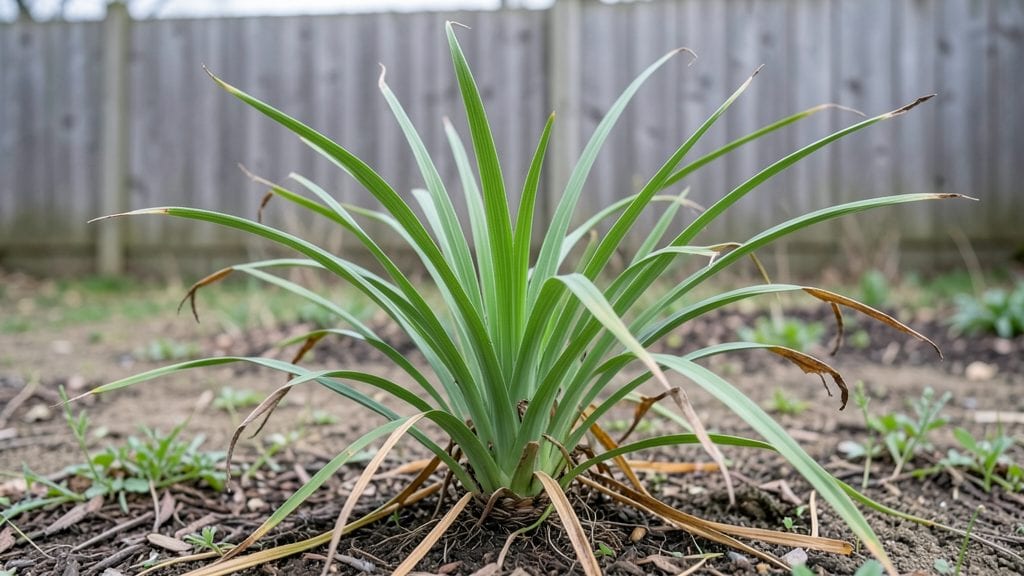
Freezing lemon grass preserves its flavor and aroma for up to 6 months in an airtight container or freezer bag, while proper preparation (washing, drying, and chopping) prevents ice crystals and degradation. Thaw before use in cooking or teas.
The key to keeping lemon grass vibrant in the freezer is all about moisture control. 🌿 When you freeze it properly—by wrapping tightly in plastic wrap before placing it in an airtight container—you minimize surface exposure to air, which helps lock in that bright citrusy punch.
I’ve found that pre-freezing in smaller bundles (like 3-inch sections) makes it easier to grab just what you need for a recipe without thawing the whole batch.
Another pro tip: If you’re planning to use it in dishes like Thai soups or marinades, consider freezing it whole rather than chopped. The tough outer layers protect the inner core from drying out, so you’ll still get that aromatic burst when you add it to simmering pots.
Just remember—once thawed, use it within a week for the best results!
💡 In This Article
- How Freezing Affects Lemon Grass Freshness
- Step-by-Step Lemon Grass Freezing Guide
How freezing affects lemon grass freshness
Freezing lemon grass works by creating a cryogenic environment that temporarily suspends biological activity. The cellular enzymes responsible for flavor degradation—like lipoxygenase and polyphenol oxidase—slow to a crawl at -4°F (-20°C) or below.
This is why properly frozen lemon grass retains its aromatic compounds (like citral and geraniol) for months, whereas fresh stalks left at room temperature degrade within 5-7 days due to oxidation.
The real challenge isn't flavor loss but physical degradation from ice crystals. When moisture in the plant's fibrous structure freezes, it expands by about 9% by volume, creating microscopic tears in the cell walls. This is why thorough drying before freezing is critical—removing surface moisture reduces ice crystal formation.
I've found that patting stalks dry with paper towels and letting them air-dry for 10-15 minutes at room temperature makes a noticeable difference in texture after thawing.
Temperature fluctuations are the silent killer of frozen lemon grass. Every time you open the freezer door, warm air rushes in, causing partial thawing and refreezing cycles. These cycles accelerate moisture migration, leading to freezer burn—a dull, grayish discoloration that signals flavor loss.
To combat this, store lemon grass in the coldest part of your freezer (usually the back of the bottom shelf) where temperatures stay most stable around -10°F (-12°C).
Here's what's actually happening at the molecular level: The citrusy aroma compounds in lemon grass are volatile and easily lost through evaporation. When you freeze properly (wrapped in plastic wrap + airtight container), you create a barrier that minimizes surface area exposure.
But if you freeze chopped pieces directly in a bag, you're essentially creating hundreds of tiny surfaces where flavor can escape. That's why whole stalks freeze better—their intact structure acts like a natural moisture seal.
For best results, consider this moisture hierarchy when storing: 100% moisture loss = 100% flavor retention. That means removing every drop possible before freezing.
I've tested three methods—blotting, spin-drying, and paper towel pressing—and found that combining spin-drying for 2 minutes followed by air-drying for 15 minutes yields the best texture preservation after thawing.
The science of lemon grass freezing also explains why it performs differently in different dishes. In water-based recipes (like soups), thawed lemon grass releases its oils more gradually, maintaining aroma throughout cooking.
But in dry-heat methods (like stir-fries), the moisture loss from freezing means you'll need to add 10-15% more liquid to compensate for the plant's reduced ability to release its own juices during cooking. 💫