
Lawn
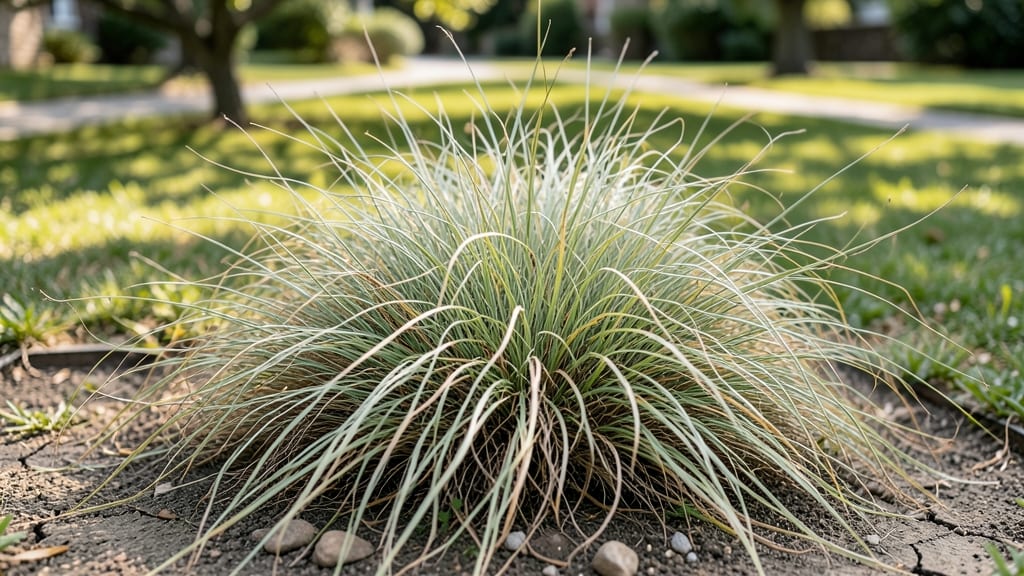
That long stringy grass in your lawn creeping through like an unwelcome guest? It’s nutgrass—and it’s time to say goodbye for good. 🌱 I’ve wrestled with it for years, and the vinegar blaster method finally gave me the clean lawn I wanted without resorting to harsh chemicals.
The key is timing, technique, and a little elbow grease.
Nutgrass thrives in thin lawns with poor soil, popping up in late spring when your grass is still recovering. It spreads through underground tubers, so pulling it by hand just makes it worse. Most herbicides only mask the problem, but vinegar—when applied correctly—burns the roots and stops regrowth.
You’ll need a 20% vinegar solution, a sprayer, and a sunny day for best results. Within 24 hours, the stringy blades turn brown and crispy, and the lawn starts looking like yours again. The secret? Reapply every 7-10 days for a full season of control.
This method works for lawns, gardens, and even sidewalks—no more sneaky regrowth. Just be patient, and your grass will bounce back healthier than ever. Let’s get started!
Root Causes Of Stringy Grass
That unsightly, stringy grass creeping across your lawn isn’t just a cosmetic nuisance—it’s a sign of underlying issues. Understanding why it happens is the first step to reclaiming a lush, uniform yard.
Below, we break down the most common culprits, backed by science, so you can tackle the problem at its source.
Stringy grass often thrives in soggy, waterlogged soil. When lawns receive excessive water—whether from overzealous irrigation, poor drainage, or heavy rainfall—certain grasses (like Poa annua, a common weed grass) grow long, thin blades to reach sunlight. This is their survival tactic in waterlogged conditions.
- Why it happens: Excess moisture weakens turfgrass roots, encouraging fast-growing, weak-stemmed weeds to dominate. These grasses spread via underground runners (stolons) or seed heads, creating that dreaded "stringy" look.
- Signs to watch for:
- Puddles lingering for hours after rain
- Mushy, spongy soil when walked on
- Grass blades that feel slimy or overly soft
- Actionable fix:
- Test your soil’s drainage by digging a 6-inch hole and filling it with water. If it doesn’t drain in 4–6 hours, amend with sand or compost.
- Adjust irrigation to water deeply but infrequently (1–1.5 inches per week, including rain).
- Consider aerating compacted soil to improve airflow and drainage.
When grass struggles to get enough sunlight—whether from tall trees, buildings, or even dense clumps of existing grass—it stretches upward in a desperate bid for light. This results in those long, weak, stringy blades. Shady areas also create ideal conditions for Poa annua and other shade-tolerant weeds.
- Why it happens: Turfgrass species like Kentucky bluegrass and fescue need at least 4–6 hours of direct sunlight daily to thrive. In low-light zones, they grow tall and leggy, while weeds take over.
- Signs to watch for:
- Thin, patchy grass in shaded spots
- Grass blades leaning toward light sources (like windows or trees)
- Weeds with long, thin stems dominating
- Actionable fix:
- Thin out overgrown trees or shrubs to allow more sunlight to reach the lawn.
- Plant shade-tolerant grasses like fine fescue or creeping red fescue in problem areas.
- Use a string trimmer or edger to keep grass height uniform and reduce competition.
While nitrogen is essential for green, healthy grass, too much can trigger rapid, weak growth—leading to those stringy, floppy blades. Excess nitrogen promotes top growth at the expense of root development, making grass more susceptible to stress, disease, and weed invasion.
- Why it happens: Over-fertilizing (especially with quick-release nitrogen) causes grass to grow faster than it can strengthen. This results in long, weak stems that flop over easily. Weeds like Poa annua also thrive in high-nitrogen environments.
- Signs to watch for:
- Grass growing faster than you can mow
- Blades that feel hollow or papery when pulled
- Yellowing tips or brown patches despite "green" appearance
- Actionable fix:
- Test your soil’s nutrient levels with a home kit or lab test. Adjust fertilizer based on results.
- Switch to slow-release or organic fertilizers to feed grass steadily.
- Follow the "rule of thirds" for nitrogen: Apply 1/3 in spring, 1/3 in early summer, and 1/3 in fall.
Grass under attack from pests (like grubs, chinch bugs, or sod webworms) or fungal diseases weakens, leading to patchy, stringy growth. Infested grass can’t compete with weeds, and the remaining blades stretch thin as the lawn struggles to recover.
- Why it happens:
- Pests: Grubs chew roots, while chinch bugs suck sap, starving grass. Weakened turf invites weeds like Poa annua.
- Diseases: Fungal infections (e.g., brown patch or dollar spot) create dead patches, leaving stringy grass as the only "survivor."
- Signs to watch for:
- Thinning grass with exposed soil
- Small brown patches that spread
- Insects (grubs, beetles) in the soil when dug up
- Actionable fix:
- Inspect soil for pests (dig up a small section). Treat grubs with beneficial nematodes or insecticidal soap.
- Apply fungicides in early morning or evening if fungal diseases are present.
- Improve lawn health with proper watering, aeration, and fertilization to resist future outbreaks.
💡 Pro Tip: If your stringy grass persists after addressing these issues, it might be time to consider targeted removal—like our vinegar blaster method—to reset the lawn and start fresh!
Fixing Stringy Grass Overgrowth
Now that you know why your lawn is developing unsightly long, stringy grass, it’s time to tackle the problem head-on. The good news? With the right approach, you can restore your lawn’s neat appearance—and keep it that way.
Below are practical, step-by-step solutions tailored to the root causes we covered earlier, from quick fixes to long-term prevention.
If your grass is already growing long and stringy, the first step is to cut it correctly—not too short, not too long. Overgrown grass tangles easily, making it look wild and unkempt.
- 🔪 Adjust Your Mower Height Set your mower blade to the highest recommended setting for your grass type (usually 3–4 inches for cool-season grasses, 2–3 inches for warm-season). Taller grass shades out weeds, retains moisture, and grows thicker, reducing the "stringy" effect.
- 👨🍳 Mow Regularly (But Not Too Often) Aim to mow once a week (or every 5–7 days in peak growing seasons). Never remove more than ⅓ of the blade height in one session—this prevents shock and encourages dense growth.
- 🔄 Change Mowing Patterns Alternate mowing directions (e.g., left-to-right one week, up-and-down the next) to avoid soil compaction and encourage upright growth instead of flopping strands.
If your lawn is sparse, grass blades stretch out to fill gaps, creating that stringy mess. Rebuild density with these steps:
- 💡 Overseed Bare Spots Rake out dead patches and spread high-quality grass seed matched to your climate (e.g., Kentucky bluegrass for cool regions, Bermuda grass for warm). Water lightly twice daily for 2–3 weeks until germination.
- 🌡️ Improve Soil Health Test your soil’s pH and nutrients (a simple kit from a garden center works). Amend with compost or a slow-release fertilizer to encourage strong root growth. Aim for a pH of 6.0–7.0 for most grasses.
- ✨ Choose the Right Grass Type Some grasses (like fine fescue) grow taller and stay upright, while others (like creeping bentgrass) sprawl. Research drought-resistant, dense-growing varieties for your area.
Weeds like crabgrass or clover send up long, thin stems that mimic stringy grass. Stop them with these methods:
- 🔥 Pre-Emergent Herbicides (Spring) Apply a pre-emergent herbicide (like corn gluten meal) in early spring to block weed seeds from sprouting. Follow label instructions carefully—overuse can harm grass.
- 🎯 Spot-Treat Post-Emergent Weeds For existing weeds, use a selective herbicide (e.g., 2,4-D for broadleaf weeds) or pull them by hand. Avoid vinegar sprays—they’ll kill all plants, including your lawn.
- 🌿 Hand-Pull Persistent Weeds For stubborn weeds like dandelions, grip the base and pull early in the morning when soil is moist. Use a weed torch (sparingly) for large patches, but avoid dry grass.
Overwatering or underwatering can lead to weak, leggy grass. Follow this watering gold standard:
- 🌧️ Water Deeply, Infrequently Water 1–1.5 inches per week (including rain), split into 2–3 sessions. Deep watering encourages roots to grow downward, making grass sturdier.
- ⏰ Water Early Morning Water before 9 AM to reduce evaporation and fungal risks. Avoid evening watering—wet grass overnight invites disease.
- 🔄 Check for Runoff If water pools or runs off, your lawn is getting too much too fast. Slow down and water in shorter bursts.
If you’ve tried everything and still have unwanted long grass or weeds, a vinegar-based solution can kill it permanently. Here’s how to use it safely:
- 📝 Choose the Right Mix Combine:
- 1 gallon white vinegar (20–30% acetic acid)
- 1 oz dish soap (as a surfactant)
- Optional: 1 cup salt (for tough weeds, but avoid near desired plants)
- ☀️ Apply on a Sunny Day Spray only on target areas (not your lawn!) on a warm, sunny day (vinegar works best with heat). Avoid windy conditions to prevent drift.
- 🌱 Wait and Rake The grass/weeds will turn brown and crispy in 24–48 hours. Wait a few days, then rake or till the dead material into the soil.
- 🌱 Replant (If Desired) After removal, reseed or lay sod to restore your lawn.
⚠️ Warning: Vinegar kills everything it touches—use a shield or cardboard to protect surrounding plants.
Once your lawn is back in shape, keep it that way with these proactive habits:
- 💡 Aerate Annually Rent a core aerator to poke holes in compacted soil, letting roots breathe and water penetrate. Do this in spring or fall.
- 🌿 Leave Grass Clippings Mulch clippings with your mower—they return nutrients to the soil, reducing the need for fertilizer.
- 🔄 Rotate Lawn Care Seasonally
- Spring: Overseed, fertilize, and apply pre-emergent.
- Summer: Water deeply, mow high, and watch for pests.
- Fall: Aerate, top-dress with compost, and reseed thin spots.
- Winter: Reduce foot traffic to prevent soil compaction.
- 🎯 Invest in a Sharp Mower Blade A dull blade tears grass, making it look ragged. Sharpen blades 2–3 times per season for clean cuts.
With these solutions, your lawn will go from stringy and wild to lush and uniform in no time. Consistency is key—stick to the routine, and you’ll enjoy a picture-perfect yard year-round!
Frequently asked questions
Is long stringy grass the same as nutgrass?
Not always! While nutgrass (like nutsedges) is a common culprit with its stringy, wiry appearance, other weeds like Poa annua or crabgrass can also create that look. The key difference? Nutgrass has a distinctive bulbous joint near the soil—look closely for that telltale sign. If you're unsure, try the vinegar test: spray a small area, and if it dies quickly, it's likely a weed.
Will vinegar kill my lawn if I spray it accidentally?
Yes, absolutely—vinegar is a non-selective herbicide, meaning it kills everything it touches. To protect your lawn, use a shield (like cardboard) around the edges of your target area. For extra safety, apply the vinegar solution only on dry, sunny days when your grass is actively growing. If you do get vinegar on your lawn, rinse immediately with water.
How often should I mow to prevent stringy grass?
Mow your lawn once a week during peak growing seasons (spring and summer), but never cut more than ⅓ of the blade height at once. For example, if your grass is 4 inches tall, never mow it shorter than 3 inches. This prevents stress and encourages thick, upright growth instead of weak, stringy blades. Adjust your mower height based on your grass type—taller settings (3–4 inches) work best for most lawns.
Can I use vinegar in my sprinkler system to kill weeds?
No, this is a bad idea! Vinegar breaks down quickly in water and won’t effectively kill weeds when diluted. Plus, it could damage your sprinkler system or nearby plants. Stick to targeted spraying with a handheld sprayer for best results. For large areas, consider a spot-treatment approach with a garden sprayer—just be precise to avoid harming your lawn.
What’s the best time of year to tackle stringy grass?
Late spring to early summer is ideal because weeds are actively growing and easier to kill. The vinegar solution works best in warm, sunny conditions (70°F+), so aim for May through July. Avoid treating in fall or winter—weeds are dormant, and the solution won’t be as effective. If you miss this window, try again in early spring before new growth starts.