
Lawn
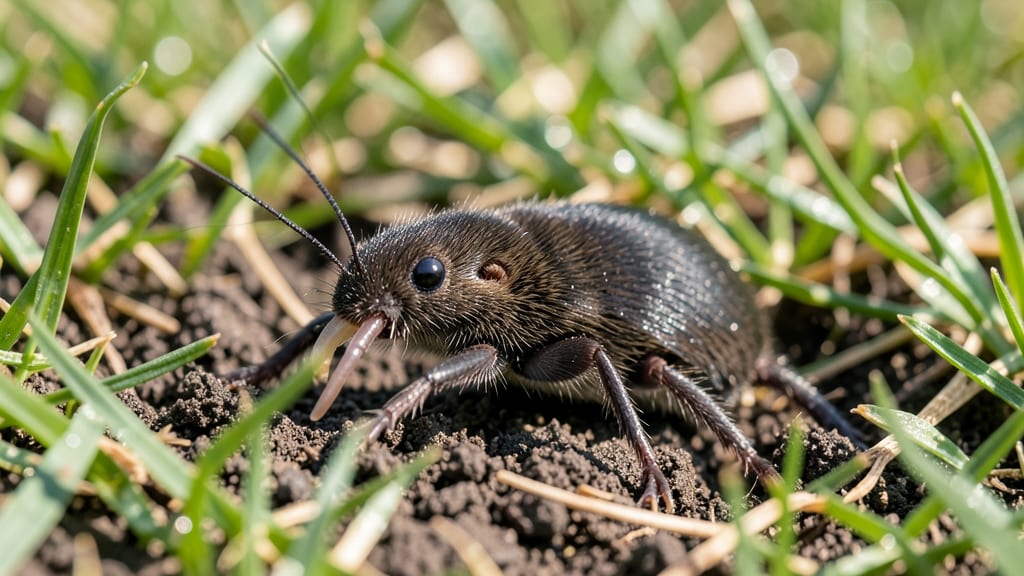
Mole crickets in your lawn aren’t just pests—they’re the sneaky architects of unsightly tunnels that turn your yard into a maze. 🌱 I’ve battled these critters for years, and the key is understanding their habits before they destroy your grass.
Most people mistake them for moles, but these winged troublemakers are actually crickets with a taste for roots and larvae.
The damage starts small—tiny mounds of dirt appear after rain, and your lawn develops brown patches where the grubs feed. By the time you notice, they’ve already tunneled deep.
The good news? Natural controls like nematodes, milky spore, or even diatomaceous earth can work better than chemicals if applied at the right time.
With the right approach, you’ll see fewer tunnels within 4-6 weeks and a lawn that stays green all season. The secret is acting early—before the crickets lay eggs in summer. I’ll show you how to spot them, when to treat, and which methods actually work.
Whether you’re dealing with a new infestation or just want to prevent one, these steps will save your lawn from becoming a cricket buffet. Let’s get your yard back to looking its best—naturally.
The Hidden Triggers Behind Lawn Invaders
If your lawn is suddenly dotted with tiny, volcano-like mounds of dirt—especially after rain or at night—you’re likely dealing with cricket moles (or more accurately, their close cousins, the sand crickets or mole crickets).
These critters don’t just dig for fun; their tunneling is a survival strategy tied to their biology, behavior, and even your lawn’s health. Understanding why they’re there is the first step to outsmarting them. Let’s break down the science behind their unwanted excavation.
Cricket moles (or mole crickets) are drawn to lawns that mimic their natural habitat—soft, moist soil with a buffet of organic matter. Here’s what makes your yard a five-star resort for them:
- Overwatered or Compacted Soil:
Mole crickets thrive in soil that’s too wet but not soggy. Overwatering (especially with sprinklers that flood the surface) creates the perfect moisture gradient for their tunnels. Compacted soil from foot traffic or heavy machinery also makes digging easier for them, as their small bodies can’t handle resistance.
Pro Tip: 🌡️ Test your soil’s moisture by squeezing a handful—if water drips out, you’re overdoing it. Aim for 1 inch of water per week (including rain) and let the topsoil dry slightly between waterings.
- Thatch Buildup:
A thick layer of thatch (decomposing grass and roots) acts like a cricket mole hotel. It provides shelter, food (insects and larvae), and easy access to the soil below. If your lawn’s thatch layer is over ½ inch thick, you’ve got an all-you-can-eat buffet for these pests.
Pro Tip: ✨ Dethatch in early spring or fall using a rake or vertical mower—just don’t go too deep (target the top ¼ inch of thatch) to avoid damaging grass roots.
- Poor Drainage:
Low-lying areas or clay-heavy soil trap water, creating anaerobic zones where mole crickets love to dig. These areas also attract earthworms and grubs—their favorite snacks.
Pro Tip: 🔥 Improve drainage by aerating in fall and top-dressing with compost or sand (50/50 mix) to break up compacted clay.
Mole crickets aren’t just digging randomly—they’re hunting. Their diet drives their tunneling behavior, and if your lawn is a smorgasbord, they’ll stick around. Here’s what’s on their menu:
| Food Source | Why It Attracts Them | How to Reduce It |
|---|---|---|
| Grubs (white grubs) | Larvae of beetles, a high-protein food source. Mole crickets tunnel to ambush them. | Apply beneficial nematodes (like Heterorhabditis bacteriophora) in early fall to target grubs naturally. |
| Earthworms | Easy prey in moist soil. Crickets dig vertical shafts to intercept them. | Reduce nighttime watering (worms come up then) and avoid over-fertilizing with nitrogen. |
| Decomposing Organic Matter | Thatch and leaf litter provide shelter and nutrients from decomposed plants. | Remove thick thatch layers and mulch lightly (¼ inch) with wood chips, not leaves. |
| Seedlings and Roots | New grass shoots are tender and nutritious, encouraging them to tunnel near the surface. | Seed after cricket activity peaks (late summer/fall) and use grub-resistant grass types like tall fescue. |
Cricket moles are opportunistic, and their activity spikes when conditions align with their lifecycle. Here’s when and why they’re most active:
- Warm, Humid Nights:
Mole crickets are nocturnal and prefer temperatures between 70–85°F. They surface to feed after dark, which is why mounds appear fresh in the morning. Rainy nights are their peak hunting time—moist soil softens for easy digging.
Pro Tip: 🎯 Use blacklight traps (UV lights attract them) or diatomaceous earth around active areas at dusk to disrupt their feeding.
- Spring and Fall Emergence:
Adults emerge in late spring to mate and lay eggs, then again in fall for a second generation. Their tunneling increases as they prepare nests and search for mates.
Pro Tip: 💡 Time preventive treatments (like milky spore or nematodes) in early spring before eggs hatch.
- Drought Stress in Lawns:
Ironically, dry spells can also attract mole crickets. Stressed grass releases more sugars into the soil, which attracts insects (their food). Plus, they dig deeper to escape the heat.
Pro Tip: 🌱 Water deeply but infrequently (1–1.5 inches per week) to encourage deep root growth, making the lawn less appealing.
Once you identify why cricket moles have moved into your lawn, you can target the root cause—not just the symptoms. The key is disrupting their food, water, and shelter sources while making your yard less hospitable.
Next, we’ll cover how to evict them naturally without harming your grass or the ecosystem.
Fixing Lawn Mound Damage Naturally
Cricket moles—those tiny but mighty lawn disruptors—can turn your carefully manicured grass into a bumpy, uneven mess. The good news? You don’t need harsh chemicals or expensive solutions to reclaim your lawn.
Below are targeted fixes for the most common causes of cricket mole activity, along with prevention tips to keep your yard smooth and healthy for seasons to come.
Cricket moles create small, irregular mounds as they tunnel underground. These aren’t just cosmetic—they can compact soil and disrupt grass roots.
🍳 Step 1: Identify and Trap (Humanely!)
Before reaching for pesticides, try non-toxic traps or deterrents: - Bucket Trap: Bury a 5-gallon bucket halfway into the ground with the rim flush to the soil. Cricket moles will dig toward the dark, fall in, and be unable to escape.
Check daily and release them far from your lawn (e.g., a wooded area). - Castor Oil Spray: Mix 2 tbsp castor oil with 1 gallon of water and a few drops of dish soap. Spray directly on mounds and entry points.
The oil irritates their respiratory systems, encouraging them to relocate. - Diatomaceous Earth (DE): Sprinkle food-grade DE around active mounds. It dehydrates insects but is safe for pets once settled. Reapply after rain.
👨🍳 Step 2: Reseed and Aerate Damaged Areas
Mounds disrupt soil structure, leaving bare spots or compacted patches. Fix it with:
- Rake out debris from mounds to expose fresh soil.
- Aerate the area with a manual or powered aerator to relieve compaction.
- Top-dress with a 1/4-inch layer of compost or sand to improve drainage.
- Sow grass seed (choose a shade-tolerant blend if your lawn is partially shaded). Water lightly daily until germination.
⏰ Step 3: Monitor and Retreat
- Check traps weekly for 4–6 weeks to ensure all moles have left.
- Reapply castor oil or DE every 2–3 weeks if mounds reappear.
- Avoid overwatering—cricket moles thrive in damp soil, so keep irrigation consistent.
Cricket moles don’t just dig—they eat grass roots and seedlings, leaving yellow patches or stunted growth.
💡 Pro Tip: Strengthen Grass Roots First
A healthy lawn is less appealing to moles.
Take these steps: - Mow high (3–4 inches) to shade soil and deter digging. - Fertilize in early spring with a slow-release, organic fertilizer (like compost or bone meal) to boost root depth. - Water deeply but infrequently (1–1.5 inches per week) to encourage deep roots and reduce mole-friendly moisture.
🎯 Long-Term Deterrents
- Plant mole-resistant ground covers: Creeping thyme, clover, or moss can outcompete moles for food.
- Install a physical barrier: Bury hardware cloth (1/4-inch mesh) 12 inches deep along garden beds or high-value lawn edges.
- Encourage natural predators: Attract birds (like robins) with birdhouses or native plants that provide cover and insects.
Persistent cricket mole activity often means ideal conditions (moist, loose soil with plenty of grubs/roots). Break the cycle with:
| Problem | Solution |
|---|---|
| Too many grubs | Apply beneficial nematodes** (like Heterorhabditis bacteriophora) to kill grubs naturally. |
| Overly moist soil | Improve drainage with gypsum or sand top-dressing. Avoid overwatering. |
| Weak grass competition | Overseed with a dense, aggressive grass like tall fescue or Kentucky bluegrass. |
| Shady, damp spots | Plant moss or shade-tolerant perennials to reduce mole-friendly conditions. |
- Inspect regularly: Check for fresh mounds every 2 weeks during spring/summer.
- Reduce grubs: Treat lawn for grubs in late summer with milky spore or neem oil.
- Keep lawns thick: Overseed bare patches immediately to deny moles easy meals.
- Avoid tilling: Disturbing soil can attract moles—opt for core aeration instead.
- Use mulch strategically: Apply wood chips or straw in garden beds to deter digging near lawn edges.
By combining immediate fixes with long-term lawn care, you can outsmart cricket moles without resorting to toxic chemicals. A little patience and prevention will have your lawn looking smooth, green, and mole-free in no time!
Frequently asked questions
Are cricket moles the same as regular moles?
No, they’re completely different! Cricket moles are actually winged insects (a type of mole cricket), while regular moles are mammals with spade-like front paws. Cricket moles create small, irregular mounds (about 1-2 inches wide) and are active at night, whereas moles make larger, raised tunnels with visible entrance holes.
How do I know if my lawn has cricket moles or grubs?
Check for these signs: cricket moles leave small, scattered mounds after rain, while grubs cause large, irregular brown patches that pull up easily. Dig up a small section—if you find white, C-shaped larvae (½ inch long), those are grubs; if you see winged insects or tunnels, it’s cricket moles.
Can I use chemical pesticides for cricket moles?
Chemicals like imidacloprid can work, but they’re not the best long-term solution. They kill beneficial insects too and may harm pets. Instead, try beneficial nematodes or castor oil spray—they’re safer for your lawn’s ecosystem while still effective against cricket moles.
When is the best time to treat for cricket moles?
Act in early spring (March-April) before they lay eggs, or in late summer (August-September) when they’re most active. Timing is key—treatments work best when applied before their populations explode. Avoid treating in winter when they’re dormant.
Will my lawn recover after cricket mole damage?
Yes! With proper care, your lawn can bounce back. Reseed damaged areas, aerate compacted soil, and improve drainage. Most lawns show noticeable improvement within 4-6 weeks of consistent care. The key is addressing both the pests and the underlying soil conditions.