
Pests
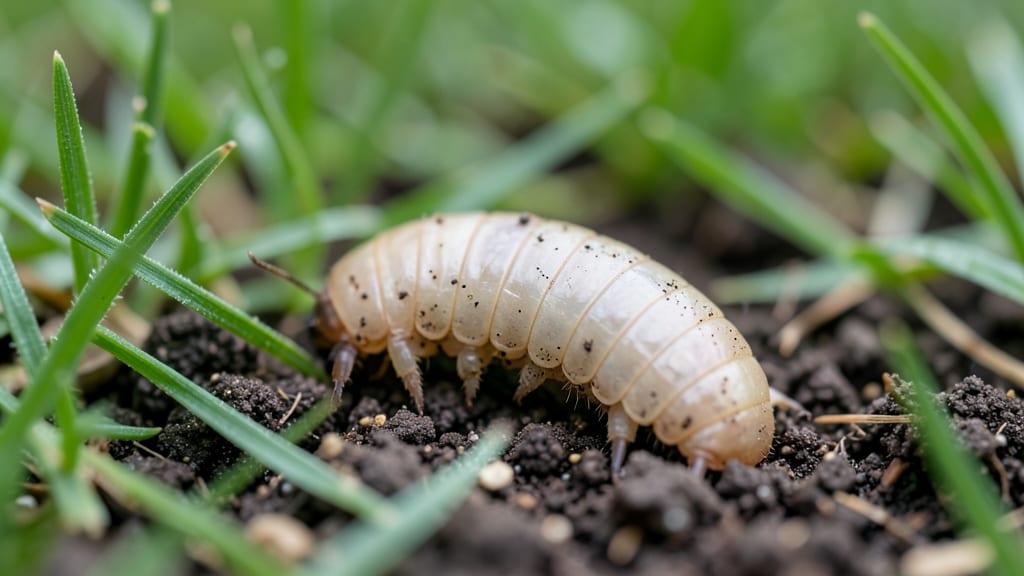
How to treat lawn grubs when they’re turning your green grass into a patchwork of brown—fast. The good news? I’ve saved my own lawn from total grub takeover using organic methods that actually work within 2-3 weeks, not months. No harsh chemicals needed, just smart timing and targeted action. First, confirm you’ve got grubs: dig up a small patch of sod and look for white, C-shaped larvae. Heavy infestations mean more than 10 grubs per square foot—that’s when action is critical. The key is to strike when they’re young (late summer/early fall) before they pupate into beetles. You’ll end up with a lawn that stays green, recovers from damage, and resists future grub attacks. The secret? Combining beneficial nematodes with milky spore bacteria—both are safe for pets and kids once established. Works for both small yards and large lawns. Let’s get those grubs gone for good.
📚 In This Guide
- What you need
- Instructions
- Tips and common mistakes
- Wrapping up and next steps
What you need
- ● Hand trowel or garden fork – For digging up small sections of turf to check for grubs (6–12 inches deep).
- ● Garden hose or watering can – To wet the lawn before inspecting (helps grubs surface).
- ● Gloves (heavy-duty) – Protects your hands from dirt, grubs, and potential irritants.
- ● Bucket or wheelbarrow – For collecting grubs or mixing organic treatments (5-gallon capacity recommended).
- ● Measuring cup or scale – For precise application of organic pesticides or fertilizers.
- ○ Sprayer (hose-end or backpack) – For even distribution of liquid treatments (optional but helpful for larger lawns).
- ● Beneficial nematodes (Heterorhabditis bacteriophora) – 5–10 million nematodes per 1,000 sq. ft. (apply at dusk with a sprayer).
- ● Neem oil (1–2%) – 1–2 tbsp per gallon of water (use as a foliar spray or soil drench).
- ● Milky spore powder (Bacillus popilliae) – 2–4 lbs per 1,000 sq. ft. (best for long-term prevention; mix into topsoil).
- ● Diatomaceous earth (food-grade) – 1–2 lbs per 100 sq. ft. (sprinkle lightly on dry turf; reapply after rain).
- ● Compost or worm castings – 1–2 inches spread over the lawn to improve soil health and deter grubs.
- ● ✅ Best time to treat: Late summer to early fall (when grubs are young and most vulnerable) or spring (after they’ve overwintered).
- ● ✅ Weather conditions: Apply treatments on a cool, overcast day or early evening to avoid UV damage (especially for nematodes).
- ● ✅ Lawn prep: Mow the grass short (1–1.5 inches) before treatment for better coverage.
- ● ✅ Water access: Have a backup water source if using nematodes (they need moisture to survive).
- ● Soil test kit – To check pH and nutrient levels before applying treatments.
- ● Lawn aerator – Helps organic treatments penetrate deeper into the soil.
- ● Birdseed or cornmeal – Use as a bait to attract grubs for manual removal (place in a shallow tray overnight).
- ● Patience & a magnifying glass – For thorough inspections (because grubs are sneaky!).
Step-by-step instructions for treating lawn grubs organically
Here’s how I tackle grub infestations without harsh chemicals—fast results in just a few weeks.
Confirm Grubs Are the Problem
Before treating, dig up a small patch of sod and look for white, C-shaped larvae about ½ to ¾ inch long. If you also see patches of brown, dying grass that pulls up easily (like a carpet), grubs are likely the culprit. I check in late summer or early fall when they’re most active. If you spot moles or skunks digging, that’s another clue—these pests feast on grubs.
Don’t confuse grubs with other pests like chinch bugs or armyworms. Grubs stay below the surface, while those pests chew on blades. If you’re unsure, take a sample to your local extension office for confirmation. Misidentifying the problem means wasted time and money on the wrong treatment.
Apply Beneficial Nematodes for Fast Grub Control
Beneficial nematodes—microscopic worms—are the fastest organic solution. Mix 1 pound of nematodes per 1,000 square feet with 1 gallon of water in a spray tank. Apply in the early evening when temperatures are below 85°F and the lawn is moist but not soggy. I use a hose-end sprayer to distribute evenly over the affected area.
Water the lawn lightly before and after application to help nematodes move into the soil. They’ll seek out grubs within 48 hours and kill them in 2-3 days. Repeat the treatment every 4-6 weeks during peak grub activity (late summer to early fall) for full control. Avoid treating if rain is forecast within 24 hours—nematodes need time to work before they’re washed away.
Use Milky Spore for Long-Term Prevention
For lasting protection, apply milky spore bacteria to your lawn. This organic treatment thrives in the soil and multiplies over time, targeting grubs naturally. Mix 1 pound of milky spore per 500 square feet with 5 gallons of water and spread evenly using a broadcast spreader. Water the lawn thoroughly after application to help the bacteria settle into the soil.
Milky spore takes 2-3 years to establish fully, but it’s worth the wait. Once established, it can provide 10+ years of grub control with minimal effort. I apply it in early fall when grubs are active and soil temperatures are ideal (60-75°F). Avoid treating if your lawn has recently been fertilized—wait at least 4 weeks to prevent burning the grass.
Encourage Natural Predators
Birds, toads, and ground beetles are natural grub hunters. To attract them, keep your lawn healthy with proper mowing and watering. Avoid pesticides that harm these predators. I also leave some leaf litter in shady areas to provide shelter for toads and beetles. If you spot skunks or raccoons digging, they’re likely after grubs—let them do their job!
Planting native grasses and wildflowers around your lawn edges creates habitat for beneficial insects. Over time, these predators will help keep grub populations in check. If you’re dealing with a severe infestation, combine this step with nematodes or milky spore for the fastest results. Patience is key—natural predator populations build gradually but provide long-term balance.
Monitor and Retreat as Needed
Check your lawn 2-3 weeks after treatment to see if grub activity has decreased. Dig up a few patches of sod again and look for signs of improvement. If you still see grubs, repeat the nematode treatment or apply milky spore again. Consistency is crucial—grubs reproduce quickly, so don’t skip treatments.
Keep your lawn well-maintained between treatments: mow at 3-4 inches tall, water deeply but infrequently, and fertilize lightly. Overwatering or over-fertilizing stresses grass and makes it more vulnerable to grub damage. If you notice new brown patches, act fast—catching infestations early makes treatment easier and more effective.
Tips & tricks for effective lawn grub treatment
These practical insights will help you get the most out of your organic grub control efforts—saving time and ensuring long-term success.
Timing is Everything: The 48-hour window after applying beneficial nematodes is critical. I recommend treating in the early evening when temperatures are below 85°F—this gives the nematodes the best chance to move through the soil before heat stress sets in. If you miss this window, consider waiting for cooler weather. The key is moisture: lightly water the lawn both before and after application to create ideal conditions for nematode movement.
Milky Spore Application Strategy: When applying milky spore, focus on the areas where you confirmed grub activity in Step 1. Use a broadcast spreader for even coverage, and don't skip the thorough watering afterward—this helps the bacteria reach the soil's lower layers where grubs hide. I've found that applying milky spore in early fall when soil temperatures are between 60-75°F gives the best results. This timing coincides with peak grub activity and optimal bacterial growth conditions.
Natural Predator Boost: To maximize the effectiveness of natural predators, create small shelters in your lawn's shady areas. I use inverted clay pots filled with leaf litter—this provides perfect hiding spots for toads and ground beetles. Planting native wildflowers around your lawn edges also attracts beneficial insects. Remember, these predators need time to establish, so combine them with nematodes or milky spore for immediate results while building your long-term defense system.
Monitoring Made Easy: When checking for treatment success after 2-3 weeks, I recommend selecting the same spots you examined initially. Look for three key signs: improved grass color, easier sod pull (indicating healthier roots), and fewer visible grubs when you dig up samples. If you still see significant grub activity, don't hesitate to repeat the nematode treatment—consistency is what breaks the grub life cycle.
Pro Tips for Treat Lawn Grubs
- These practical insights will help you get the most out of your organic grub control efforts—saving time and ensuring...
- Timing is Everything: The 48-hour window after applying beneficial nematodes is critical. I recommend treating in the...
- Milky Spore Application Strategy: When applying milky spore, focus on the areas where you confirmed grub activity in ...
Frequently asked questions
Got questions about tackling lawn grubs?
You’re not alone—these sneaky pests can turn a lush lawn into a chewed-up mess if you don’t act fast. Below, we’ve rounded up the most common queries to help you get it right the first time.
How do I know if my lawn has grubs and not just regular wear?
Grubs are often mistaken for general lawn stress, but look for these key signs:
- Sod lifting: Patches of grass peel back easily like a carpet.
- Thin, patchy spots: Grass turns brown or dies in irregular clusters.
- Birds or animals digging: Raccoons, skunks, or crows tearing up your lawn is a major red flag.
- Dig test: Lift a small section of sod—if you see white, C-shaped grubs (½" long), you’ve got a problem.
Pro tip: Early morning or evening is the best time to spot them—they’re near the surface when soil is moist.
When is the best time to treat lawn grubs organically?
Timing is everything! Grubs are most vulnerable in late summer to early fall (August–September) when they’re young and near the surface. However, you can also treat in early spring (April–May) to prevent eggs from hatching.
Avoid treating in extreme heat or drought
—grubs burrow deeper, making treatments less effective.
Are organic grub treatments as effective as chemical pesticides?
Yes—but with a few caveats. Organic methods like beneficial nematodes, neem oil, or milky spore take longer (2–4 weeks) to work but are safer for kids, pets, and the environment. Chemicals like imidacloprid act faster but can harm beneficial insects and soil health.
Best approach:
Start with organic treatments first. If grubs persist, consider targeted chemical spot treatments.
What’s the best way to prevent grubs from coming back next year?
Prevention is your best defense! Follow these 3 steps:
- Improve lawn health: Overseed thin areas, aerate compacted soil, and fertilize with low-nitrogen, high-potassium blends to strengthen grass roots.
- Encourage natural predators: Birds, toads, and ground beetles love grubs. Add a small water feature or native plants to attract them.
- Apply milky spore: This organic bacteria targets Japanese beetle grubs (the worst offenders) and builds up in your soil over time.
Bonus:
Mow high (3–4 inches) to shade the soil and deter egg-laying beetles.
My lawn still has grubs after treatment—what now?
If grubs persist, you may need a multi-pronged approach:
- Reapply treatment: Sometimes a second round (2–3 weeks later) is needed, especially with organic methods.
- Reseed bare spots: Use a grub-resistant grass variety like tall fescue or Kentucky bluegrass.
- Hand-pick severe cases: For small lawns, dig up infested areas, remove grubs, and compost the soil.
- Call a pro: If the problem is widespread, a local pest control expert can assess soil conditions and recommend stronger (but targeted) solutions.
Remember:
If you see adult beetles (like June bugs) in late summer, they’re likely laying eggs—act fast!
Wrapping up and next steps
Dealing with lawn grubs doesn’t have to be a daunting task—with the right organic solutions, you can restore your lawn’s health and beauty in no time! 🌱 Whether you choose nematodes, milky spore, or DIY sprays, consistency is key.
Start by assessing the damage, then apply your chosen treatment methodically, and follow up with preventive care to keep grubs at bay.
You’ve got this! Take action today—pick your preferred method, roll up your sleeves, and give your lawn the fresh start it deserves. A lush, grub-free yard is just a few steps away! 🌟