
Lawn
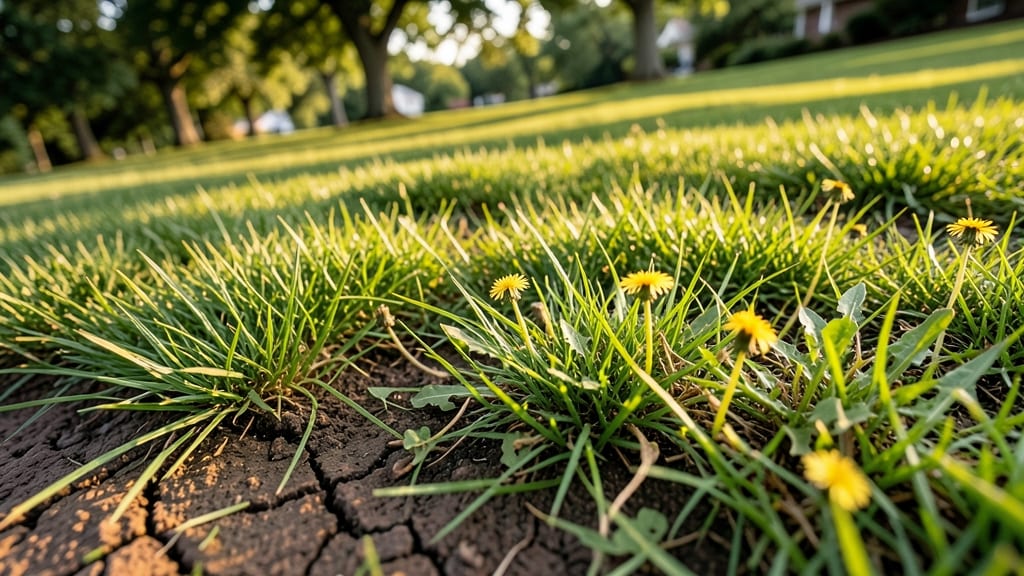
New Jersey lawns battle unique weeds year-round—from creeping crabgrass in summer to stubborn dandelions in spring. This guide helps NJ homeowners identify the most common weeds and eliminate them naturally without harsh chemicals.
Creeping Crabgrass Identification and Prevention
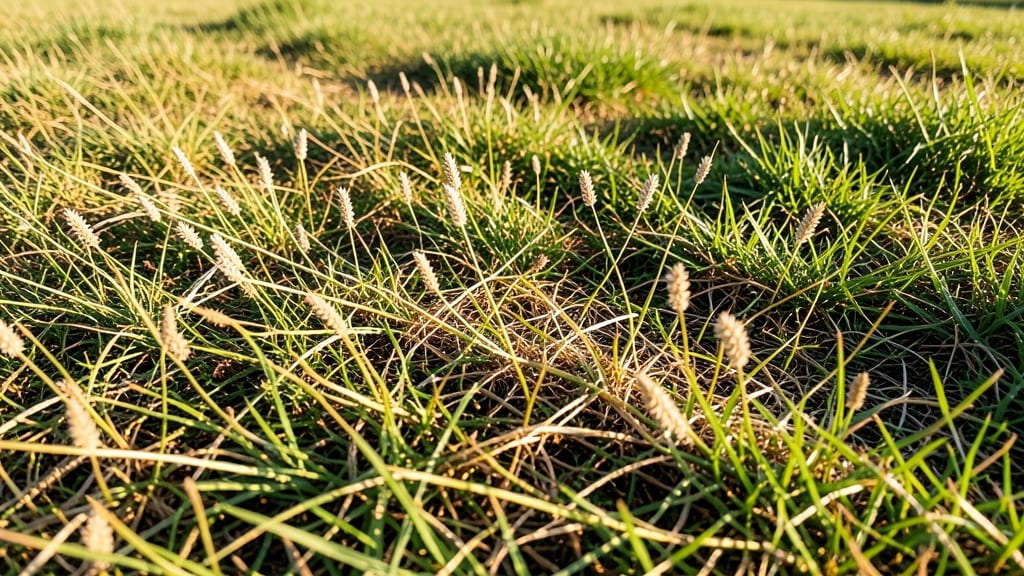
If your NJ lawn develops patchy, yellowing spots by midsummer, you’re likely battling creeping crabgrass—the state’s most relentless summer weed. This aggressive invader spreads through long, creeping stems, forming dense mats that choke out grass and leave behind unsightly seed heads resembling tiny, fuzzy dandelions.
To stop it before it takes over, focus on prevention: apply a pre-emergent herbicide (like corn gluten) in early spring, then maintain a thick, healthy lawn by overseeding bare patches. If crabgrass already has a foothold, hand-pull young plants before they develop seed heads, or use a spot treatment of vinegar and dish soap for organic control.
Homeowners with high-traffic lawns or sandy soil will find this method especially effective—thick grass is the best defense against crabgrass’s rapid spread. 🌱
Dandelion Root Extraction for Good
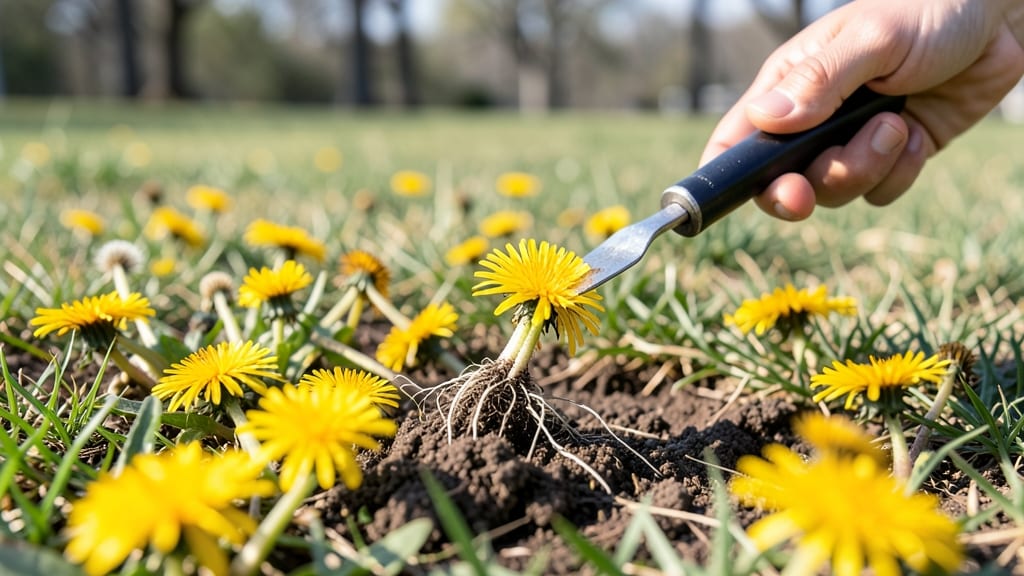
Spring in New Jersey means bright yellow dandelions popping up everywhere—but instead of treating them as weeds, try extracting their deep taproots to improve your lawn. This method removes the entire plant while leaving your soil enriched and ready for reseeding with clover or grass.
Use a dandelion root extractor tool (or a sturdy screwdriver) to twist the root out of the soil, being careful not to break it. The long, white taproot can stretch up to 15 inches deep, so persistence pays off. After extraction, scatter clover seeds or overseed with grass to fill the bare spots while adding nitrogen to the soil.
This approach works especially well for urban gardeners or those with small lawns who want to avoid herbicides. Plus, the extracted roots can even be dried and brewed into tea for a caffeine-free herbal remedy! 🌻
Clovers: How to Distinguish Beneficial from Weedy Types
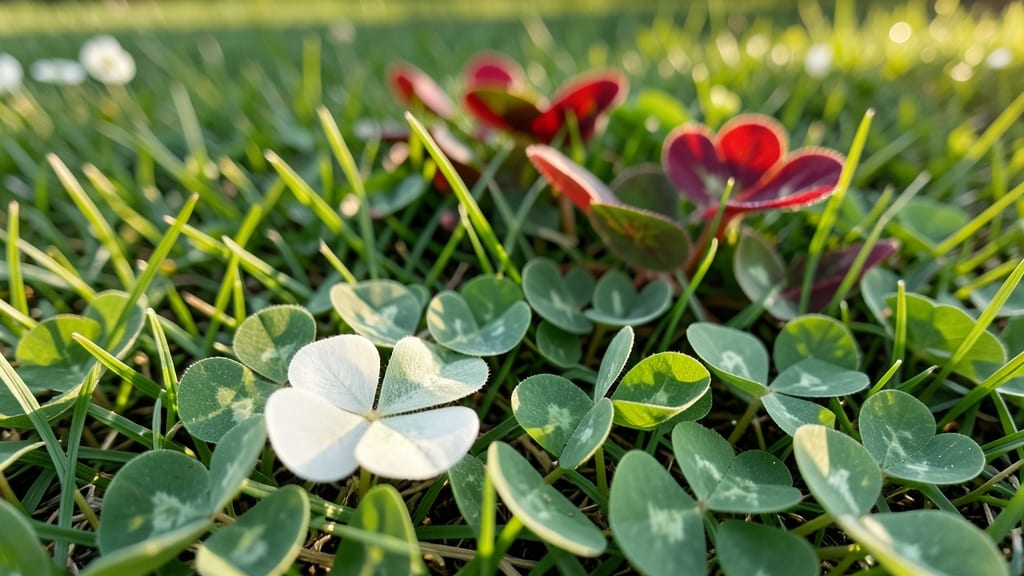
Not all clovers are created equal in your NJ lawn—some are beneficial nitrogen-fixers while others can smother grass. The key difference lies in their leaf patterns: white clover has rounded leaflets with a pale underside, while red clover features heart-shaped leaves with a distinctive red tint when young. Both improve soil health, but white clover spreads aggressively in thin lawns.
To manage them naturally, mow at 3 inches or higher to weaken their roots, or hand-pull small patches before they set seed. For lawns you want to keep grass-dominant, overseed bare spots in early fall to outcompete clover growth. This method works best for homeowners who prefer low-maintenance lawns with natural soil enrichment. 🌿
Nutsedge Control with Vinegar and Corn Gluten
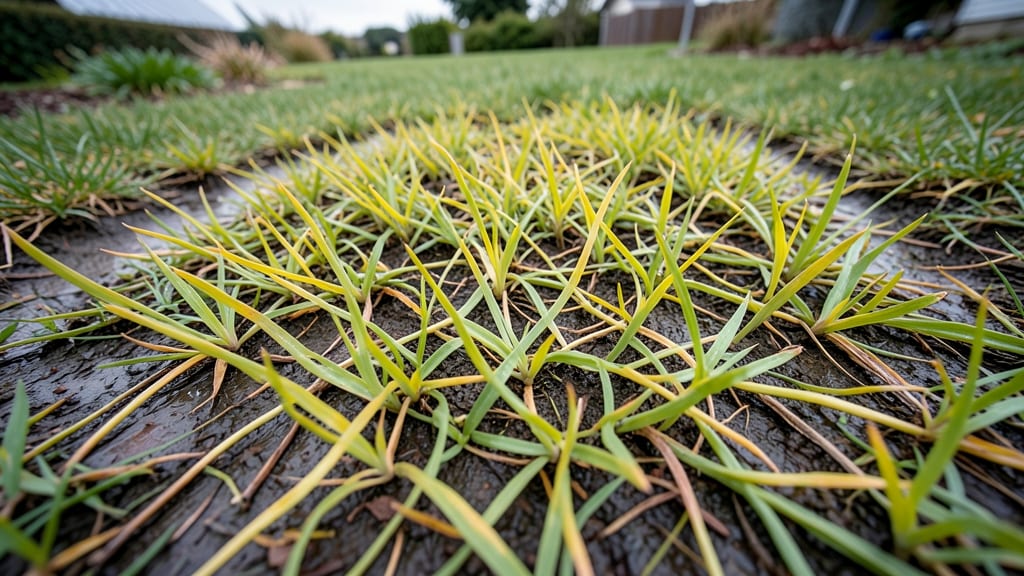
If your NJ lawn has unsightly, grass-like weeds with triangular stems and yellowish-green leaves—especially in damp or shady spots—you’re likely dealing with nutsedge. This stubborn perennial thrives in wet soil, spreading aggressively and leaving behind bare patches that even thick grass can’t reclaim.
For organic control, mix 1 gallon of white vinegar (20% acetic acid) with 1 cup of corn gluten meal and apply directly to nutsedge patches on a dry, windless day. The vinegar kills existing plants within 24-48 hours, while the corn gluten prevents new seeds from germinating. Reapply every 4-6 weeks during the growing season for persistent areas. This combo is safe for grass when used carefully—just avoid overspray on desired plants.
Gardeners with low-lying or poorly drained lawns will find this method a game-changer, as it targets the root cause without synthetic chemicals. Just be patient—consistent applications yield the best long-term results. 🌿
Plantain Weed Removal Using Boiling Water
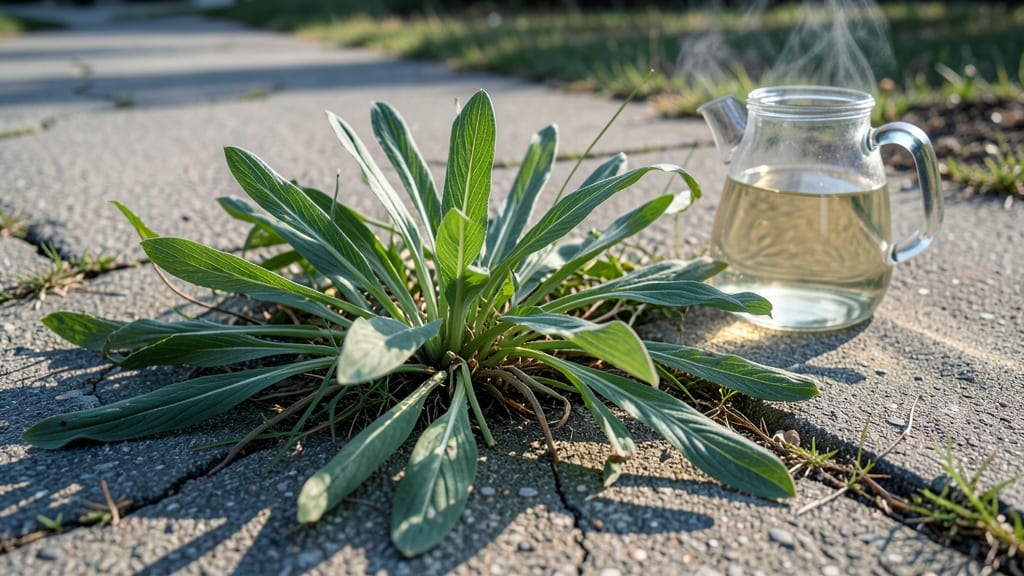
Tired of broadleaf plantain taking over your NJ sidewalks and lawn edges? This tough, ribbed-leafed weed thrives in compacted soil but can be defeated with a simple, eco-friendly trick—boiling water. Unlike chemical herbicides, this method targets only the plantain without harming surrounding grass, flowers, or soil microbes.
Fill a 1-gallon watering can with boiling water and pour it directly over the plantain leaves and roots. The high heat kills the plant on contact, and since plantain has shallow roots, one treatment often suffices. For stubborn patches, repeat every 3-5 days until the leaves turn brown and crisp. This works best on warm, sunny days when the plantain is actively growing.
Perfect for urban gardeners and eco-conscious homeowners, this method is safe for pets and children once the water cools. Just avoid pouring on desirable plants or soil—plantain’s resilience makes it the ideal candidate for this precise, chemical-free approach. 💚
Chickweed Elimination in Early Spring
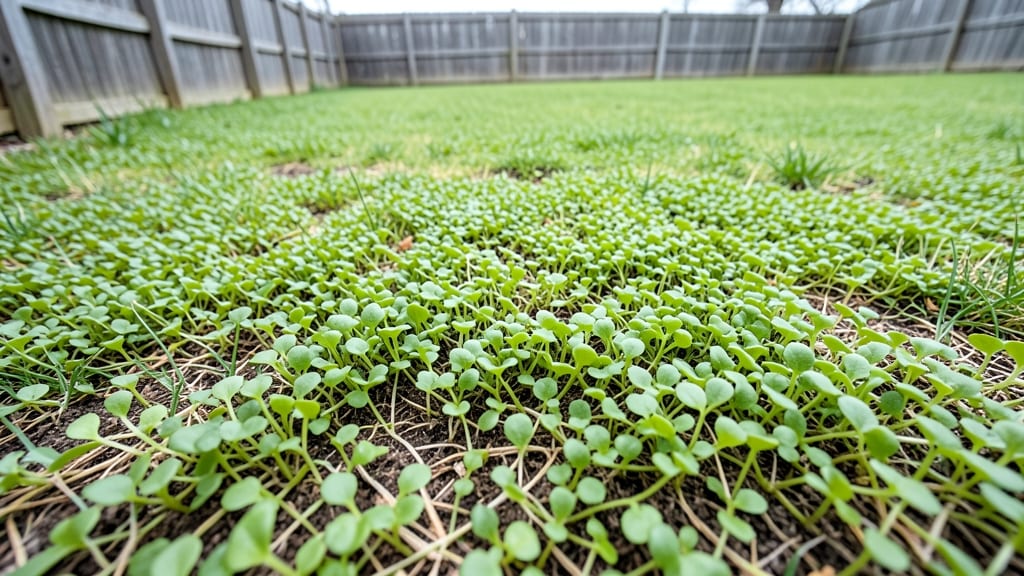
If your NJ lawn looks like a sea of tiny green carpet in early spring, you’re likely dealing with chickweed—a cool-season weed that thrives in winter and blankets grass before it even has a chance to grow. This delicate but persistent weed spreads rapidly, smothering new grass and leaving behind bare patches if left unchecked.
To eliminate chickweed before it takes over, start pulling it by hand when the soil is moist but not muddy—typically in March or early April before it sets seed. Use a weeding tool or your fingers to grasp the entire plant (roots and all) to prevent regrowth. For larger infestations, apply a corn gluten meal pre-emergent in late fall to prevent seeds from germinating the following spring. This method is especially effective for homeowners with newly seeded lawns or those who prefer organic solutions.
Chickweed is a sign that your lawn needs better competition—thick, healthy grass is the best defense against its spread. Focus on overseeding in early fall to crowd out chickweed before it returns next winter. 🌱
Moss Management for Shady NJ Lawns
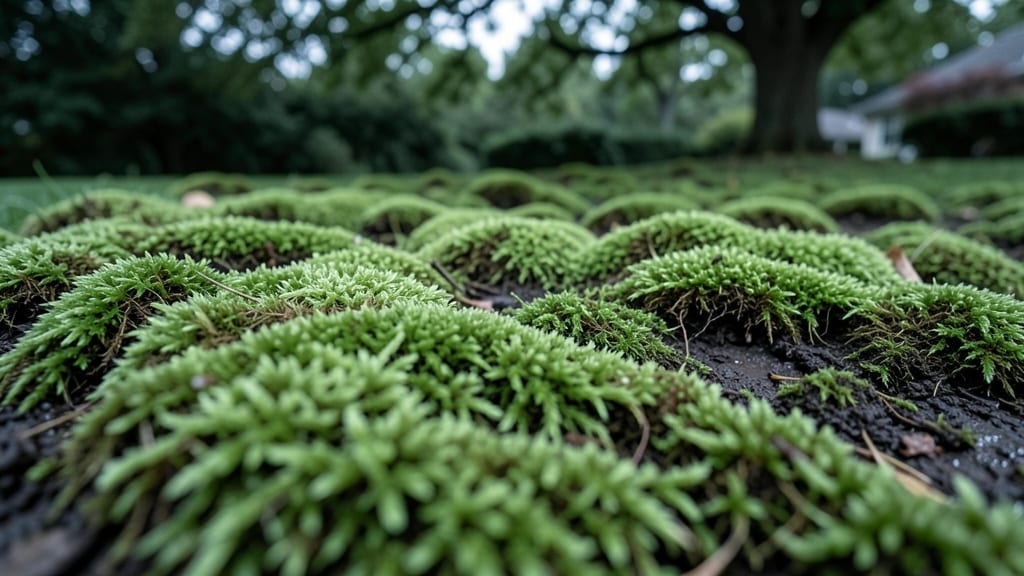
That soft, velvety green carpet of moss in your shady NJ lawn might look picturesque, but it’s actually a cry for help from your soil. Unlike weeds, moss thrives in compacted, waterlogged conditions—signaling poor drainage that’s preventing grass roots from establishing properly.
To reclaim your lawn, start by aerating the mossy areas in early fall to relieve compaction, then spread a ½-inch layer of compost or peat moss to improve soil structure. Follow up with a thin layer of sand or perlite to enhance drainage, then overseed with shade-tolerant grass like fine fescue. Water lightly but frequently to help new grass outcompete moss without smothering it.
This method works best for homeowners with dense shade or clay-heavy soil—giving you a lush, green lawn without chemical herbicides. Your mossy patches will gradually transform into thriving turf. 🌿
Poison Ivy Prevention and Natural Barriers
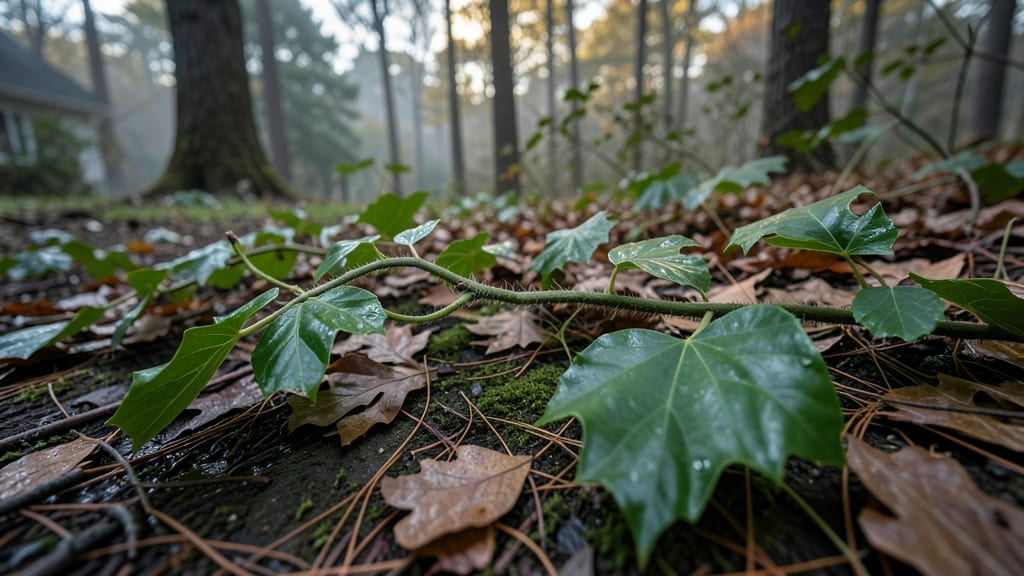
If you’ve noticed glossy, three-leafed vines creeping along your wooded lawn edges in New Jersey, you’re likely dealing with poison ivy—a dangerous weed that can spread rapidly if left unchecked. This persistent plant thrives in shaded, moist areas, making it a common nuisance for homeowners with property borders near forests or thickets.
To prevent its spread, start by identifying it using the "leaves of three, let it be" rule—each leaflet has a smooth or slightly serrated edge, and the vine often develops red stems in autumn. Create a natural barrier by planting dense ground covers like periwinkle or creeping thyme along the lawn’s edge, which will outcompete poison ivy for sunlight and space. For existing patches, cut vines at the base with gloves and long sleeves, then apply a vinegar-based herbicide (30% acetic acid) directly to the roots.
This method is ideal for homeowners with wooded property lines who want to avoid chemical sprays. Regular monitoring in spring and fall will keep poison ivy from encroaching on your lawn permanently. 🌿
Henbit Weed Control in Fall and Winter
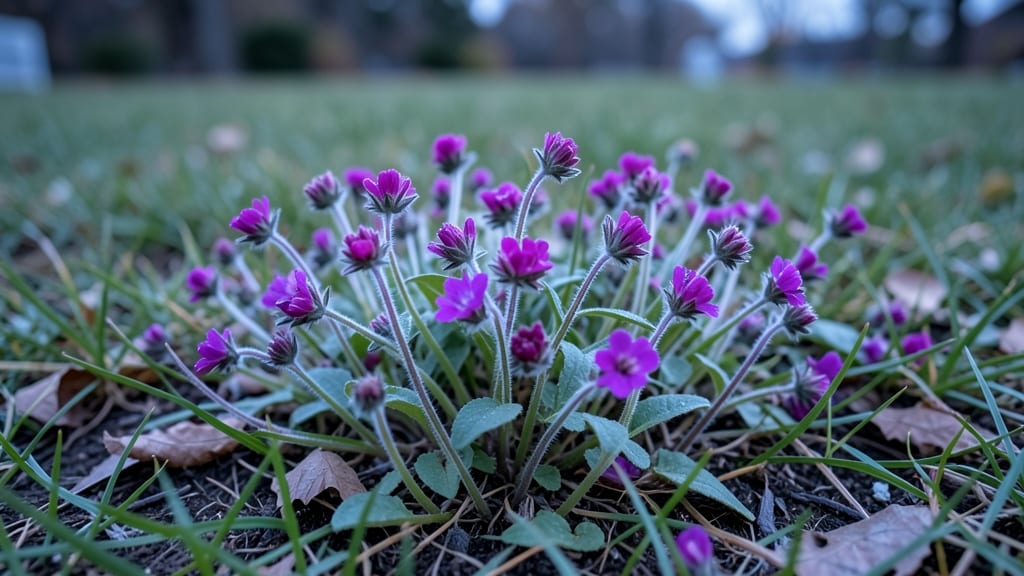
If your NJ lawn suddenly sprouts clusters of small, purple flowers and square stems in late fall, you’re likely dealing with henbit—a winter annual that thrives in cool weather and becomes a spring headache if left unchecked. Unlike summer weeds, henbit spreads quickly before disappearing when temperatures rise, making early action key to preventing next year’s infestation.
Start by hand-pulling young plants before they set seed, focusing on areas where they cluster, like thin grass patches or garden edges. For larger infestations, apply a corn gluten pre-emergent in early fall to block seed germination, or spot-treat with boiling water (pour directly on the roots for instant kill). Mulch with straw or wood chips to smother emerging seedlings and improve soil health.
This method is perfect for homeowners with fall lawn care routines—it’s simple, chemical-free, and stops henbit before it becomes a spring cleanup nightmare. A little effort now saves hours of work later! 💪
Grass Seed Selection to Outcompete Weeds

Tired of weeds stealing the spotlight in your NJ lawn? The secret to a lush, weed-resistant yard starts with the right grass seed blend—one that thrives in your specific soil and climate. New Jersey’s humid summers and clay-heavy soils demand grass varieties that grow aggressively, outcompeting weeds before they take hold.
Look for tall fescue or fine fescue blends, which are shade-tolerant and drought-resistant, or perennial ryegrass for fast germination and early weed suppression. These varieties establish quickly, filling bare spots where weeds love to grow. For clay-heavy soils, consider Kentucky bluegrass mixes—they spread via rhizomes, creating a dense turf that naturally crowds out invaders. Plant in early fall when temperatures are cooler and moisture levels are ideal for seedling success.
Homeowners with high-maintenance schedules will appreciate these low-fuss options, while those in shady areas benefit from fescue’s adaptability. The right seed blend transforms your lawn from a weed magnet into a thriving green barrier. ✨