
Lawn
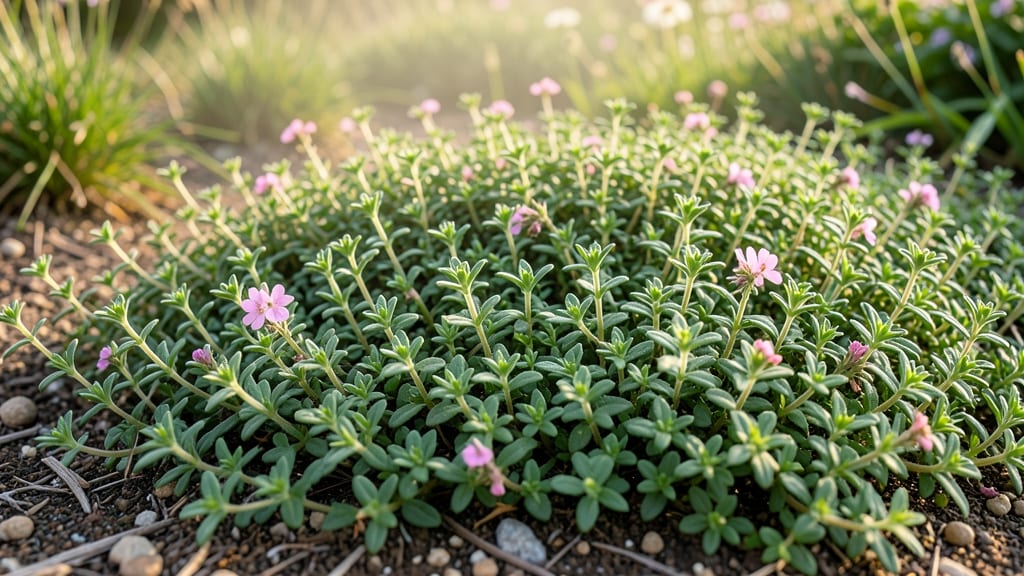
Creeping thyme lawns stay green through winter when you know the secrets. 🌿 I’ve watched mine hold its vibrant hue through 20-degree nights—no mulch, no fuss—because it’s built to handle cold better than most lawns.
The key is understanding how its growth slows but doesn’t stop, and how to protect it without smothering it.
First, stop watering entirely once the ground freezes—thyme stores moisture like a sponge. If snow covers it, leave it be; the blanket actually insulates the roots.
The only time to act is when ice forms a solid crust: gently break it up with a rake so sunlight can reach the leaves. Most brown patches you see in spring aren’t dead—just dormant, waiting for warmth to wake up.
By late winter, you’ll notice tiny green shoots pushing through the thatch. That’s your cue to rake away any dead growth and give the lawn a light trim with shears, not a mower.
The result? A dense, fragrant carpet that outlasts traditional grass by weeks, even in deep freeze. No brown patches, no patchy recovery—just reliable green.
This works in zones 3-9, from New England to the Midwest. The only "maintenance" is knowing when to back off and when to encourage it. Here’s how to tell the difference—and keep your lawn looking like a pro’s all winter long.
📚 In This Guide
- What you need
- Instructions
- Tips and common mistakes
- Wrapping up and next steps
What you need
- ● Creeping thyme seeds or plugs: Seeds: 1–2 lbs (enough to cover ~50–100 sq ft, adjust based on spacing)
- ● Plugs: 1 plug per sq ft (pre-planted for faster coverage)
- ● Well-draining soil: Sandy loam or amended garden soil (avoid clay-heavy areas)
- ● Compost or organic matter: 2–3 inches mixed into topsoil for nutrients
- ● Garden rake: For leveling soil and removing debris
- ● Hoe or transplanting tool: For planting plugs or seeds
- ● Watering can or hose with a gentle spray nozzle: For even moisture
- ○ Mulch (optional but helpful): Straw or shredded leaves (1 inch thick) to retain moisture
- ● Lawn roller (for compacting soil before planting)
- ● Organic fertilizer (low-nitrogen, 5-10-10 ratio) for initial growth
- ● Edging tool (to define borders neatly)
- ● Weed barrier fabric (if dealing with persistent weeds)
- ● Pruners (for trimming back in early spring)
Step-by-Step instructions for planting a creeping thyme lawn
Here's how to create a fragrant, drought-resistant ground cover that stays lush through winter.
🌱 Step 1: Prepare the Soil and Site
Choose a sunny location with 6+ hours of direct sun daily—creeping thyme thrives where most lawns struggle. Clear the area of weeds and debris, then loosen the top 6 inches of soil with a garden fork. This plant loves well-draining soil, so if your yard has heavy clay, mix in 2-3 inches of compost to improve drainage.
Level the ground with a rake, removing any rocks or clumps. Creeping thyme grows best in slightly dry conditions, so avoid amending with too much organic matter—this can make the soil too moist. Test the soil by squeezing a handful: it should crumble easily when dry but not feel powdery.
🌿 Step 2: Plant the Thyme
Space plants 6-12 inches apart for a dense carpet. Dig small holes just deep enough to cover the root ball, then place each plant so the top of the root ball sits level with the surrounding soil. Gently press the soil around the roots to eliminate air pockets—this helps the plants establish quickly.
Water lightly after planting to settle the soil, but don’t soak it. Overwatering at this stage can cause the roots to rot before they have a chance to spread. You’ll know the soil is right when it feels damp but not soggy—like a wrung-out sponge.
☀️ Step 3: Maintain Through the First Season
Water newly planted thyme once a week during the first growing season, giving it ½ inch of water per week. Once established, creeping thyme needs very little water—it’s one of the most drought-tolerant ground covers you can plant. After the first year, water only during prolonged dry spells.
Fertilize lightly in early spring with a balanced, slow-release fertilizer (10-10-10). Avoid high-nitrogen fertilizers, which encourage leafy growth at the expense of root development. You’ll notice healthy growth when the plants spread quickly and fill in gaps within a few months.
⏰ Step 4: Winter Care for Year-Round Beauty
Creeping thyme stays green through winter, but a light layer of mulch helps protect it from freezing temperatures. Spread 1 inch of straw or pine needles over the lawn in late fall, then remove it in early spring. This keeps the roots insulated without smothering the plants.
In late winter or early spring, trim back any brown or leggy growth with shears set to 1-2 inches above the soil. This encourages fresh, dense growth and keeps the lawn looking neat. You’ll see new green shoots emerge within a few weeks—proof that your thyme is thriving even in cold weather.
Tips & tricks for perfect creeping thyme lawn
Between us, these little details make all the difference for a fragrant, resilient thyme lawn that stays lush through winter.
Soil Prep Secret: If your soil feels compacted or clay-heavy, mix in that 2-3 inches of compost in Step 1—but don't overdo it. Too much organic matter can actually trap moisture, which creeping thyme hates. Think of it like making a dry cake batter: just enough flour to hold things together, not a soggy mess. Test your soil by squeezing a handful: it should crumble when dry but not fall apart like dust.
Planting Precision: When spacing your plants 6-12 inches apart in Step 2, aim for the closer end of that range (6-8 inches) if you want a denser carpet faster. The key is to avoid overcrowding while still giving roots room to spread. I learned this the hard way after planting too far apart—my first attempt left unsightly gaps that took years to fill. Press that soil firmly around the roots to eliminate air pockets, almost like you're giving each plant a little hug.
Watering Wisdom: That ½ inch of water per week in Step 3 is a guideline, not a rule. In hot, dry spells, you might need to water twice a week—but always check the soil first. Stick your finger about an inch down: if it feels dry, water lightly. If it's still damp, wait. Creeping thyme's drought tolerance is its superpower, but you don't want to drown it during its first year of establishment. Think of watering like giving it a drink, not a bath.
Winter Protection Hack: For that 1 inch of mulch in Step 4, I've found straw works best because it breaks down slowly and doesn't compact like other materials. Apply it after the first hard frost when the ground is cold but not frozen solid. This insulating layer is like putting a cozy blanket on your thyme—just enough to keep it comfortable without smothering its natural resilience. And remember, remove it in early spring before new growth appears.
Pro Tips for Creeping Thyme Lawn Winter
- Between us, these little details make all the difference for a fragrant, resilient thyme lawn that stays lush through winter.
- Soil Prep Secret: If your soil feels compacted or clay-heavy, mix in that 2-3 inches of compost in Step 1—but don't overdo it.
- Planting Precision: When spacing your plants 6-12 inches apart in Step 2, aim for the closer end of that range (6-8 inches) if you want a denser carpet faster.
Frequently asked questions
about creeping thyme lawns—especially during winter—can help you make the most of this hardy ground cover. Here are some common queries answered for your convenience:Will creeping thyme stay green all winter?
Creeping thyme is cold-hardy and can stay green through mild winters, but it often turns a silvery-gray or brown as temperatures drop. Don’t worry—it’s still alive! In early spring, it’ll bounce back with vibrant green foliage. For year-round color, pair it with winter-hardy plants like sedum or hellebores.
How do I prepare creeping thyme for winter?
Minimal prep is needed! Rake away fallen leaves to prevent mold, and avoid heavy mulching (it thrives in well-draining soil). If your region gets heavy snow, gently brush it off to prevent smothering. In extreme cold (below 0°F), a light layer of straw mulch can offer extra protection—but creeping thyme is tough!
Can I walk on creeping thyme in winter?
Yes, but tread lightly! While creeping thyme handles foot traffic better than grass, heavy or frequent walking can compact the soil. If you’re using it as a walkway, consider adding a thin layer of gravel or stepping stones in high-traffic areas to preserve its structure and drainage.
What’s the best time to plant creeping thyme for winter success?
Fall is ideal! Planting 4–6 weeks before the first frost gives roots time to establish before winter. Avoid spring planting—creeping thyme struggles with summer heat stress. Choose a sunny spot (6+ hours of light daily) and well-draining soil to set it up for long-term resilience.
Why is my creeping thyme turning brown in winter?
Brown patches are usually normal, but check for these fixes:
- Overwatering: Creeping thyme hates soggy soil. Let it dry between waterings.
- Fungal issues: Remove debris and improve airflow if mold appears.
- Salt buildup: If you’ve used de-icing salts, flush the soil with water.
Are there winter alternatives to creeping thyme?
If creeping thyme isn’t your style, try these cold-hardy ground covers:
- Sedum (Stonecrop): Succulent-like, drought-tolerant, and stays green.
- Wintercreeper (Euonymus): Evergreen with glossy leaves.
- Clover: Nitrogen-fixing and soft underfoot (but attracts bees).
Wrapping up and next steps
Creeping thyme isn’t just a winter wonder—it’s a low-maintenance, drought-resistant superstar that keeps your lawn lush year-round! Whether you’re tackling frost, mowing challenges, or simply craving a vibrant green space, this hardy ground cover delivers with minimal effort. Ready to transform your yard? Start small—plant a patch this season, then expand as you see results. 🌿
Your next step? Grab some seeds or starter plants and get growing! With creeping thyme, you’re not just building a lawn—you’re crafting a resilient, fragrant landscape that works for you.