
Landscaping
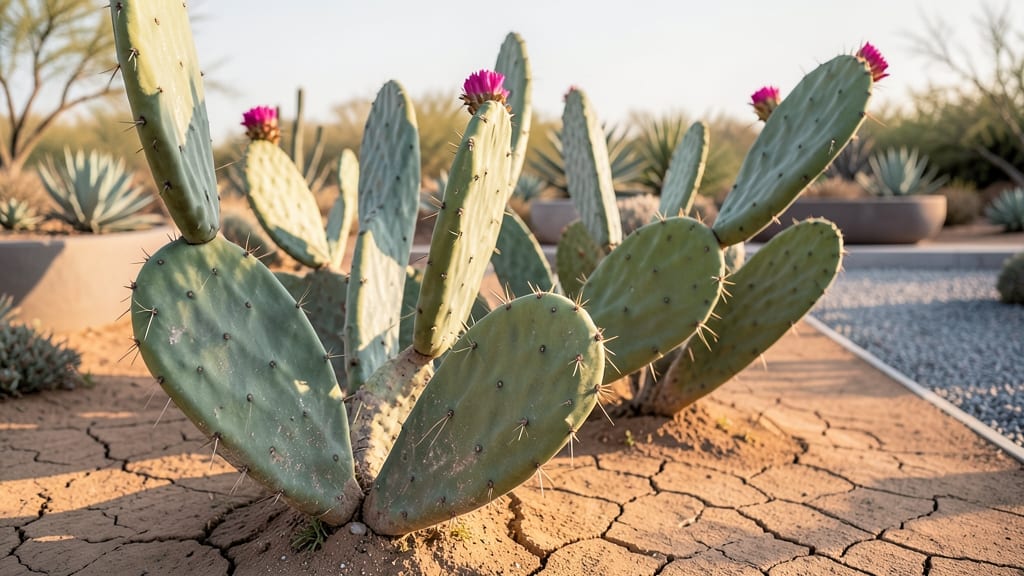
Tired of watering a thirsty lawn that still looks brown? These 10 drought-tolerant substitutes transform your yard into a lush, water-wise landscape—without sacrificing beauty or curb appeal. Perfect for eco-conscious gardeners and busy homeowners alike.
Creeping Thyme Ground Cover
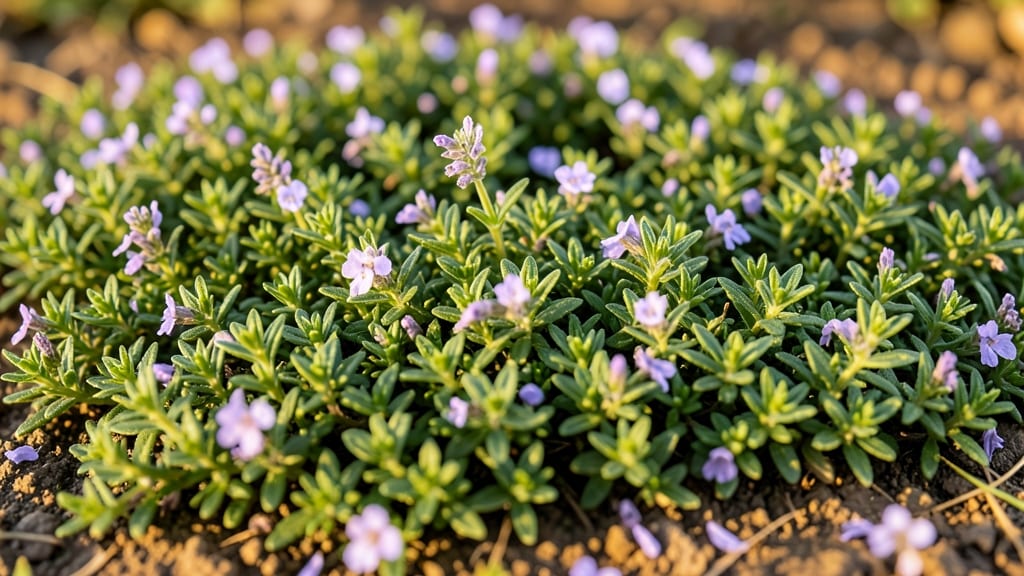
Want a fragrant, drought-proof ground cover that doubles as a culinary herb? Creeping thyme (Thymus serpyllum) delivers a soft, velvety green carpet that thrives in full sun while requiring almost no water once established. Its tiny purple flowers in late spring add pollinator appeal, and the leaves are perfect for seasoning roasted meats or soups.
This hardy perennial spreads quickly to smother weeds, handles foot traffic, and stays green through summer heat—ideal for sunny paths, slopes, or as a living mulch. Plant it in well-draining soil and water lightly until roots establish (about 4-6 weeks). Once settled, it needs only occasional rainwater. For best results, shear back after flowering to encourage denser growth.
Perfect for beginners or eco-conscious gardeners, creeping thyme transforms barren sunny spots into a low-maintenance, fragrant oasis that supports wildlife and saves water. 🌱
Sedum 'Dragon's Blood' Succulent
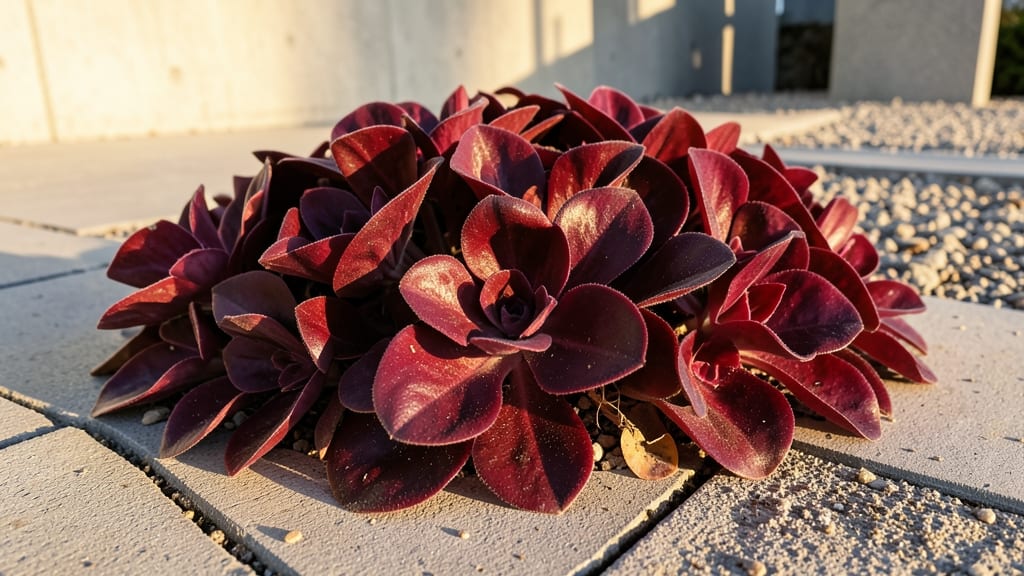
Looking for a bold, architectural plant that demands zero attention once planted? Sedum 'Dragon's Blood' delivers deep burgundy foliage that glows in sunlight, thriving in rock gardens, modern landscapes, or even cracks in pavement. Unlike traditional lawns, it stores water in its leaves, making it drought-proof after the first growing season.
This succulent handles poor, rocky soil with ease and spreads slowly to create a striking, low-maintenance ground cover. Plant it in full sun to partial shade and water lightly only during extreme drought. Its vibrant color contrasts beautifully with gray stones or silver foliage plants like lamb's ear. For best results, space plants 12-18 inches apart to allow airflow and prevent rot.
Urban gardeners and minimalist landscapers will love how Dragon's Blood sedum adds drama with almost no effort. It's the perfect choice for modern designs where you want color without the upkeep. 🌻
Buffalo Grass Native Turf
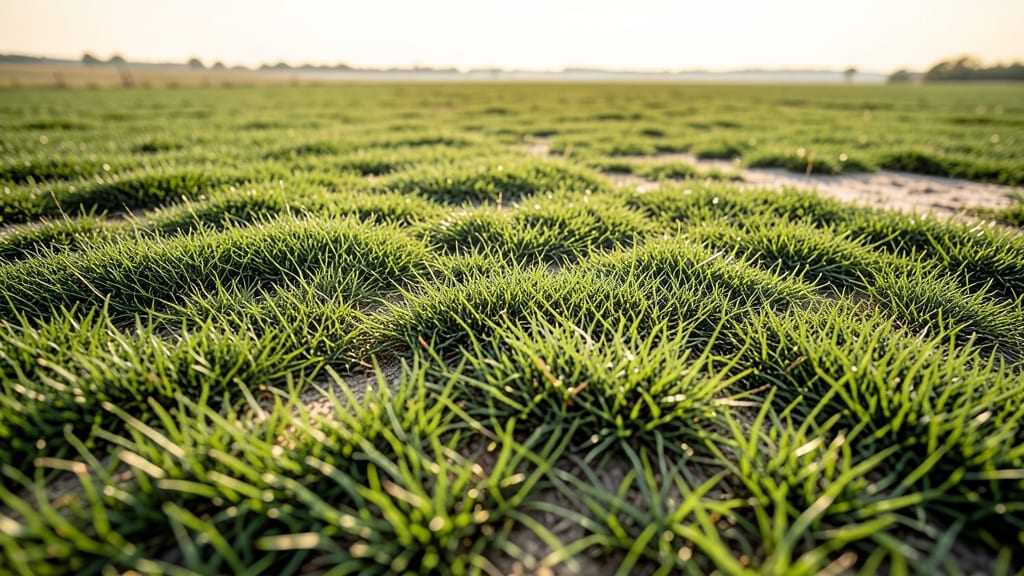
If you're ready to ditch the high-maintenance lawn but still crave a soft, grass-like surface, buffalo grass (Buchloe dactyloides) is your perfect match. This native North American grass forms a dense, low-growing mat that stays green in extreme heat and drought—ideal for replacing traditional turf in hot, dry climates like the Southwest or Great Plains.
Unlike thirsty Kentucky bluegrass, buffalo grass thrives on rainfall alone once established (after 1-2 years) and grows deep roots that prevent erosion. It handles foot traffic well, needs no mowing (just occasional trimming with a string trimmer), and supports local wildlife by providing habitat for pollinators. Plant seeds in early spring or fall for best results, and avoid overwatering—this grass is tough enough to handle dry spells.
Perfect for homeowners in arid regions or anyone tired of watering, buffalo grass delivers a low-maintenance, eco-friendly lawn that looks natural and stays green year-round. 🌻
Ice Plant 'Delosperma' Wildflowers
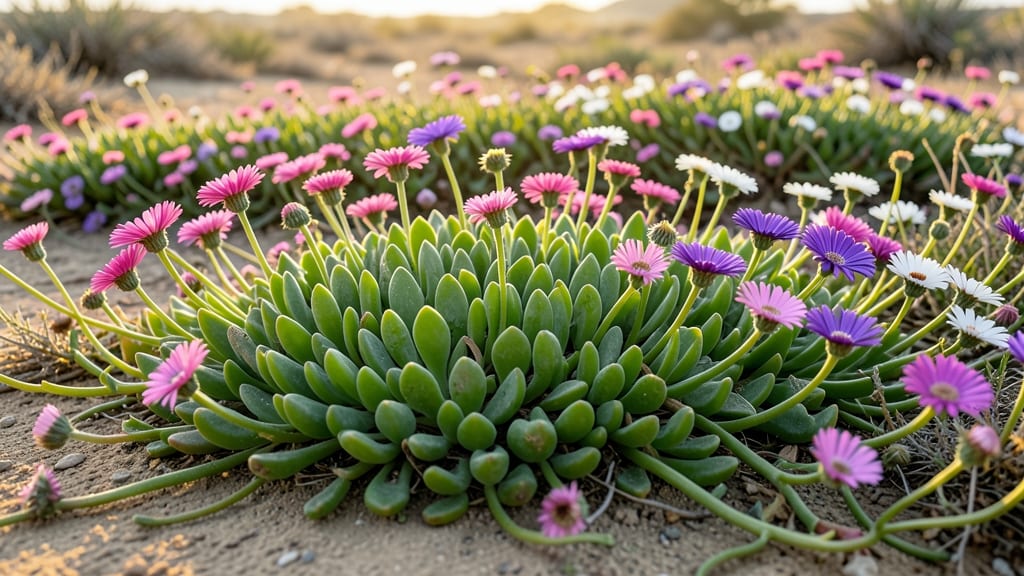
Need a year-round splash of color that thrives on neglect and spreads effortlessly? Ice Plant (Delosperma) delivers cheerful daisy-like blooms in pink, purple, and white—even in dry, sandy soil where most plants struggle. Its thick, succulent leaves store water like a built-in reservoir, making it one of nature's most drought-proof performers.
Perfect for slopes, rock gardens, or sunny borders, ice plant spreads quickly to create a wildflower meadow effect with minimal effort. Plant in full sun and water lightly until established (about 4-6 weeks), then let it fend for itself. Deadhead spent blooms to encourage more flowers, and watch it transform bare spots into a vibrant, low-water tapestry. Choose varieties like 'Fire Spinner' for fiery orange blooms or 'Ice Baby' for pure white charm.
This pollinator magnet is ideal for eco-conscious gardeners who want beauty without the water bill. It’s especially great for urban gardens, rain gardens, or even container spillers—just be prepared for its enthusiastic spreading habit! 💚
Clover 'Microclover' Mix
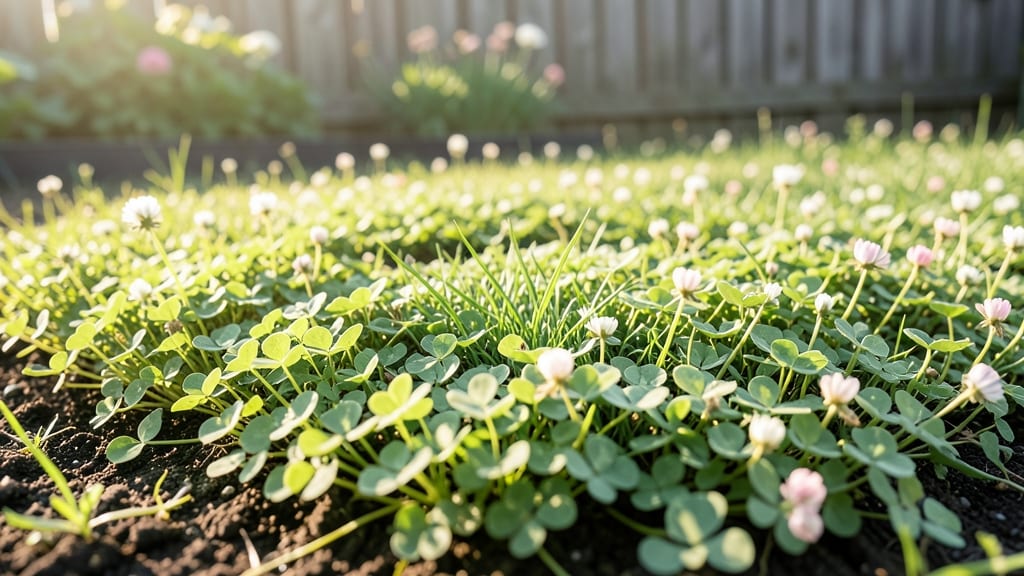
Tired of sacrificing soil health for a drought-tolerant lawn? Microclover mix is the secret weapon that fixes nitrogen while staying lush and soft underfoot—no synthetic fertilizers needed. This low-growing clover mimics grass with its fine texture and stays vibrant through dry spells, making it perfect for replacing thirsty turf in sunny to partially shaded areas.
Unlike traditional lawns, microclover thrives with minimal watering once established and produces delicate white flowers that attract bees and butterflies. It naturally suppresses weeds and improves soil structure, reducing the need for tilling or amendments. For best results, sow seeds in early spring or fall on prepared soil with light raking—no need for overseeding later. Mow occasionally to control height (keep it around 2-3 inches), and watch it transform your yard into a pollinator-friendly, low-maintenance green space.
This is the ideal choice for eco-conscious gardeners who want a living lawn that gives back to the ecosystem. It’s especially great for families with pets or kids, as the soft, resilient surface holds up to light foot traffic without turning muddy. 🌱
Lavender 'English Lavender' Borders
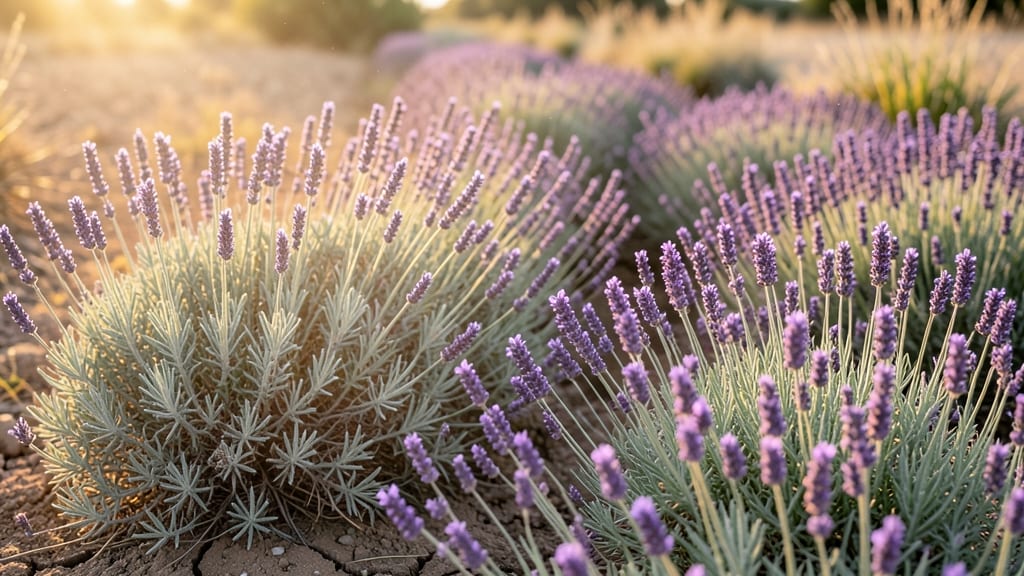
Craving a fragrant, pest-repelling border that thrives on neglect and poor soil? English lavender is your secret weapon—its silvery foliage and purple blooms create a sensory experience while keeping aphids and mosquitoes at bay. Unlike thirsty lawns, lavender thrives in full sun to partial shade and tolerates drought once established, making it perfect for borders, pathways, or even as a living mulch to suppress weeds.
Plant English lavender in well-draining soil (it hates soggy roots) and space plants 12-18 inches apart for a lush, fragrant hedge. Prune lightly after flowering to maintain shape, but avoid heavy cuts—this perennial rewards minimal care with year-round structure and a soothing scent. The best part? It deters pests naturally, reducing the need for chemicals while adding elegance to any garden.
Ideal for urban gardeners, cottage-style borders, or pollinator-friendly landscapes, English lavender turns high-maintenance spaces into a low-water, aromatic retreat. Plus, its drought tolerance makes it a top choice for water-wise yards. 🌿
Yarrow 'Achillea' Perennial
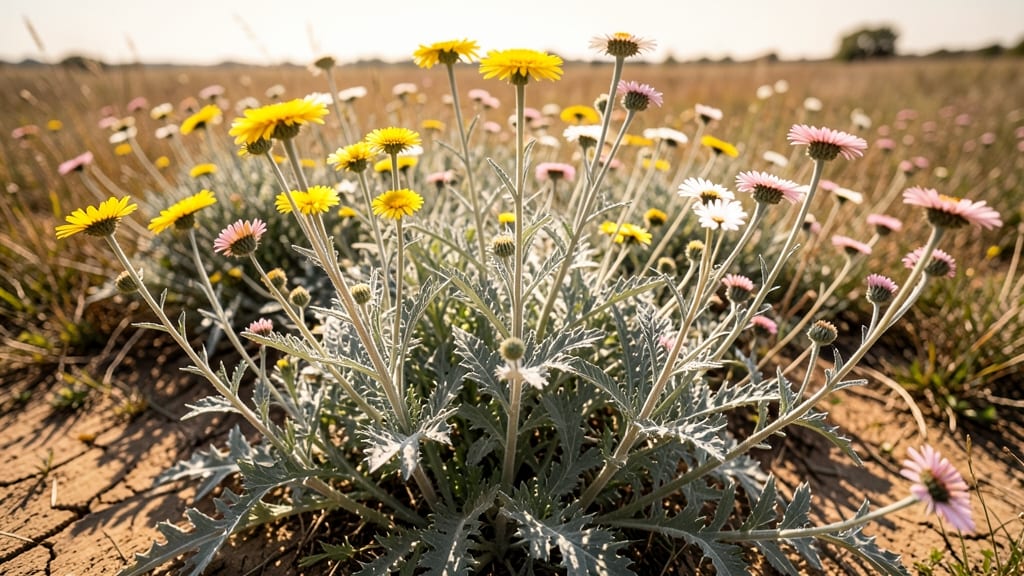
Forget the high-maintenance lawn—yarrow (Achillea) brings bold color and texture to your garden while requiring almost no water once established. This drought-proof perennial thrives in poor soil, spreads easily, and blooms from early summer through fall, making it ideal for borders, meadows, or even wildflower gardens.
Yarrow’s fern-like foliage and flat-topped flower clusters in shades of white, yellow, or pink attract pollinators while repelling deer and rabbits. Plant it in full sun to partial shade and water lightly until roots establish (about 6-8 weeks). Once settled, it needs only occasional rainwater. For long-lasting blooms, deadhead spent flowers and divide clumps every 2-3 years to prevent overcrowding.
Perfect for beginner gardeners or eco-conscious landscapers, yarrow delivers year-round interest with almost zero effort—ideal for replacing thirsty lawns in sunny areas. 🌻
Mondo Grass 'Ophiopogon' Shade Tolerant
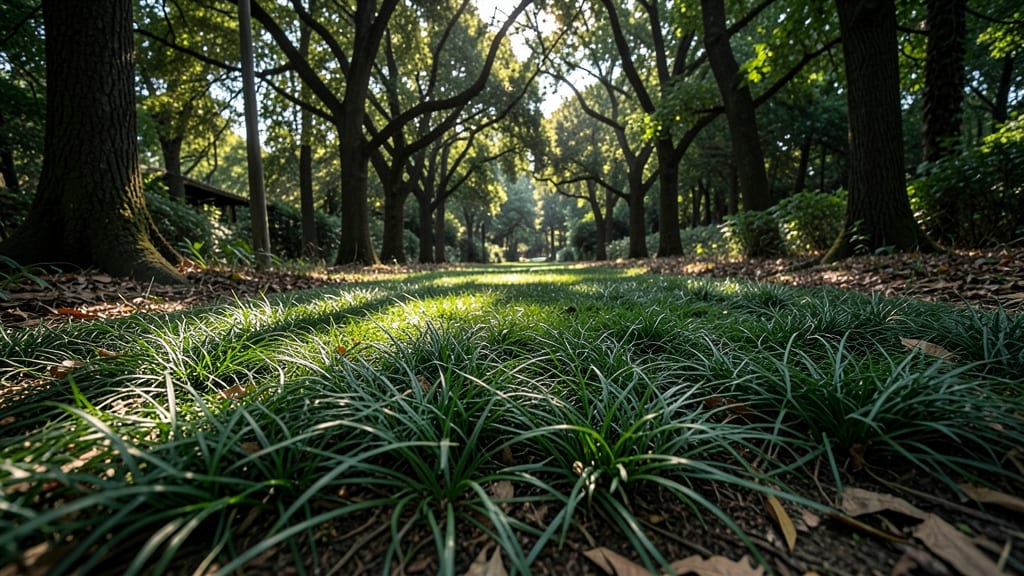
Tired of patchy grass under trees where sunlight barely reaches? Mondo grass (Ophiopogon) transforms shady yards into a velvety green carpet that thrives where traditional lawns fail. This evergreen perennial forms a dense, grass-like mat that stays lush in partial to full shade, making it perfect for replacing water-guzzling turf in woodland gardens, under decks, or along north-facing walls.
Unlike mowing-hungry lawns, mondo grass grows just 6-12 inches tall and spreads slowly to create a soft, weed-blocking ground cover. It handles occasional foot traffic and needs only moderate watering once established—ideal for busy gardeners. For best results, plant in well-draining soil and mulch with shredded leaves or bark to retain moisture. Its dark green blades provide year-round interest, while delicate white flowers in summer add subtle charm.
Perfect for shade-loving gardeners or those seeking a low-maintenance alternative to traditional lawns, mondo grass delivers beauty without the upkeep. It’s especially great for woodland gardens, patios, or container spillers where other plants struggle. 🌿
Salvia 'Autumn Sage' Drought-Proof
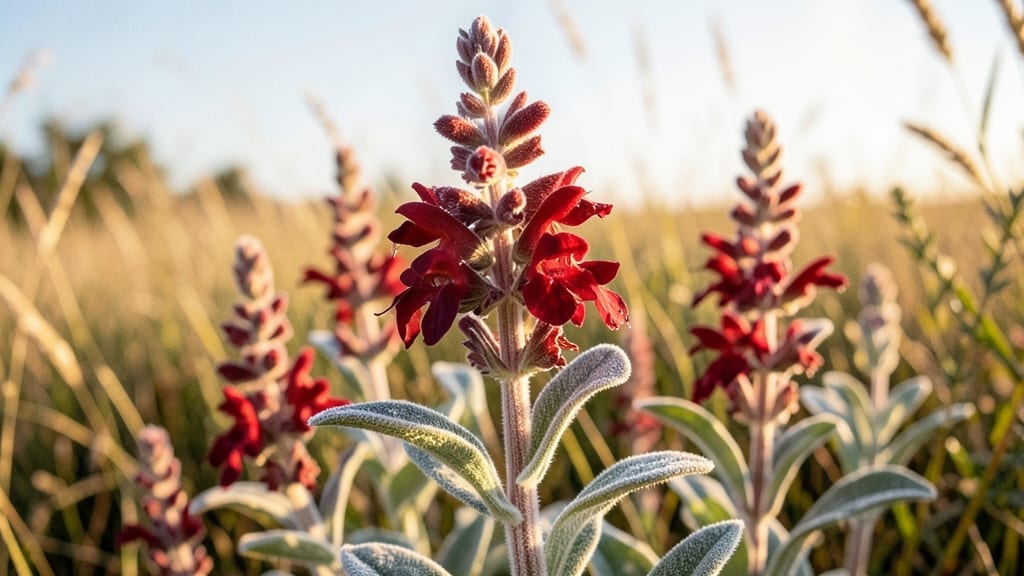
Craving a pollinator powerhouse that blooms all summer without a single drop of extra water? Salvia 'Autumn Sage' delivers vibrant red tubular flowers that hummingbirds can't resist—while its fuzzy, aromatic leaves add texture to any sunny spot. This drought-proof beauty thrives in 6+ hours of sun daily and handles heat waves like a pro, making it ideal for containers or sunny beds where water conservation is key.
Once established (after 6-8 weeks), Autumn Sage needs zero summer watering—just occasional rain. Shear back by 1/3 after flowering to encourage bushier growth, and watch it rebound with even more blooms. It pairs beautifully with lavender, yarrow, or sedum for a low-water, high-impact garden design. The key to success? Well-draining soil—this plant hates soggy roots but otherwise asks for almost nothing.
Perfect for urban balconies, rock gardens, or wildflower meadows, Autumn Sage turns neglected sunny spots into a hummingbird hotspot while saving thousands of gallons of water each year. It’s the ultimate "plant it and forget it" solution for gardeners who want color without the upkeep. 🌟
Cactus 'Prickly Pear' Ground Cover

Want a bold statement plant that turns your drought-prone yard into a modern desert oasis? Prickly pear cactus (Opuntia spp.) delivers striking, architectural pads that store water like built-in reservoirs—perfect for zero-water gardens with a sleek, contemporary edge. Unlike traditional lawns, it thrives in full sun and poor soil, making it ideal for rock gardens, pathways, or even as a living sculpture.
This hardy succulent spreads slowly to create a textured ground cover with minimal care—just plant pads 12-18 inches apart in well-draining soil and water lightly for the first month. Once established, it needs almost no maintenance, and its edible fruit (when ripe) adds a bonus harvest. For extra flair, pair it with agave or yucca for a high-impact, water-wise design. Just be mindful of its spines—wear gloves when handling!
Perfect for urban gardeners, minimalist landscapers, or desert dwellers, prickly pear transforms barren spaces into a stylish, low-water paradise that requires almost no effort. 🌻