
Lawn
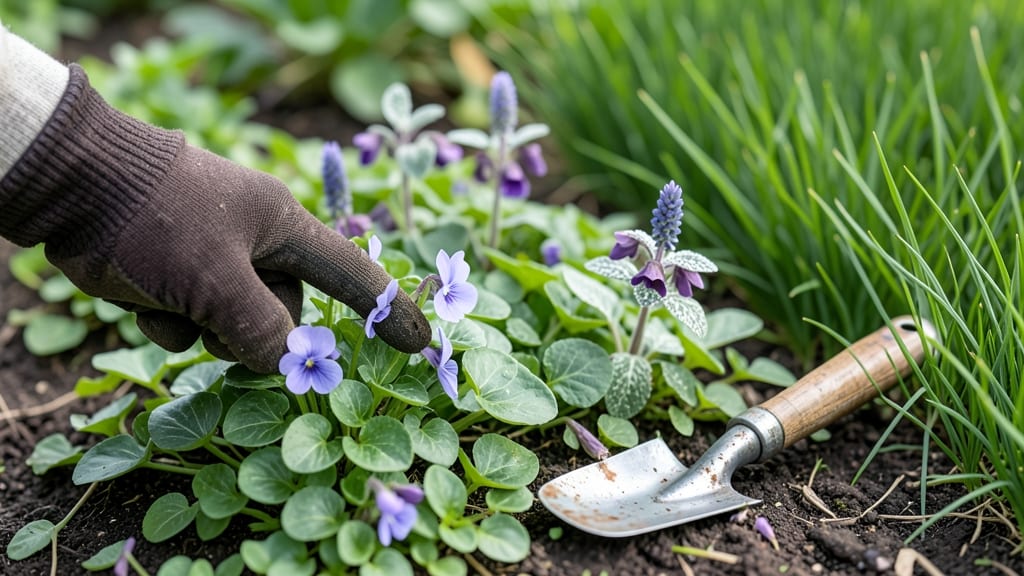
Your lawn could be a purple paradise instead of a boring green carpet—all thanks to weeds with purple flowers that turn your yard into a vibrant, low-maintenance haven. 🌿 The secret? Strategic ground covers like creeping phlox or self-heal that outperform mulch by adding color, supporting pollinators, and reducing mowing.
I swapped half my lawn for these beauties, and now my yard hums with life while looking intentional. These plants thrive in full sun or partial shade, handle foot traffic better than most grass, and spread effortlessly. You'll see blooms from spring through fall, with zero extra watering or fertilizing.
The best part? They attract bees and butterflies while keeping weeds at bay naturally. By summer, your lawn will look like a wildflower meadow—just with less upkeep. Neighbors will ask how you did it, and you'll smile knowing it's all about letting nature take the lead.
Less mowing, more beauty, and a garden that works as hard as you do. Start with clover or purple vetch for quick results, or go bold with creeping phlox for a bold purple carpet. Mix in some white or yellow flowers for contrast, and you've got a low-maintenance masterpiece.
Even in drought years, these plants stay vibrant while traditional lawns brown out.
How Purple-Blooming Weeds Invade
Those striking purple flowers dotting your lawn aren’t just a pretty sight—they’re often weeds thriving where grass struggles. Understanding why they take over is the first step to reclaiming your yard. Below, we break down the science behind their persistence, from soil conditions to seasonal triggers.
Purple-flowering weeds like henbit, violet, or creeping charlie thrive in lawns where grass is starved for nutrients. Here’s why:
- Compacted soil blocks oxygen and water, suffocating grass roots while weeds with shallow systems (like henbit) flourish.
- Low nitrogen weakens turf, making it vulnerable. Weeds like purple deadnettle exploit this by outcompeting nutrient-deficient grass.
- pH imbalances (too acidic or alkaline) prevent grass from absorbing essential minerals. Purple-flowering weeds often tolerate these extremes better.
Actionable fix: Test your soil (DIY kits cost ~$20) and amend with compost or a balanced fertilizer (10-10-10 ratio) to restore grass vigor. Aerate compacted areas in fall for long-term relief.
Weeds with purple blooms are opportunists—they seize moments when grass is dormant or recovering. Key triggers:
| Season | Weed Type | Why It Takes Over |
|---|---|---|
| Early Spring | Henbit, Violet | Cool temps slow grass growth, but these weeds germinate fast (60°F+ soil). They bloom purple before grass fills in. |
| Late Summer/Fall | Creeping Charlie, Purple Deadnettle | Heat stress weakens turf. Weeds spread via runners or seeds, filling bare spots before winter. |
| Winter | Chickweed (pink/purple flowers) | Grass dormancy leaves exposed soil. Weeds germinate in mild winters, establishing roots early. |
Actionable fix:
- 🌱 Spring: Pre-emergent herbicide (like prodiamine) in early March to block weed seeds.
- 🌿 Fall: Overseed bare patches with shade-tolerant grass (e.g., fine fescue) to outcompete weeds.
- ❄️ Winter: Apply a light layer of mulch (straw, not wood chips) to smother emerging weeds.
Overwatering or irregular watering creates the perfect conditions for purple-flowering weeds:
- Excess moisture drowns grass roots but feeds weeds like creeping charlie, which thrive in damp soil.
- Shallow watering (e.g., quick sprinkles) encourages weeds to germinate at the surface while grass roots stay deep and thirsty.
- Drought stress kills grass, leaving gaps for henbit or violet to colonize.
Actionable fix:
- 💧 Water deeply 1–1.5 inches per week (early morning) to encourage deep grass roots.
- 🌡️ Avoid soggy soil: Improve drainage with sand or gypsum if water pools.
- 🔄 Mulch mow to retain moisture and shade out weed seeds.
Skipping key lawn care steps creates openings for purple bloomers to move in:
- Thin grass (from over-fertilizing or pests) lets weeds like purple deadnettle spread unchecked.
- Unmowed height (>3.5 inches) shades soil, encouraging weed seeds to germinate.
- No dethatching lets thatch build up, trapping moisture and weed seeds at the surface.
Actionable fix:
- ✂️ Mow high (3–4 inches) to crowd out weeds and retain moisture.
- 🌿 Dethatch every 2–3 years in spring to break weed seed banks.
- 🐜 Treat pests (grubs, chinch bugs) that weaken grass, using neem oil or beneficial nematodes.
Quick Fixes for Purple Blooms
Now that you know why those vibrant purple weeds are popping up in your lawn, it’s time to tackle them—without sacrificing your grass or your sanity. The good news?
Most purple-flowered weeds (like henbit, creeping charlie, or purple deadnettle) respond well to a mix of manual removal, targeted treatments, and smart prevention. Below, we’ll break down the best solutions based on the root cause of your problem, plus pro tips to keep them from staging a comeback.
Best for: Small patches, early-stage weeds, or organic lawn care.
If your lawn is just starting to show signs of purple invaders, physical removal is your first line of defense. These weeds often have shallow roots, making them easier to uproot than you’d think.
How to do it right: 🔥 Timing is everything – Pull weeds when the soil is moist (after rain or watering) so they come out cleanly. Dry soil = broken roots = regrowth. 🍳 Grab the right tools – Use a weed puller, garden fork, or even a butter knife for stubborn clumps. For creeping charlie (a common purple offender), a dandelion digger works wonders. 👨🍳 Work in sections – Focus on one area at a time to avoid missing spots. Check for rhizomes (underground stems) in weeds like creeping charlie—snip them with scissors if you find any! 🥘 Dispose properly – Bag pulled weeds before they seed (especially in spring/fall) or compost them only if disease-free. Never leave clippings on the lawn—they’ll just regrow.
Pro Tip: 💡 Go barefoot for a minute. Walk around your lawn and feel for soft spots—these often hide hidden weed roots or thin grass where weeds thrive.
Best for: Large infestations, stubborn weeds, or when manual removal isn’t enough.
If your lawn is overrun with purple blooms, you may need a stronger approach. Here’s how to choose the right treatment:
🔥 Selective Herbicides (For Targeted Weeds)
These kill only broadleaf weeds (like purple flowers) while sparing your grass. Look for products with:
- 2,4-D (common in weed-and-feed products)
- Dicamba (great for tough weeds like creeping charlie)
- Triclopyr (works on woody stems too)
How to apply: ⏰ Wait for warm, dry weather – Apply in late spring or early fall when weeds are actively growing but before they seed. 🔪 Use a spot treatment – Spray only the weeds, not your grass, to avoid damage. A pump sprayer gives better control than a hose-end attachment. 🌡️ Reapply if needed – Some weeds (like henbit) may need 2-3 treatments spaced 2 weeks apart.
Pro Tip: ✨ Mix with dish soap (1 tsp per gallon) to help the herbicide stick to leaves and improve absorption.
🌿 Natural & Organic Options
If chemicals aren’t your thing, try these eco-friendly alternatives: - Vinegar + Salt + Dish Soap (3:1:1 ratio) – Spray directly on weeds (avoid grass).
Works best on small patches. - Corn Gluten Meal (pre-emergent) – Sprinkle before weeds sprout to block seed germination. - Boiling Water – Pour slowly on weeds in cracks or driveways (great for creeping charlie in sidewalks).
Warning: ⚠️ Vinegar and salt can harm grass—always spot-test first!
Best for: Long-term prevention and a lush, weed-resistant lawn.
The best way to keep purple flowers from returning? Make your grass so thick and healthy that weeds can’t take hold. Here’s how:
🔥 Improve Soil Health
Weeds thrive where grass is weak. Test your soil’s pH and nutrients (ideal lawn pH: 6.0–7.0). Amend with:
- Compost (for organic matter)
- Slow-release fertilizer (high in nitrogen for grass)
- Lime (if soil is too acidic)
🍳 Mow High & Smart
- Set your mower to 3–4 inches – Taller grass shades out weeds and develops deeper roots.
- Never remove more than ⅓ of the blade at once – This stresses grass and invites weeds.
- Keep mower blades sharp – Dull blades tear grass, making it vulnerable to disease (and weeds).
👨🍳 Water Deeply & Infrequently
- Water 1–1.5 inches per week (including rain) to encourage deep root growth.
- Water in the morning to reduce fungal risks.
- Avoid frequent light watering—this keeps soil moist, helping weeds germinate.
🥘 Overseed Bare Spots
Fill in thin areas with high-quality grass seed (choose a mix that matches your climate). Fall is the best time to overseed—cool temps mean faster germination and fewer weeds.
Pro Tip: 🎯 Use a lawn roller after seeding to ensure good seed-to-soil contact (and to smother any remaining weeds).
Once you’ve cleared your lawn, keep it weed-free with these habits:
✅ Apply pre-emergent herbicide in early spring (before purple weeds like henbit sprout). ✅ Dethatch if your lawn has a thick layer of thatch (over ½ inch) to improve air and water flow. ✅ Aerate compacted soil every 1–2 years to help grass roots grow deep. ✅ Pull weeds early – Don’t wait until they flower! One purple bloom = dozens of seeds. ✅ Use mulch alternatives – If you’re tired of mulch attracting weeds, try gravel, bark, or landscape fabric in garden beds.
Final Thought: Purple flowers might look pretty, but they’re lawn invaders in disguise. With the right mix of removal, treatment, and lawn care, you can reclaim your grass—and keep it that way for good.
Start with the methods that fit your lawn’s current state, and soon, those vibrant blooms will be a thing of the past! 🌿✨
Frequently asked questions
Are purple-flowered weeds always bad for my lawn?
Not necessarily! Some purple-flowering "weeds" like creeping phlox or self-heal can actually enhance your lawn. They support pollinators, reduce mowing needs, and create beautiful ground cover. The key is choosing native species that won't spread aggressively in your climate.
What's the fastest way to remove creeping charlie with purple flowers?
For stubborn creeping charlie, combine vinegar (20% acetic acid) + dish soap in a spray bottle. Apply directly to the leaves on a sunny day. For large areas, use a corn gluten pre-emergent in early spring to prevent regrowth. Always wear gloves - the sap can irritate skin!
Can I safely use herbicides around children and pets?
Most selective herbicides (like 2,4-D) are safe once dry, but always follow label instructions. For pet areas, use organic options like boiling water for sidewalk cracks or corn gluten meal. Wait 48 hours after treatment before letting pets back on the lawn.
How do I prevent purple flowers from returning next year?
Focus on lawn thickening: Overseed bare spots in fall with fine fescue, mow at 3-4 inches, and water deeply 1-1.5 inches per week. Apply pre-emergent herbicide in early spring to block weed seeds. Aerate compacted soil annually for long-term prevention.
Are there any purple-flowering plants that actually help my lawn?
Consider white clover (with purple-tinged leaves) or purple vetch - both fix nitrogen in the soil while resisting compaction. These plants improve turf density naturally and handle foot traffic better than grass alone. They're perfect for shady areas where grass struggles.