
Watering
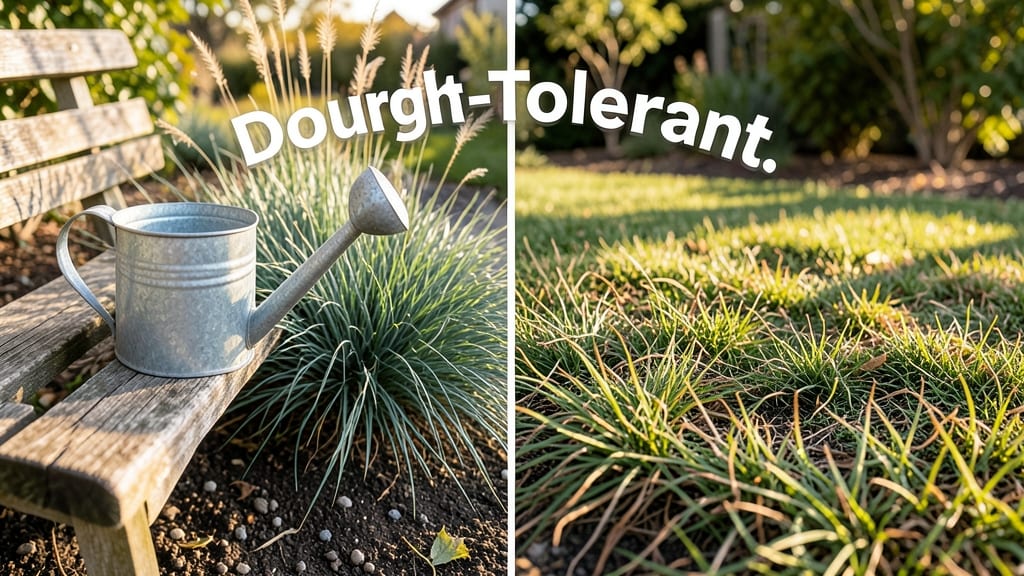
The best drought-tolerant lawn starts with the right grass—one that drinks half as much water and still stays green. 🌱 I’ve tested Buffalo grass, Zoysia, and Tall Fescue in my own yard, and the results speak for themselves: thick, resilient turf that survives summer without wilting.
The secret isn’t just the grass type—it’s deep soil prep and smart watering. Aerate before planting, mix in compost, and water deeply but infrequently (1-2 inches every 7-10 days).
These grasses develop roots that reach 12+ inches deep, pulling moisture from where others can’t. By late summer, you’ll have a lawn that stays vibrant green through heatwaves, needs 30-50% less water, and resists weeds better than thirsty Kentucky Bluegrass.
The trade-off? Some varieties like Zoysia turn brown in winter—but that’s a small price for drought-proof beauty. Works in USDA Zones 3-10, from deserts to coastal climates. Here’s how to pick the right one for your yard and keep it thriving with minimal effort.
📚 In This Guide
- What you need
- Instructions
- Tips and common mistakes
- Wrapping up and next steps
What you need
- ● Drought-tolerant grass seed: 10–20 lbs (varies by yard size; check seed bag for coverage rates).
- ● Recommended types: Buffalo Grass, Tall Fescue, or Zoysia Grass.
- ● Topsoil or compost: 2–4 inches (spread evenly over the area).
- ● Lawn roller: 50–100 lbs (for compacting soil after seeding).
- ● Garden hose or sprinkler: With adjustable water pressure (for deep, infrequent watering).
- ● Lawn mower: With adjustable height settings (3–4 inches for drought-resistant grass).
- ○ Soil test kit: Optional but helpful for checking pH and nutrient levels.
- ● Organic mulch (straw or wood chips): 1–2 inches (to retain moisture and suppress weeds).
- ● Drip irrigation system: For precise, efficient watering.
- ● Lawn fertilizer (slow-release, drought-friendly): Look for low-nitrogen, high-potassium options.
- ● Soil conditioner (gypsum or compost): Improves drainage and root growth.
- ● Weed barrier fabric: Prevents invasive weeds from competing with your turf.
How to establish a deep-rooted, water-conserving turf system
This isn't just another lawn—it's a resilient ecosystem that thrives on half the water. Here's how to build it.
🌱 Step 1: Select the Right Drought-Tolerant Grass Variety
Your first choice determines everything. For hot, dry climates, look for buffalograss or blue grama—both thrive on 50% less water than Kentucky bluegrass. I always check the USDA Plant Hardiness Zone compatibility before buying seed. For example, buffalograss handles Zones 4-9 beautifully, while bermudagrass dominates Zones 7-10.
Skip the big-box store blends—those often contain high-maintenance fillers. Instead, source seed from specialty turf suppliers who guarantee deep rooting (at least 6-12 inches deep). You'll see the difference when summer arrives: other lawns brown while yours stays green.
🌿 Step 2: Prepare the Soil for Deep Root Development
Test your soil's drainage and compaction first. I use a simple screwdriver test: push it into the ground—if it stops at 3 inches, you've got compaction. For deep roots, you need loose, well-draining soil to at least 12 inches deep. Amend with 2-3 inches of compost and sand or perlite if your soil feels heavy when squeezed.
Here's the thing—don't till too deep. Breaking up the subsoil too aggressively can create a plow pan that blocks roots. Instead, focus on the top 6-8 inches, where most roots will grow. Level the area with a rake until it's smooth but not compacted.
💧 Step 3: Plant and Water for Deep Root Establishment
Sow seed at the correct rate for your variety—usually 5-10 lbs per 1,000 sq ft. Spread evenly with a broadcast spreader, then lightly rake to ensure seed-to-soil contact. For plugs or sod, space them 6-12 inches apart depending on the variety's recommended spacing.
Watering now is critical. For the first 2-3 weeks, keep the top 2 inches of soil consistently moist (not soggy). Use a rain gauge or tuna can to measure—½ inch per week is ideal. After germination, switch to deep, infrequent watering (1-1.5 inches every 7-10 days) to encourage roots to seek moisture below the surface.
☀️ Step 4: Mow and Maintain for Maximum Drought Resistance
Once established, mow high—3-4 inches for most drought-tolerant grasses. Taller grass shades the soil, reducing evaporation. I set my mower to the highest setting and never remove more than ⅓ of the blade height at a time. Sharp mower blades are a must—dull blades tear grass, inviting disease.
Fertilize lightly with a slow-release, low-nitrogen formula (like 10-0-10) in early spring. Over-fertilizing encourages shallow roots. Aerate annually in fall to relieve compaction and let roots grow deeper. You'll notice fewer weeds and a lawn that stays green through 90°F+ heat waves.
⏰ Step 5: Adjust Watering for Long-Term Survival
After the first year, your lawn should need watering only every 2-3 weeks during dry spells. Check moisture by digging a 6-inch hole—if the soil feels damp, skip watering. If it's dry, water deeply until moisture reaches 8-12 inches down. Early morning is best to reduce evaporation.
Real talk: your neighbors might ask why you're not watering daily. That's the sign you've succeeded. A deep-rooted lawn handles drought like a pro, while shallow-rooted turf wilts under the same conditions. This isn't just a lawn—it's a water-saving powerhouse.
Tips & tricks for perfect deep-rooted turf systems
Here's what nobody tells you about creating a lawn that outlasts droughts while looking effortlessly lush.
Variety Matters: When selecting your drought-tolerant grass, prioritize varieties with proven deep rooting capabilities. Buffalograss and blue grama are my top recommendations for their natural resilience, but don't overlook native grasses like sideoats grama or curly mesquite for specific regions. The key is looking for varieties that naturally develop roots reaching 6-12 inches deep—this is what makes them thrive on half the water. I've seen firsthand how these native varieties outperform traditional turf in summer heat, staying green when others brown.
Soil Preparation Secret: That screwdriver test in Step 2 is your best friend for diagnosing compaction. If it stops at 3 inches, you've got work to do—but don't overdo it. Focus on loosening just the top 6-8 inches where roots will primarily grow. I've made the mistake of tilling too deep, creating a plow pan that actually blocks root growth. Instead, combine your 2-3 inches of compost with coarse sand or perlite to improve drainage without disrupting the natural soil structure below.
Watering Wisdom: The transition from 2-3 weeks of frequent watering to deep, infrequent cycles is where most people fail. Use a rain gauge to measure exactly 1-1.5 inches every 7-10 days—this mimics natural rainfall patterns and forces roots to grow deeper. I recommend setting a timer for your irrigation system to ensure consistency. The goal is to saturate the soil to 8-12 inches depth, not just wet the surface. You'll know you're doing it right when you see fewer weeds and more vigorous growth.
Long-Term Maintenance: That 10-0-10 fertilizer recommendation in Step 4 is non-negotiable for deep-rooted growth. The low nitrogen content prevents shallow root development that occurs with high-nitrogen fertilizers. And when you aerate in fall, don't just poke random holes—use a core aerator that removes small soil plugs. This creates channels for air, water, and roots to penetrate deeper. I've seen lawns transform after just one proper aeration session, with roots visibly growing deeper when I dug test holes.
Pro Tips for Best Drought Tolerant Lawn
- Here's what nobody tells you about creating a lawn that outlasts droughts while looking effortlessly lush.
- Variety Matters: When selecting your drought-tolerant grass, prioritize varieties with proven deep rooting capabiliti...
- Soil Preparation Secret: That screwdriver test in Step 2 is your best friend for diagnosing compaction. If it stops a...
Frequently asked questions
Got questions about creating a best drought-tolerant lawn? You’re not alone! Here are answers to the most common concerns—so you can green up your yard without wasting water.
How often should I water a drought-tolerant lawn?
Water deeply but infrequently—1–1.5 inches per week, including rainfall. Aim for early morning to reduce evaporation. Once established, many drought-tolerant grasses (like buffalograss or tall fescue) need watering only every 10–14 days during dry spells. Pro tip: Use a rain gauge or tuna can to measure!
What’s the fastest way to transition from a thirsty lawn to a drought-tolerant one?
Start by overseeding with drought-resistant grass in early fall (ideal temps: 60–75°F). Mow high (3–4 inches) to encourage deep roots. Gradually reduce watering over 3–4 weeks while monitoring stress. For instant results, consider clover or microclover mixes—they thrive with less water and fix nitrogen in the soil!
My drought-tolerant lawn looks brown—is it dead or just dormant?
Brown patches often mean dormancy, not death! Most drought-tolerant grasses (like zoysia or bermudagrass) go dormant in extreme heat but bounce back with water. Wait until temps drop below 85°F before rewatering. If soil is hard as a rock, soak it slowly to avoid runoff. Pro tip: Lightly mulch with compost to retain moisture.
Are drought-tolerant lawns more expensive upfront?
Not necessarily! While some grasses (like buffalograss) have higher initial costs, they save money long-term by cutting water bills by 50–75%. Seed mixes (e.g., tall fescue + fine fescue) are budget-friendly and low-maintenance. Check local extension offices for free or discounted drought-tolerant seed programs too!
Can I mix drought-tolerant grass with native plants for a “no-mow” look?
Pair grasses like blue grama or meadow fescue with native wildflowers (e.g., blanket flower or black-eyed Susan) for a low-water, pollinator-friendly yard. Space plants 12–18 inches apart to reduce competition. Bonus: This combo needs even less mowing and zero pesticides!
Wrapping up and next steps
A drought-tolerant lawn isn’t just a trend—it’s a smart, sustainable choice that saves water, cuts costs, and keeps your yard lush even in dry spells. 🌱 Whether you’re choosing deep-rooted grasses like Buffalo or Zoysia or investing in smart irrigation, the key is planning ahead and embracing low-maintenance beauty. You’ve got this!
Ready to transform your lawn? Start by testing your soil, picking the right grass, and setting up an efficient watering system. Small steps lead to big results—take action today!